In today’s fast-paced business world, effective communication is more than just a skill—it’s a critical tool for leadership, negotiation, and relationship building. Mastering the art of communication demands a deep understanding of its nuances, from the clarity of your message to your ability to listen and empathize with others. This chapter will explore the pillars of effective communication, offering tools and strategies to enhance your ability to engage, inspire, and influence those around you. Whether you’re addressing your team, negotiating with clients, or presenting to stakeholders, the principles outlined in this guide will help you convey your vision with confidence and clarity.
In the complex web of interactions that define the modern business landscape, one element stands as the linchpin of success — communication. Regardless of the industry, the intricacies of business operations, or the grandeur of strategic visions, it is the ability to convey ideas and collaborate effectively that distinguishes leaders. This blog post is designed to serve as a comprehensive resource for business professionals and aspiring leaders who seek to sharpen their communication skills and elevate their impact in the corporate world. Here, we’ll explore strategies, insights, and actionable steps that will help you harness the power of communication in guiding teams, fostering innovation, and achieving organizational goals.
Understanding the Basics of Effective Communication
Effective communication in the business environment starts with the fundamentals: clarity, conciseness, and coherence. Clarity ensures your message is understood precisely as intended, eliminating ambiguities that could lead to confusion or misinterpretation. Achieving clarity often involves choosing the right words and constructing sentences that directly convey your intended message without overcomplication. Conciseness is about expressing your ideas succinctly, respecting the recipient’s time and attention span. It involves being direct and to the point, without sacrificing the completeness of the message. Coherence ties your thoughts and points together in a logical order, making your communication more persuasive and easier to follow. Each of these elements plays a crucial role in ensuring that your message not only reaches the audience but is also absorbed and acted upon effectively.
To begin our exploration, it’s crucial to establish a solid foundation on what constitutes effective communication. At its core, this skill involves the art of transferring meaning from one individual or group to another. However, the process is often complex and multifaceted. Effective communication comprises various elements, such as:
- Active Listening: At the heart of effective communication is the ability to not just hear, but actively listen to others. Active listening involves fully concentrating on what is being said rather than just passively ‘hearing’ the message of the speaker. It includes giving full attention to the speaker, understanding their message, responding appropriately, and remembering the information conveyed. This requires patience, openness, and the ability to withhold judgment and responses until the speaker has finished. Active listening strengthens mutual respect and understanding, creating a productive environment for sharing ideas and resolving conflicts.
- Clear Messaging: To communicate effectively, the clarity of the message is paramount. This involves not only the words chosen but also the structure and delivery of the message. It’s critical to be precise and clear, avoiding jargon and complex language that might confuse the audience. Clear messaging helps in ensuring that the intended message is conveyed without misunderstanding, thereby minimizing errors and enhancing efficiency in business operations. Preparing in advance, knowing your audience, and tailoring your message to their level of understanding and interests can significantly improve the clarity of your communication.
- Feedback Mechanisms : Feedback is a crucial element in any communication process. It allows for the confirmation of understanding, provides additional information, and enables adjustments to be made when necessary. Feedback mechanisms can take various forms, such as asking questions, paraphrasing what was said, or using nonverbal cues to show comprehension. When giving feedback, it’s essential to remain respectful and constructive, focusing on
Incorporating effective feedback mechanisms is another integral element of successful communication. Feedback serves as a critical loop in the communication process, allowing for adjustments, clarifications, and enhancements to be made in real time. It also empowers the receiver to ask questions, express concerns, or offer their own insights, fostering a two-way dialogue that enriches the communication experience for all involved. Implementing structured feedback channels, whether through regular meetings, surveys, or open-door policies, ensures that communication remains dynamic and responsive to the needs of the team and the objectives of the organization. By valuing and acting upon feedback, leaders underscore their commitment to continual improvement and signal the importance of every team member’s voice in the collaborative process.
In addition to understanding and leveraging the fundamental elements of effective communication, emotional intelligence plays a pivotal role in enhancing your communication skills. Emotional Intelligence (EI) is the ability to recognize, understand, and manage one’s own emotions, as well as the emotions of others. In the realm of business leadership, EI is invaluable for several reasons. Firstly, it allows leaders to create connections with their team members on a deeper level, fostering a sense of trust and openness. When leaders demonstrate empathy and genuine concern for their employees’ well-being, it not only boosts morale but also increases motivation and productivity. Secondly, EI is critical in conflict resolution—a skill every leader must master. Being able to approach conflicts with a calm, empathetic, and objective stance can lead to solutions that are beneficial for all parties involved.
Furthermore, mastering non-verbal communication techniques is essential. Non-verbal cues such as body language, facial expressions, and even silence, can speak volumes. Being aware of your own non-verbal signals and learning to read those of others can significantly improve your interpersonal interactions. This includes maintaining eye contact to show engagement, using gestures to emphasize points, and recognizing when someone’s body language indicates discomfort or disagreement. By fine-tuning your non-verbal communication skills, you can complement what you say with how you say it, reinforcing your message and the perception of your leadership.
To truly excel in business communication, one must continuously reflect on and adapt these skills to the diverse and dynamic challenges of the business world. This chapter aims to provide you with the insights and tools necessary to develop and refine your communication abilities, ensuring they remain effective across different contexts and audience needs.
Equipped with these foundational principles, leaders can begin to craft impactful messages that resonate with their intended recipients.
Tailoring Your Communication Style to Your Audience
Understanding your audience is an indispensable step towards effective communication. The ability to adjust your style, tone, and content according to the audience’s preferences and needs can dramatically increase the impact of your message. Knowing whether to adopt a formal or informal tone, for example, depends on the understanding of your audience’s expectations and the context in which the communication takes place. Additionally, recognizing the diversity within your audience — including cultural backgrounds, levels of expertise, and personality types — allows for more inclusive and accessible communication strategies. Leaders who excel in tailoring their communication to their audience are not only better understood but are also more successful in motivating their teams, persuading stakeholders, and building lasting relationships. This adaptability not only reflects respect for the audience’s perspective but also demonstrates empathy, a crucial trait for effective communication.
Communication is not one-size-fits-all. Just as a tailor adjusts the fit of clothes to suit different body shapes, leaders must adapt their communication style to align with the diversity of personalities and roles within their organization. This may involve:
- Identifying different communication styles, such as formal, informal, assertive, and emotive.
- Understanding the context of your interaction, whether it’s a one-on-one performance review or a lively team brainstorming session.
- Navigating the nuances of individual preferences, recognizing that what works with one team member may not resonate with another.
Leveraging technology to enhance communication. In today’s digital age, leveraging technology is a must for effective communication. From simple email correspondences to complex video conferencing tools, technology can facilitate more efficient and effective exchanges of information. It’s crucial for leaders to be proficient with these technologies, not only to reach their audience more effectively but also to model modern communication practices for their teams. Incorporating multimedia elements—such as videos, infographics, and slideshows—into presentations can also help in capturing the audience’s attention and in making complex information more digestible. However, it’s important to use technology judiciously; relying too heavily on digital forms of communication can sometimes depersonalize interactions. Balancing technology use with personal touch points, such as face-to-face meetings and personal calls, ensures that the human element of communication is not lost.


The Role of Non-Verbal Communication
Non-verbal communication plays a critical role in conveying thoughts, intentions, and emotions, often speaking louder than words. This type of communication includes body language, facial expressions, posture, eye contact, and tone of voice. While the words we choose are essential, the non-verbal cues we exhibit can enhance or undermine our message. For instance, maintaining eye contact can demonstrate confidence and sincerity, while crossed arms may be perceived as defensive or closed off.
Additionally, the tone of voice can significantly affect how a message is received. A friendly, positive tone can make the content more engaging, while a monotone delivery may come across as disinterested or insincere. Understanding and harnessing the power of non-verbal communication can lead to more effective and impactful interactions, allowing leaders to communicate more comprehensively and authentically.
Non-verbal cues make up a significant portion of our overall communication, often conveying information that words alone cannot. Body language, tone of voice, and facial expressions can either reinforce or contradict the spoken message. To enhance your non-verbal communication:
- Adopt an open posture, maintain eye contact, and manage your gestures to portray confidence and openness.
- Be mindful of your tone, pitch, and pace of speech, ensuring they support the intended emotional content of your message.
- Pay attention to the non-verbal cues of others, as they can provide valuable insights into their thoughts and feelings.
Practicing active listening is another vital component of non-verbal communication that leaders should not overlook. Active listening involves fully concentrating on what is being said rather than passively hearing the speaker’s words. This means being present and engaged, providing feedback through affirmative gestures like nodding, and reflecting back what has been heard to ensure understanding and demonstrate empathy. By honing active listening skills, leaders can foster a culture of mutual respect and understanding, encouraging open dialogue and deeper connections within their teams. This approach not only aids in resolving conflicts more effectively but also in brainstorming sessions where diverse ideas are shared and celebrated.
By sharpening your non-verbal communication skills, you can achieve a more coherent and compelling interaction with your audience.
Overcoming Effective Communication Barriers
In any organizational setting, communication barriers can significantly impede the flow of information and negatively impact team cohesion and effectiveness. Identifying and addressing these barriers is crucial for leaders aiming to maintain a productive dialogue within their teams. Common communication barriers include language differences, cultural diversity, emotional biases, and physical separation. By adopting strategies such as using clear and simple language, fostering an inclusive culture that values diverse perspectives, being aware of and managing emotional responses, and leveraging technology to bridge physical gaps, leaders can overcome these challenges. Additionally, encouraging open lines of communication and providing training on effective communication practices can further mitigate these barriers. Recognizing and proactively addressing communication obstacles not only facilitates smoother exchanges but also enhances team harmony and collaboration.
In the cacophony of the corporate world, various obstacles can impede the flow of effective communication. Barriers such as language differences, physical separation of team members, or hierarchical structures can lead to misinterpretations and inefficiencies. Strategies for overcoming these obstacles include:
- Fostering a culture of open communication, where all team members feel valued and are encouraged to express their thoughts and concerns.
- Implementing tools and best practices that facilitate clear and timely communication, especially in the case of remote or distributed teams.
- Recognizing the influence of personal biases and preconceptions on communication and working to mitigate their impact through self-awareness and active self-correction.
Effective communication also necessitates a commitment to continuous learning and adaptation. In a rapidly evolving world, the mediums and modalities of communication are constantly changing, and staying abreast of these changes is key to effective leadership. This means not only keeping up with new technologies and platforms for communication but also understanding the changing preferences and expectations of diverse audiences, including employees, customers, and stakeholders. Leaders must therefore be agile learners, open to feedback, and willing to adjust their communication strategies as needed. By prioritizing this adaptability, leaders can ensure that their communication is not only effective but also relevant and resonant across various contexts. Engaging in regular training sessions, workshops, and forums on communication skills can further enhance a leader’s capability to connect authentically and effectively with their audience.
Transforming these barriers into opportunities for learning and growth is instrumental in establishing a thriving communication ecosystem within your organization.
Enhancing Team Collaboration Through Effective Communication
Successful team collaboration hinges on the foundation of effective communication. The ability to share ideas, provide feedback, and work towards common goals in a cohesive manner is paramount in today’s fast-paced work environments. To enhance team collaboration, leaders must foster an atmosphere of trust where each member feels valued and heard. This involves:
- Creating a Safe Space for Dialogue: Encourage open and honest communication by establishing guidelines that promote respect and understanding among team members. This safe space empowers individuals to express their ideas and concerns without fear of judgment, leading to more innovative and creative solutions.
- Setting Clear Objectives and Expectations: Clear communication of goals, roles, and responsibilities helps avoid confusion and aligns the team’s efforts. Regular updates and check-ins can also provide opportunities for redirecting efforts as needed, ensuring that everyone remains on the same path towards achieving shared objectives.
- Promoting Collaboration Tools and Technologies: Utilize collaborative technologies such as project management software, chat applications, and cloud-sharing platforms to keep team members connected and in sync. These tools can enhance communication efficiency, making it easier for teams to collaborate in real-time, regardless of geographical locations.
- Encouraging Diverse Perspectives: Create an environment where different viewpoints are not only accepted but encouraged. Diversity in problem-solving and decision-making processes can lead to more comprehensive and effective strategies.
- Providing Constructive Feedback: Constructive feedback is a critical component of team growth and improvement. Leaders should model how to give and receive feedback in a way that is beneficial and aimed at improving performance and processes, not just critiquing them.
By implementing these strategies, leaders can significantly improve communication within their teams, leading to enhanced collaboration, increased productivity, and a more positive workplace culture. Effective team communication not only bridges gaps but also fosters a sense of community and belonging among team members, driving them towards shared success.
Leveraging Digital Communication Tools
In the digital age, the importance of integrating technology into communication strategies cannot be overstated. Digital tools such as email, instant messaging, video conferencing, and social media platforms have transformed the way organizations communicate internally and externally. These tools offer the advantage of making communication instant, accessible, and often asynchronous, allowing for more flexible interaction across different time zones and geographical locations. To effectively leverage digital communication tools, leaders should:
- Choose the right platform for the message. For instance, email may be appropriate for formal communications, while instant messaging can facilitate quicker, less formal interaction.
- Be mindful of digital etiquette, including response times, tone, and the appropriateness of the content for the platform.
- Use technology to enhance, not replace, human interaction. While digital tools can provide efficiency and convenience, they should not eliminate the need for face-to-face communication, which remains critical for building strong relationships.
Ensuring cyber security is another crucial aspect when leveraging digital communication tools. In an era where cyber threats are increasingly prevalent, protecting sensitive information and communications becomes paramount. Leaders must prioritize the implementation of robust cybersecurity measures, such as encryption, secure passwords, and regular updates to defense protocols, to safeguard their digital channels. Additionally, educating team members about the importance of cybersecurity and how to recognize potential threats is essential. By establishing a culture of security awareness, organizations can minimize the risk of breaches and maintain the integrity and confidentiality of their communications. These proactive steps not only protect the organization’s assets but also build trust among team members, stakeholders, and clients, reinforcing the reliability and professionalism of the communication ecosystem.
Capitalizing on the versatility of digital tools also means ensuring that your team has the necessary skills to use them effectively. Ongoing training and support can help employees stay current with the latest communication technologies and platforms, reducing frustration and improving productivity. Furthermore, establishing best practices for digital communication can help maintain professionalism and clarity, regardless of the medium. This includes developing guidelines for email communication, virtual meeting conduct, and the use of shared collaborative spaces. By thoughtfully integrating digital tools into communication strategies, leaders can foster a more dynamic, inclusive, and efficient work environment.
By strategically incorporating digital communication tools into their repertoire, leaders can enhance operational efficiency, foster a more connected organizational culture, and adapt to the evolving landscape of business communication.

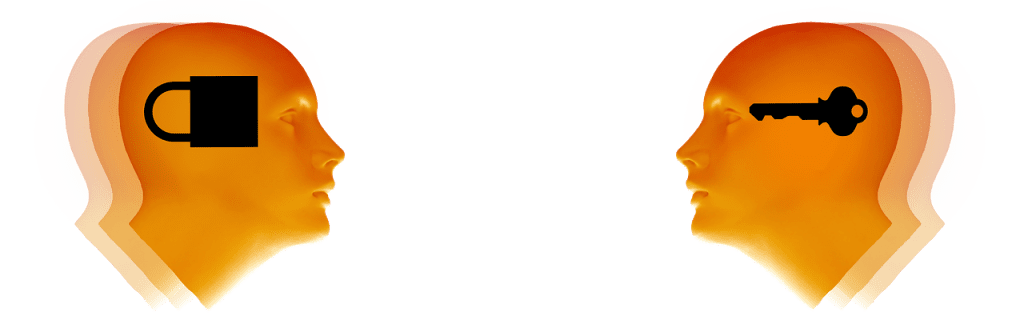
The Power of Empathy in Effective Communication
Empathy stands at the heart of effective communication, serving as the bridge that connects diverse perspectives and fosters a deep sense of understanding and respect. When leaders exercise empathy, they are better equipped to appreciate the feelings and viewpoints of their team members, leading to more meaningful and constructive interactions. This ability to put oneself in another’s shoes enhances the caliber of dialogues, promoting a culture of inclusivity and collaboration. Furthermore, empathetic communication helps in mitigating conflicts, as it encourages listening actively and responding with sensitivity to the emotional state and needs of the individual. By prioritizing empathy in their communication strategy, leaders can not only improve their interpersonal relationships but also significantly boost team morale and loyalty. Cultivating empathy requires:
- Actively listening to others without judgment and acknowledging their feelings and perspectives.
- Demonstrating genuine concern and interest in the well-being of team members.
- Responding appropriately to both the verbal and non-verbal cues of others, ensuring that responses are not only relevant but also considerate of the emotional context.
Adopting a holistic approach to empathetic communication also means being aware of cultural sensitivities and differences within the team. In a globalized work environment, leaders encounter a diverse array of backgrounds and perspectives, making cross-cultural competence an essential skill for effective communication. This involves understanding and respecting cultural norms and preferences, and adapting communication styles accordingly to avoid misunderstandings and foster mutual respect. By being mindful of these nuances, leaders can better connect with team members from various cultural backgrounds, creating a more inclusive and harmonious workplace. In addition, integrating empathy into communication practices requires an ongoing effort to develop and refine one’s emotional intelligence. This not only aids in understanding and relating to others on a deeper level but also in managing one’s own reactions and emotions in a professional and constructive manner. Through deliberate practice and reflection, leaders can enhance their empathetic communication skills, contributing to stronger, more resilient teams capable of navigating the complexities of today’s work environment.
Building Trust Through Transparency
Trust is the foundation of any strong relationship, and this is particularly true within organizational contexts. Transparent communication is one of the most effective ways to build this trust among team members and between leadership and staff. When leaders openly share information about decisions, challenges, and the company’s direction, it creates an environment of mutual respect and confidence. Transparency in communication encourages honesty and openness from all members of the organization, leading to a more cohesive and supportive team dynamic. To foster a culture of transparency, leaders should:
- Regularly update their team on both successes and setbacks, providing context and framing challenges as opportunities for collective problem-solving.
- Encourage feedback and dialogue from all levels of the organization, establishing multiple channels for sharing ideas and concerns.
- Practice consistency in messages, ensuring that what is communicated aligns with the actions and values of the organization.
Creating a transparent communication environment requires intentional effort and consistency. By committing to open and honest exchanges, leaders can cultivate a trustworthy and empowering workplace, where every member feels valued and motivated to contribute their best work.
Incorporating empathy into daily communications magnifies a leader’s ability to connect, influence, and inspire, making it a pivotal skill in the arsenal of effective leadership.
Empathy is the ability to understand and share the feelings of another; in the realm of business communication, it is a key element of building trust and collaboration. Leaders who demonstrate empathy:
Building Trust Through Transparency
Trust is the foundation of any strong relationship, and this is particularly true within organizational contexts. Transparent communication is one of the most effective ways to build this trust among team members and between leadership and staff. When leaders openly share information about decisions, challenges, and the company’s direction, it creates an environment of mutual respect and confidence. Transparency in communication encourages honesty and openness from all members of the organization, leading to a more cohesive and supportive team dynamic.
Creating a transparent communication environment requires intentional effort and consistency. By committing to open and honest exchanges, leaders can cultivate a trustworthy and empowering workplace, where every member feels valued and motivated to contribute their best work.
Incorporating empathy into daily communications magnifies a leader’s ability to connect, influence, and inspire, making it a pivotal skill in the arsenal of effective leadership.
To foster a culture of transparency, leaders should:
- Regularly update their team on both successes and setbacks, providing context and framing challenges as opportunities for collective problem-solving.
- Encourage feedback and dialogue from all levels of the organization, establishing multiple channels for sharing ideas and concerns.
- Practice consistency in messages, ensuring that what is communicated aligns with the actions and values of the organization.
- Create a more inclusive and supportive work environment, where team members feel heard and understood.
- Navigating the nuances of individual preferences, recognizing that what works with one team member may not resonate with another.
- Generate stronger, more meaningful connections with clients and partners, which often leads to more successful and enduring business relationships.


Conclusion and Continuous Improvement
Effective communication is not a destination; it’s a continuous journey of refinement and adaptation. It is a critical skill that all business leaders should seek to develop and nurture, as it underpins every successful business interaction. From the eloquence of a keynote address to the nuanced conversation in the boardroom, enhancing your communication skills will yield tangible benefits for both you and your organization.
Engaging with the concepts and strategies outlined in this post is a significant first step. However, true mastery of communication comes from practice and learning. I encourage you to implement these insights in your business dealings, observe the outcomes, and iterate on your approach. By consistently honing your communication skills, you will not only enhance your effectiveness as a leader but also contribute to a more coherent, connected, and productive business ecosystem.
In the pursuit of organizational greatness, powerful communication will be your most potent tool. Use it wisely, and its impact will be felt at every level of your business—from the individual contributor to the global leader.