
Tech companies seeking growth opportunities often overlook a lucrative region. Northern European Markets represent untapped potential for businesses ready to invest in multilingual content strategies. This region includes Sweden, Norway, Denmark, Finland, and the Netherlands.
These countries boast high digital adoption rates. They have strong purchasing power. Their populations are tech-savvy and receptive to innovation. Success in these markets requires more than translation. It demands cultural understanding and localized content approach.
The Economic Opportunity in Northern European Markets
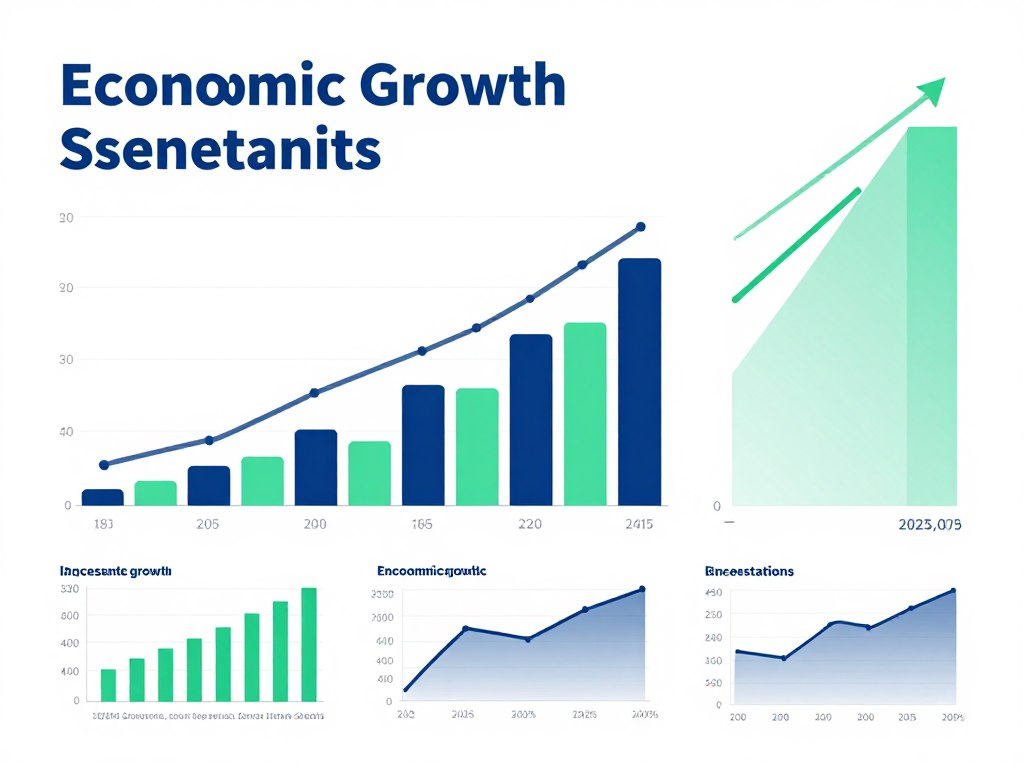
Northern Europe presents compelling economic data for tech companies. The region demonstrates consistent GDP growth. It maintains stable investment climate. These countries rank among the world’s most innovative economies.
Market Size and Digital Adoption
The Nordic market alone comprises over 27 million potential customers. The Netherlands adds another 17 million. Combined purchasing power exceeds $1.5 trillion annually. Digital penetration rates surpass 95 percent across all northern Europe countries.
These markets show strong preference for online solutions. E-commerce growth outpaces most European markets. Mobile payment adoption leads global trends. Cloud computing investment continues accelerating across business sectors.

Innovation and Technology Investment
Northern European countries consistently rank in global innovation indices. Sweden and Finland lead in research and development spending. Denmark excels in cleantech and climate solutions. Norway drives sustainable energy innovation. The Netherlands serves as a European market gateway.


- Government support for digital transformation initiatives
- High corporate investment in emerging technologies
- Strong startup ecosystem with unicorn success stories
- Advanced telecommunications infrastructure nationwide
- Progressive regulatory environment for tech companies
Unlock Nordic Market Potential
Download our comprehensive guide to Northern European tech market opportunities. Get detailed data on market size, buyer behavior, and entry strategies.
Language and Localization: Keys to Market Success
Language strategy makes the difference between market success and failure. While English proficiency is high across northern Europe, local language content drives deeper engagement. Research shows that 75 percent of consumers prefer buying products in their native language.


Understanding Northern European Language Markets
Swedish Market
Sweden represents the largest Nordic market by population. Swedish language content shows 60 percent higher engagement than English. The market values clear communication and local cultural references.
- 10 million native speakers
- High digital content consumption
- Strong preference for local language
- Active social media engagement
Norwegian Landscape
Norway offers strong purchasing power despite smaller population. Two official written forms require consideration. Companies need strategic approach to language variants.
- 5.5 million speakers
- Bokmal and Nynorsk variants
- High per-capita digital spending
- Enterprise solutions demand
Danish Digital Market
Denmark excels in digital infrastructure. Danish consumers expect seamless online experiences. Local language content builds trust and credibility with business decision makers.
- 6 million native speakers
- Advanced e-government adoption
- Strong B2B tech market
- Innovation-driven business culture
Finnish Technology Hub
Finland combines technical expertise with unique language requirements. Finnish differs significantly from other Nordic languages. Quality localization demonstrates market commitment.
- 5.5 million speakers
- Unique linguistic structure
- Tech-savvy population
- Gaming and mobile solutions

Beyond Translation: True Localization
Effective market entry requires more than word-for-word translation. True localization adapts content to cultural context. It considers local business practices. It respects regional preferences and communication styles.
Cultural Adaptation Elements
- Date and time formats matching local conventions
- Currency and pricing strategies per market
- Visual design aligned with regional aesthetics
- Examples and case studies from local companies
- Customer service hours and contact methods


Localization Best Practice
Companies that invest in full localization see 3x higher conversion rates compared to English-only content. Northern European consumers reward businesses that demonstrate cultural understanding through properly localized solutions and marketing materials.
Technical Documentation
Product documentation in local languages increases adoption. Technical guides must maintain accuracy across languages. API documentation serves developer communities effectively.
Marketing Materials
Campaigns resonate when culturally adapted. Social media content requires local voice. Email marketing benefits from regional personalization and timing strategies.
User Interfaces
Software interfaces drive user satisfaction. Navigation must feel natural in each language. Button labels and error messages need cultural adaptation for clarity.
Get Your Personalized Content Strategy
Our multilingual content experts will analyze your products and create a customized strategy for Northern European Markets. Receive actionable recommendations based on your specific business goals.
Building Effective Multilingual Content Strategies
Successful market entry demands systematic approach. Content strategy must align with business objectives. It should consider resource allocation. Phased implementation reduces risk while building market presence.

Strategy Development Framework
- Market research and competitor analysis
- Target audience identification per country
- Content audit of existing materials
- Technology stack assessment
- Resource and budget planning
Discovery Stage
- Content creation and localization workflows
- Translation management system setup
- Quality assurance processes
- Platform integration and deployment
- Team training and enablement
Implementation Phase
- Performance monitoring and analytics
- User feedback collection
- Conversion rate optimization
- Content refresh and updates
- Continuous improvement iteration
Optimization Cycle
Content Types and Priority
Different content types serve different business stages. Priority should align with customer journey. Initial focus often targets awareness and consideration stages.
| Content Type | Business Impact | Localization Priority | Investment Level |
| Product Pages | Direct conversion driver | Critical | High |
| Technical Documentation | Customer success enabler | Critical | High |
| Blog Articles | SEO and thought leadership | High | Medium |
| Case Studies | Trust building | High | Medium |
| Social Media | Brand awareness | Medium | Low to Medium |
| Video Content | Engagement and education | Medium | High |

Technology Solutions for Scale
Modern technology enables efficient multilingual operations. Translation management systems streamline workflows. Content management platforms support multi-language publishing. Automation reduces manual effort and costs.
Translation Management Benefits
- Centralized workflow coordination
- Translation memory cost savings
- Consistency across languages
- Integration with existing systems
- Real-time collaboration tools
Implementation Challenges
- Initial setup time investment
- Learning curve for teams
- Integration complexity
- Vendor selection process
- Change management requirements
Measuring Content Performance
Data drives optimization decisions. Key performance indicators vary by business model. Tracking must happen at language and market level. Regular analysis identifies improvement opportunities.
- Set baseline metrics before launch
- Implement analytics tracking per language
- Monitor engagement and conversion rates
- Collect qualitative user feedback
- Compare performance across markets
- Adjust strategy based on data insights
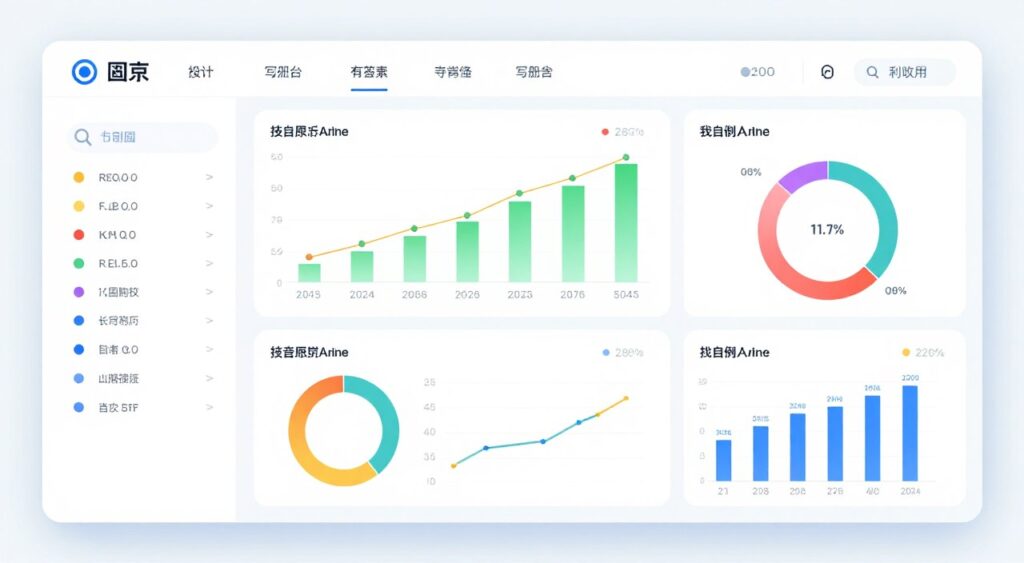
Maximizing Profitability in Northern European Markets
Profitability requires strategic resource allocation. Companies must balance quality with efficiency. Smart investment in high-impact content delivers best returns. Phased expansion manages risk while capturing opportunity.
Market Entry Approaches
Single-Market Focus
Starting with one country reduces complexity. This approach allows deep market learning. Companies refine their strategy before expanding. Sweden often serves as initial entry point due to market size.
Benefits include focused resources and clearer metrics. Teams develop expertise in one market. Success patterns emerge more quickly. This foundation supports subsequent expansion.
Regional Rollout
Simultaneous multi-country launch accelerates presence. This strategy requires more resources. It captures market opportunity faster. Companies with existing European operations often choose this path.
Shared infrastructure reduces per-country costs. Regional brand building gains efficiency. Competitive positioning strengthens across markets. Coordination complexity increases but remains manageable.
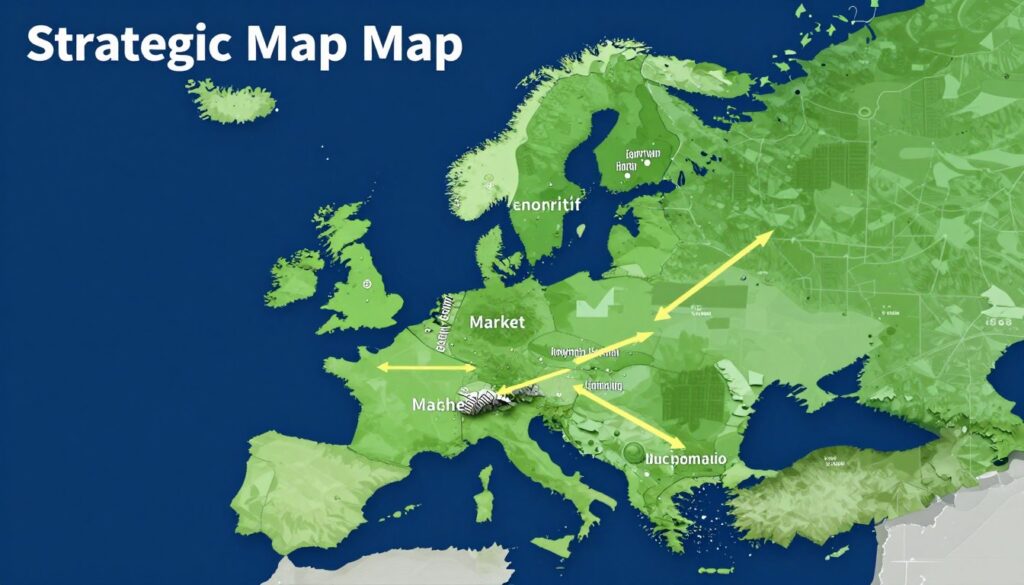
Cost Optimization Strategies
Smart companies optimize without sacrificing quality. Translation memory reduces ongoing costs. Content reuse multiplies investment value. Automation handles repetitive tasks efficiently.
Translation Memory
Reusing previously translated content cuts costs by 30-60 percent. Systems store approved translations. Consistency improves across projects. Return on investment appears within months.
Content Templates
Standardized templates streamline production. Writers work faster with proven structures. Localization becomes more efficient. Quality remains consistent across languages and markets.
Workflow Automation
Automated routing saves management time. Systems trigger notifications appropriately. Progress tracking happens automatically. Teams focus on creative work rather than coordination.
Revenue Growth Opportunities
Northern European markets offer multiple revenue streams. Direct product sales form the foundation. Service contracts provide recurring revenue. Partnership opportunities create additional channels.
Market Data Insight
Tech companies entering Northern European markets see average revenue growth of 40 percent within first two years. Those investing in comprehensive multilingual content strategies outperform by additional 25 percent. The investment typically pays back within 12-18 months.
Start Your Northern European Market Expansion
Ready to capture opportunities in Northern European Markets? Our team specializes in multilingual content strategy for tech companies. We help businesses develop comprehensive plans that maximize ROI while minimizing risk.
What You Receive
- Comprehensive market opportunity analysis
- Customized content strategy roadmap
- Technology recommendations for your stack
- Budget and timeline projections
- Risk assessment and mitigation plans
- Success metrics and KPI framework


Your Path to Nordic Market Success
Northern European Markets represent significant opportunity for growth-focused tech companies. These markets reward businesses that invest in quality multilingual content. Success requires strategic planning and cultural understanding.
Companies that enter these markets with comprehensive content strategies outperform competitors. They build stronger customer relationships. They achieve higher conversion rates. They establish sustainable competitive advantages.
The investment in multilingual content delivers measurable returns. It opens doors to high-value customers. It positions businesses for long-term growth. The time to enter these markets is now.

Your competitors are already moving into northern Europe. Market leaders are establishing positions. First-movers gain lasting advantages. Strategic content investment separates winners from followers.
Take the next step toward profitable expansion. Develop your multilingual content strategy. Enter these markets with confidence. Your success in Northern European Markets starts with the right approach to content and localization.
-

-

-

-