
Marketing prop firm challenges to the right audience can transform your customer acquisition strategy. Most prop firms struggle with attracting qualified traders who complete evaluations and become profitable funded traders. The difference between success and failure often comes down to targeting high-intent audiences who understand risk management and possess the discipline necessary for consistency.
This comprehensive guide reveals proven strategies for marketing proprietary trading challenges effectively. You will discover how to identify traders with genuine purchase intent, craft compelling value propositions, and build conversion funnels that turn prospects into paying customers.
The prop trading industry has exploded in recent years. More firms offer evaluation programs than ever before. Competition for trader attention has intensified dramatically. Your marketing approach must cut through noise and speak directly to traders ready to invest in their trading career through a firm challenge.
Understanding High-Intent Audiences in Prop Trading
High-intent audiences represent traders actively searching for prop firm challenges and ready to purchase evaluation programs. These individuals have moved beyond casual interest. They research specific firms, compare challenge parameters, and evaluate profit targets against challenge fees.


Characteristics of High-Intent Prop Trading Prospects
Traders with high purchase intent exhibit specific behavioral patterns. They visit multiple firm websites within short timeframes. They engage with detailed content about rules, drawdown limits, and profit targets. They ask specific questions about trading accounts and capital allocation.
These prospects typically possess trading experience. They understand concepts like overall drawdown and consistency requirements. Many have traded live accounts previously. Some have attempted challenges with other prop firms. Their questions focus on conditions rather than basic trading education.
Experienced Traders
Previously managed personal capital or traded professionally
- Understand risk parameters and drawdown rules
- Ask about specific trading conditions
- Compare profit targets across firms
- Evaluate challenge fee versus potential returns
Career Transitioners
Professionals seeking full-time trading opportunities
- Research firm reputation and payout history
- Focus on consistency requirements
- Evaluate long-term partnership potential
- Seek firms with clear advancement paths
Scaling Traders
Successful traders wanting access to more capital
- Compare account size options across firms
- Evaluate profit split arrangements
- Research scaling opportunities after passing
- Analyze overall terms for multiple accounts
Strategic Shoppers
Methodical decision-makers comparing multiple options
- Create detailed comparison spreadsheets
- Calculate total cost of evaluation attempts
- Research customer reviews and testimonials
- Test customer support responsiveness
Where High-Intent Traders Gather Online
Finding your target audience requires understanding their digital behavior. High-intent traders congregate in specific online spaces. They participate actively in trading communities focused on prop firms. They engage with forex and futures content creators who review challenges.
Reddit communities dedicated to prop trading attract serious prospects. Discord servers focused on funded traders facilitate peer discussions. YouTube channels reviewing firm challenges generate engaged viewership. Twitter accounts sharing funded account journeys build followings of aspiring traders.
Marketing Insight: High-intent audiences spend significant time researching before making purchase decisions. The average prospect visits 7-12 different prop firm websites and consumes 15-20 pieces of content before selecting a challenge. Your marketing must appear across multiple touchpoints throughout their research journey.
Crafting Compelling Value Propositions for Prop Firm Challenges
Your value proposition must communicate clear differentiation. Hundreds of prop firms offer similar challenge structures. Traders see comparable profit targets, rules, and conditions across multiple firms. Your messaging must articulate why traders should choose your firm challenge over competitors.


Elements of Effective Prop Challenge Positioning
Strong positioning starts with understanding trader pain points. Most traders fear losing challenge fees on unfair rules. They worry about profit targets being unrealistic. They question whether firms actually pay profits to funded traders. Your value proposition must address these specific concerns directly.
Successful firms emphasize their unique approach to evaluation. Some highlight generous time limits without pressure of trading days requirements. Others focus on simple rules with minimal restrictions. Many promote transparency around payout processes and trader success rates.
Transparency-Focused Positioning

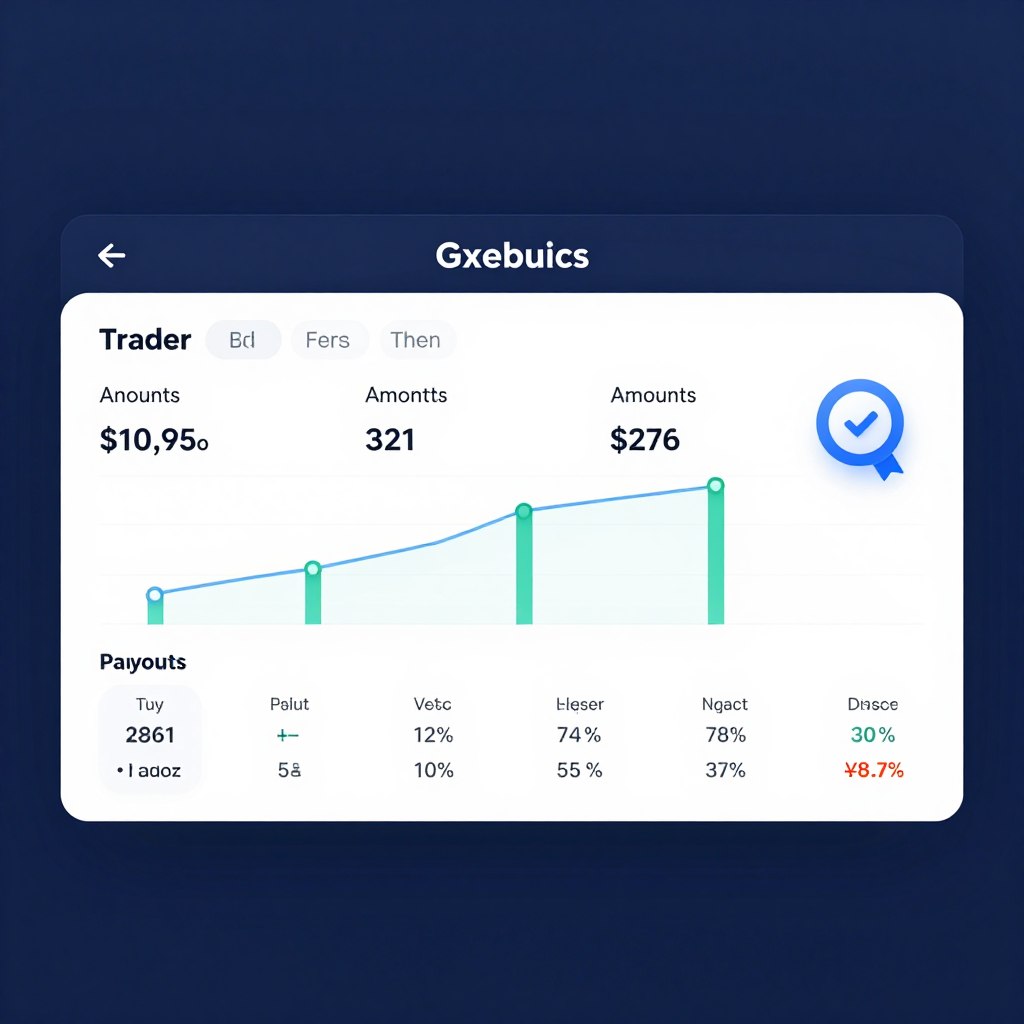
Build trust by openly sharing trader statistics and payout data. Display real funded account holders and their monthly profits. Publish average pass rates for each evaluation phase.
- Public trader testimonials with verified results
- Live payout proofs and transaction history
- Honest success rate statistics
Trader-Friendly Rules Positioning
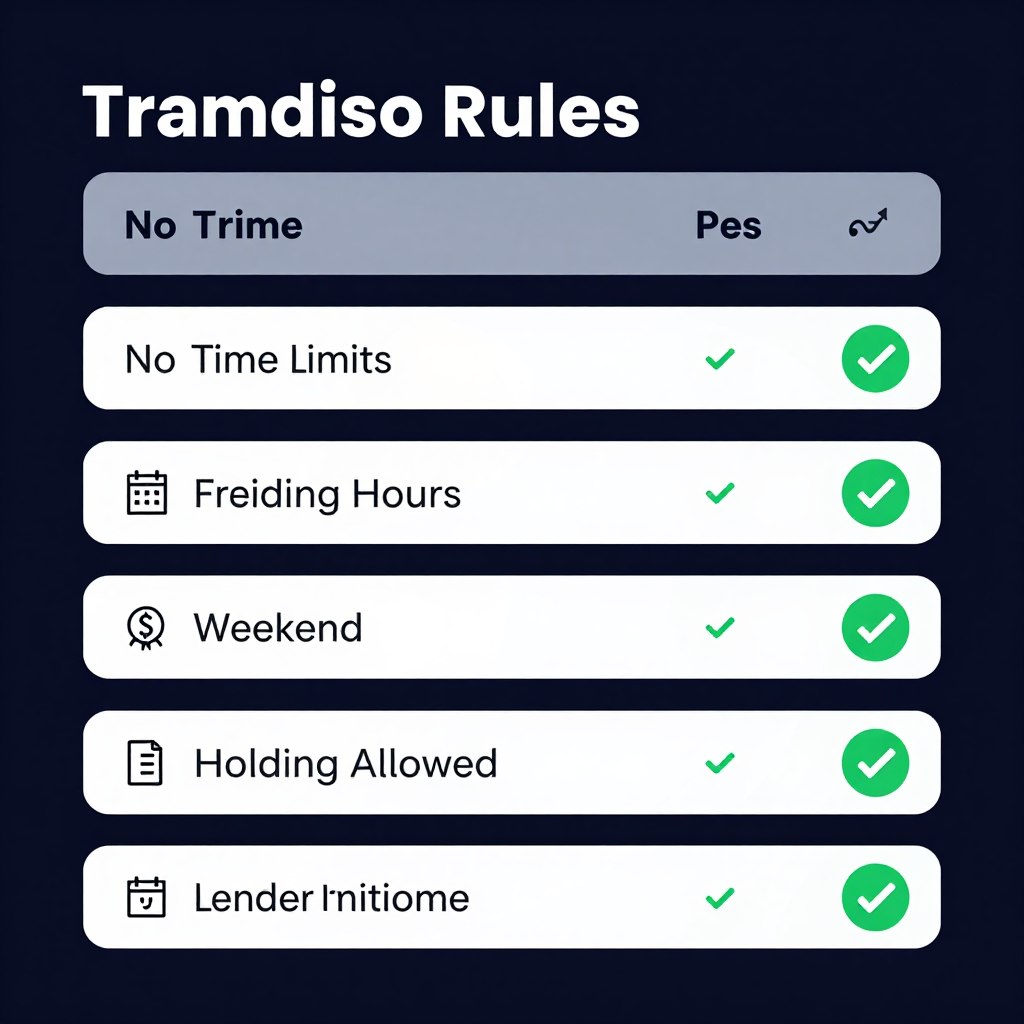
Emphasize fair and achievable parameters. Highlight unlimited time to reach targets. Promote weekend holding permissions and flexible trading strategies.
- No time pressure on profit targets
- Relaxed consistency requirements
- Flexible trading style acceptance
Technology-Driven Positioning
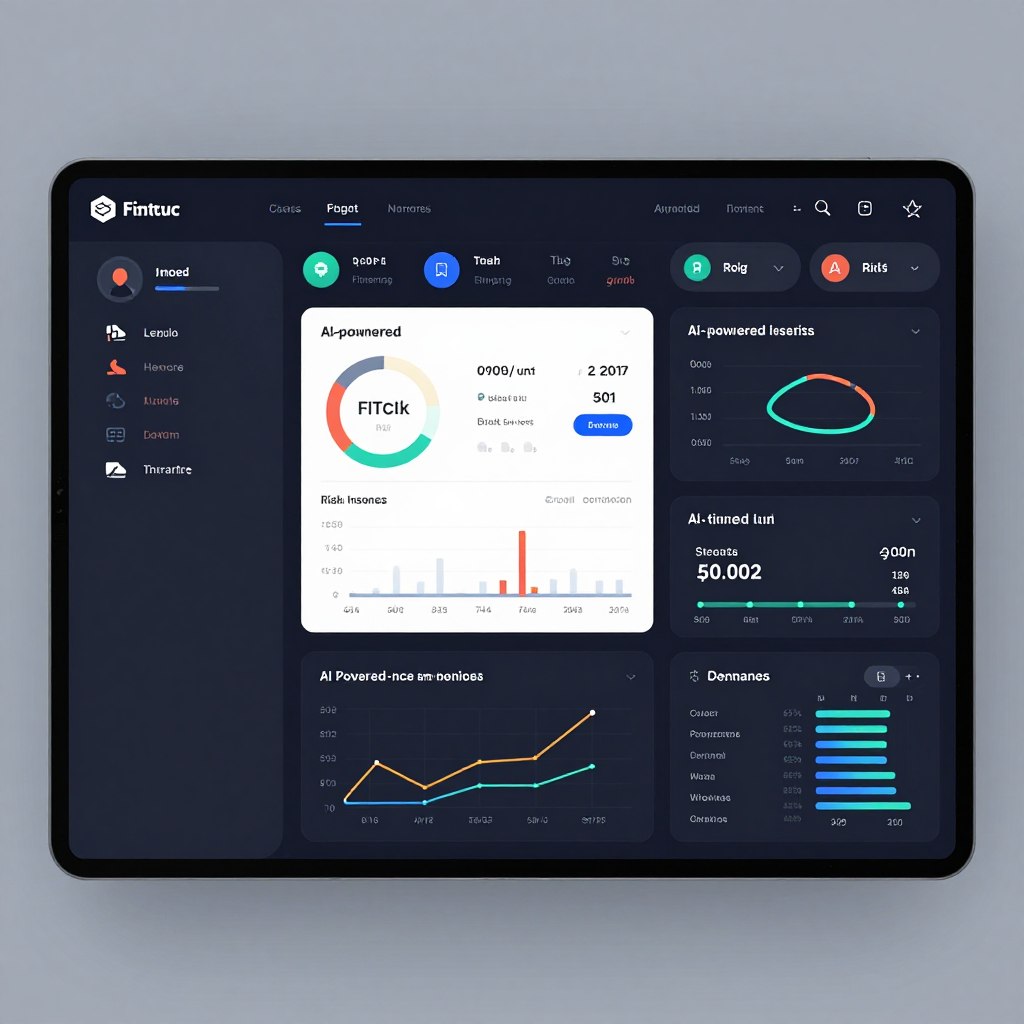
Showcase superior trading technology and tools. Offer advanced analytics dashboards for risk management. Provide automated trade journaling and performance tracking.
- Superior platform integrations
- Advanced analytics and reporting
- Automated compliance monitoring
Communicating Value Through Benefit-Focused Messaging
Features describe what your firm challenge includes. Benefits explain what traders gain from those features. Most prop firm marketing focuses excessively on features. High-converting messaging translates features into concrete trader benefits and outcomes.
Instead of stating low profit targets, explain how achievable goals reduce pressure and increase pass rates. Rather than listing rules, describe how simplified parameters let traders focus on strategy execution. Transform technical specifications into emotional benefits that resonate with trader aspirations.
| Feature (What You Offer) | Benefit (What Trader Gains) | Emotional Impact |
| No time limits on challenges | Trade at your own pace without rushed decisions | Reduced stress, increased confidence |
| 8% profit target requirement | Achievable goal that doesn’t force excessive risk | Realistic expectations, sustainable approach |
| 5% overall drawdown limit | Protective parameters that match professional risk management | Professional validation of strategy |
| Bi-weekly payout schedule | Regular income stream for consistent performance | Financial stability and career viability |
| News trading permitted | Capitalize on major market opportunities without restrictions | Freedom and strategy flexibility |
Download Our Value Proposition Framework
Get our proven template for crafting compelling prop firm challenge value propositions that convert high-intent traders. This framework has helped 47 firms increase challenge purchases by an average of 34%.
Advanced Audience Targeting Strategies for Prop Firm Challenges
Effective targeting begins with detailed audience segmentation. Not all traders represent equally valuable prospects. Some segments convert at substantially higher rates. Others generate lower lifetime value despite initial interest. Strategic firms focus marketing resources on segments with optimal conversion probability and retention potential.
Demographic and Psychographic Segmentation
Demographic segmentation provides foundational targeting parameters. Age ranges, geographic locations, and income levels create initial audience boundaries. However, psychographic factors often prove more predictive of conversion probability. Values, attitudes, and lifestyle characteristics distinguish qualified prospects from casual browsers.
Successful prop firms identify trader personas representing their ideal customers. Each persona embodies distinct characteristics, motivations, and objections. Marketing messages customized for specific personas significantly outperform generic appeals. Channels and content formats also vary by persona preferences.
The Ambitious Beginner
Demographics: Ages 22-30, early career professionals, limited trading capital
Psychographics: Career-focused, willing to invest in education, seeks external validation
Key Motivation: Prove trading ability and access professional capital
Primary Objection: Fear of wasting limited funds on challenge fees
Best Messaging: Emphasize educational support, achievable targets, and money-back opportunities
Preferred Channels: YouTube tutorials, Reddit communities, Instagram success stories
The Experienced Scalper
Demographics: Ages 28-45, proven track record, seeks capital leverage
Psychographics: Data-driven, skeptical of marketing claims, values speed and efficiency
Key Motivation: Scale proven strategy with larger capital without personal risk
Primary Objection: Concerns about rule restrictions limiting strategy execution
Best Messaging: Highlight flexible rules, fast evaluation process, and immediate scaling options
Preferred Channels: Trading forums, specialized Discord servers, Twitter trading communities
The Strategic Diversifier
Demographics: Ages 35-55, established traders with multiple income streams
Psychographics: Risk-aware, portfolio-minded, values stable partnerships
Key Motivation: Add funded account to existing trading business without capital deployment
Primary Objection: Questions about firm stability and long-term payout reliability
Best Messaging: Focus on firm credibility, transparent operations, and trader retention rates
Preferred Channels: LinkedIn, professional trading podcasts, industry publications
Behavioral Targeting Based on Search Intent
Search behavior reveals prospect intent with remarkable precision. Keyword selection indicates where prospects sit in the buying journey. Some searches signal early research phases. Others demonstrate imminent purchase readiness. Aligning marketing messages with search intent dramatically improves conversion rates.
Early-stage searches include broad terms like “what are prop firms” or “how prop trading works.” Mid-stage searches compare options with phrases like “best prop firm challenges” or “prop firm reviews.” Late-stage searches indicate purchase readiness through specific queries like “firm name discount code” or “firm name challenge cost.”
Early-Stage Intent Keywords
- What is a prop firm challenge
- How do prop trading challenges work
- Prop firm evaluation explained
- Benefits of funded trading accounts
- Prop trading vs personal account
Mid-Stage Intent Keywords
- Best prop firms for forex traders
- Prop firm challenge comparison
- Easiest prop firm to pass
- Prop firm reviews and ratings
- Top prop trading firms for beginners
High-Intent Purchase Keywords
- Specific firm name discount code
- Firm name challenge cost
- Firm name vs competitor comparison
- How to pass firm name challenge
- Firm name sign up process
Retargeting High-Intent Website Visitors
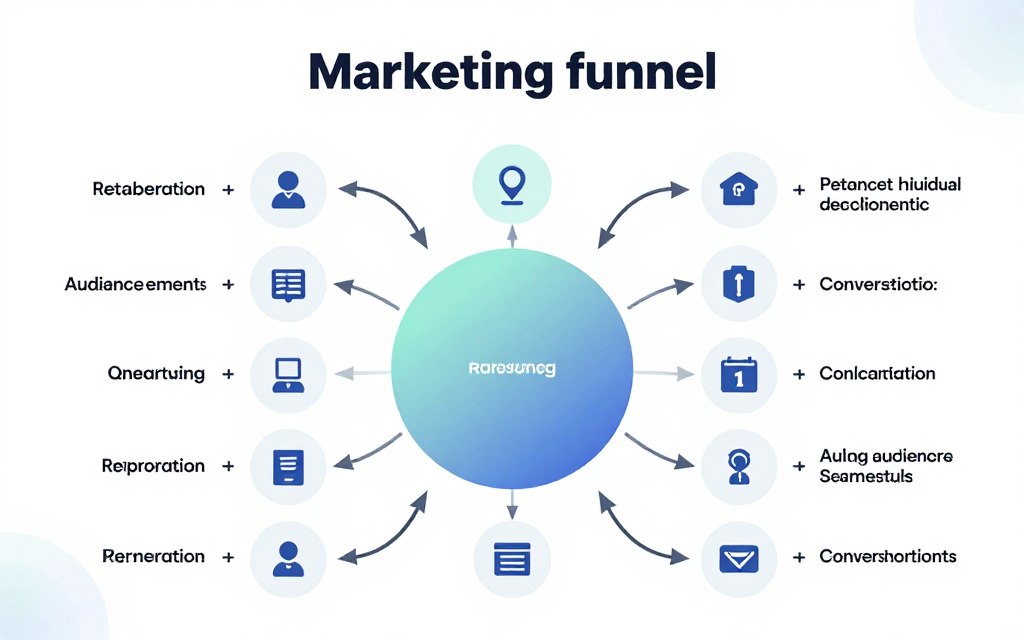
Most visitors leave without purchasing. Retargeting campaigns recapture interested prospects and guide them toward conversion. Strategic retargeting segments audiences by engagement level. Visitors who viewed pricing deserve different messaging than those who only read blog posts.
Effective retargeting sequences progressively address objections. Initial ads reinforce value propositions and benefits. Follow-up ads introduce social proof through testimonials. Later ads create urgency with limited-time offers. Final ads present risk-reversal guarantees or money-back conditions.
Retargeting Best Practice: Create separate retargeting audiences for pricing page visitors, challenge rules page visitors, and comparison page visitors. Each audience exhibits distinct behaviors signaling specific objections. Customize ad creative and messaging to address the unique concerns of each segment. Pricing page visitors need urgency and incentives. Rules page visitors need reassurance about fairness. Comparison page visitors need differentiation proof.

Content Marketing Strategies That Attract High-Intent Traders
Content marketing establishes authority while attracting qualified prospects. Strategic content addresses specific questions high-intent traders research. This approach captures organic search traffic from prospects actively seeking information. Quality educational content builds trust before introducing commercial offers.
The most effective prop firm content directly helps traders succeed. Strategy guides demonstrate firm expertise. Trading psychology articles show understanding of trader challenges. Risk management resources provide immediate value. This educational approach positions your firm as a partner rather than merely a vendor.

High-Converting Content Types for Prop Firms
Certain content formats consistently generate qualified leads. Comparison articles attract prospects actively evaluating options. In-depth guides on passing challenges draw traders preparing for evaluation. Case studies featuring successful funded traders provide social proof while entertaining prospects.
Video content particularly resonates with trader audiences. Platform walkthroughs reduce uncertainty about trading conditions. Founder interviews build personal connections. Trader testimonial videos create emotional engagement. Educational webinars position your firm as an authority while capturing contact information.
Top-of-Funnel Content
- What is prop trading (educational foundation)
- Prop firm industry overview articles
- Trading strategy fundamentals guides
- Risk management basics for traders
- Market analysis and trading insights
- Trading psychology and mindset articles
Middle-of-Funnel Content
- Prop firm comparison articles
- Challenge passing strategy guides
- Reviews of different prop firms
- Common challenge mistakes to avoid
- Funded trader interview series
- Platform feature demonstrations
Bottom-of-Funnel Content
- Your firm’s challenge walkthrough
- Step-by-step signup process guide
- Payout process transparency articles
- FAQ addressing specific objections
- Success rate statistics and data
- Limited-time offer announcements
SEO Optimization for Prop Trading Keywords
Search engine optimization drives consistent organic traffic from qualified prospects. Proper keyword targeting ensures your content appears when traders research challenges. Focus on long-tail keywords indicating commercial intent. Terms like “best prop firm for swing traders” demonstrate more purchase readiness than generic “prop firm” searches.
Technical optimization ensures search engines properly index and rank your content. Fast page loading speeds reduce bounce rates. Mobile optimization serves the growing percentage of mobile researchers. Clear site structure with logical internal linking helps both users and search engines navigate your content effectively.
On-Page SEO Essentials for Prop Firm Content
- Include target keywords in titles, headings, and first paragraph
- Write comprehensive content exceeding 2000 words for competitive terms
- Optimize meta descriptions to improve click-through rates from search results
- Use descriptive alt text on images featuring relevant keywords
- Implement schema markup for reviews and organizational information
- Create clear URL structures reflecting content hierarchy and keywords
- Interlink related content to establish topical authority
- Optimize page speed and Core Web Vitals metrics
Quick Win: Audit your existing content for opportunities to add internal links to challenge signup pages. Strategic internal linking from high-traffic educational content to commercial pages can increase conversions by 15-25% without additional traffic generation.
Leveraging User-Generated Content
Trader testimonials and reviews provide powerful social proof. Encourage funded traders to share their experiences. Video testimonials carry exceptional credibility. Written reviews on your website and third-party platforms build trust with prospects researching your firm.
Create community spaces where traders share experiences. Private Discord servers or forums facilitate peer interaction. Successful traders naturally become brand advocates when they genuinely benefit from your funded accounts. Feature their success stories prominently across marketing channels.

Video Testimonials
Authentic trader stories build emotional connections and credibility. Short-form videos work best for social media. Longer interviews suit YouTube and website embedding.

Payout Proofs
Transaction screenshots demonstrate legitimate profit distribution. Encourage traders to share payout celebrations on social media. Repost with permission to amplify reach.
Community Content
Trading communities generate organic discussions and recommendations. Active forums create valuable long-term content. Member interactions build social proof continuously.
Paid Advertising Strategies for Maximum ROI
Paid advertising accelerates prospect acquisition when executed strategically. Effective campaigns target high-intent keywords and audiences. Budget allocation focuses on channels delivering qualified leads rather than vanity metrics. Continuous optimization based on conversion data improves efficiency over time.
The most successful prop firms diversify across multiple paid channels. Google Ads captures active searchers with commercial intent. Facebook and Instagram ads build awareness and retarget website visitors. YouTube ads engage prospects consuming trading education content. Each channel serves distinct purposes within the marketing funnel.
Google Ads Campaign Structure for Prop Firms
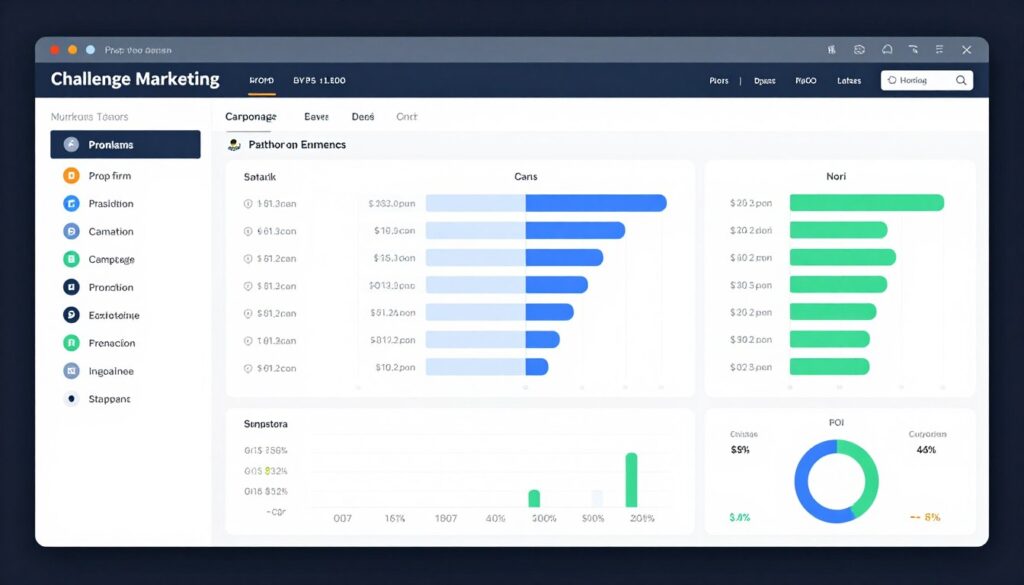
Google Ads effectiveness depends on precise campaign architecture. Separate campaigns by intent level ensures appropriate bidding and messaging. High-intent keywords merit aggressive bidding and direct response ads. Educational keywords warrant lower bids with content-focused approaches.
Ad copy must speak directly to searcher intent. Match headlines to searched keywords for relevance. Emphasize unique differentiators in descriptions. Include specific calls-to-action guiding users toward desired next steps. Test multiple ad variations to identify highest performers.
| Campaign Type | Target Keywords | Bidding Strategy | Landing Page Type | Primary Goal |
| Brand Defense | Your firm name, branded terms | High bids to dominate results | Homepage or challenge overview | Protect brand searches from competitors |
| High-Intent Commercial | Best prop firm, prop firm reviews, specific comparison terms | Aggressive CPA-focused bidding | Comparison page or challenge signup | Capture ready-to-buy prospects |
| Educational Content | How to pass prop firm challenge, trading strategies | Moderate bids for volume | Educational blog post with soft CTA | Build awareness and retargeting audience |
| Competitor Conquest | Competitor firm names | Strategic bidding on top competitors | Direct comparison page | Intercept competitor-focused searches |
| Retargeting Display | Display network targeting site visitors | Lower CPC for brand reinforcement | Varies by visitor behavior | Re-engage previous site visitors |
Social Media Advertising for Trader Acquisition
Social platforms enable sophisticated audience targeting based on interests and behaviors. Facebook’s detailed targeting reaches traders interested in forex, day trading, and financial markets. Instagram visual ads showcase trader success stories and lifestyle aspirations. Both platforms support powerful retargeting of website visitors.
Video ads significantly outperform static images on social platforms. Short testimonial clips grab attention in crowded feeds. Platform demonstration videos educate while building interest. Founder story videos create personal connections. Budget substantial portions toward video creative development and testing.
Facebook Ads Strategy
Target traders through interest-based audiences and lookalike modeling from existing customers.
- Create lookalike audiences from challenge purchasers
- Target forex and trading interest categories
- Use lead forms for low-friction contact capture
- Implement multi-stage retargeting sequences
- Test carousel ads showcasing multiple benefits
Instagram Ads Strategy
Leverage visual storytelling to showcase trader lifestyle and success outcomes.
- Feature funded trader success stories visually
- Use Stories format for authentic testimonials
- Create aspirational lifestyle content
- Implement influencer partnerships with trading accounts
- Drive traffic to Instagram bio link pages
YouTube Ads Strategy
Reach traders actively consuming trading education through in-stream video ads.
- Target trading education channel viewers
- Use skippable in-stream ads for cost efficiency
- Create compelling first 5 seconds for retention
- Retarget engaged video viewers
- Test different video lengths and hooks
Budget Allocation and Performance Tracking
Effective budget distribution requires ongoing performance analysis. Allocate spending toward channels and campaigns delivering the lowest cost per acquisition. However, maintain presence across multiple channels to capture prospects at different stages. Overconcentration in a single channel creates vulnerability to platform changes.
Track metrics beyond immediate conversions. Monitor assisted conversions showing channel contributions throughout the customer journey. Analyze time-to-conversion data revealing typical decision timeframes. Measure lifetime value of customers acquired through different channels to inform long-term budget allocation.
Common Mistake: Many prop firms stop advertising when challenge purchases temporarily decline. This creates feast-or-famine revenue cycles. Consistent advertising maintains steady prospect flow. Scale spending up during high-performing periods rather than completely stopping during slower phases. Momentum takes time to rebuild after advertising pauses.
Conversion Rate Optimization for Challenge Signups
Attracting qualified traffic represents only half the equation. Converting visitors into paying customers determines actual marketing ROI. Most prop firm websites convert only 1-3% of visitors. Strategic optimization can double or triple conversion rates without additional traffic investment.
Conversion optimization begins with understanding friction points. Where do prospects abandon the signup process? What questions remain unanswered? Which objections prevent purchase decisions? Analytics tools reveal behavioral patterns indicating specific optimization opportunities.
Landing Page Optimization Principles
Dedicated landing pages focused on single objectives consistently outperform general website pages. Remove navigation menus eliminating exit paths. Craft headlines directly addressing searcher intent. Structure content to progressively overcome objections while building desire.
Visual hierarchy guides visitor attention toward conversion elements. Prominent call-to-action buttons contrast with surrounding content. Strategic placement of trust signals near CTAs reduces purchase anxiety. Testimonials positioned above the fold establish credibility immediately.
High-Converting Landing Page Elements
- Clear, benefit-focused headline above the fold
- Specific value proposition within first screen
- Visual demonstration of challenge process
- Prominent trust badges and security indicators
- Social proof through trader testimonials
- Clear pricing without hidden fees
- Strong, action-oriented CTA buttons
- FAQ section addressing common objections
- Mobile-optimized responsive design
- Fast loading speed under 3 seconds
Conversion-Killing Landing Page Mistakes
- Generic headlines that could apply to any firm
- Navigation menus providing exit opportunities
- Unclear or confusing value propositions
- Buried or weak call-to-action buttons
- Excessive text without visual breaks
- Slow loading speeds frustrating visitors
- Unclear pricing or hidden fee structures
- Lack of trust signals or social proof
- Poor mobile experience on smaller screens
- Complicated signup process with too many steps
Streamlining the Challenge Purchase Process
Every additional step in the signup process reduces completion rates. Simplify forms requesting only essential information. Pre-fill fields when possible using known data. Provide clear progress indicators showing completion percentage. Enable guest checkout avoiding mandatory account creation.
Address security concerns explicitly throughout the checkout process. Display SSL certificates and secure payment badges. Clearly communicate refund policies and money-back guarantees. Offer multiple payment methods accommodating different preferences. Transparent communication about what happens next reduces abandonment.
- Simplify Form Fields: Request only email and payment information initially. Collect additional details after purchase completion. Each eliminated field increases conversion rates by approximately 5-10%.
- Implement Progress Indicators: Show users exactly how many steps remain in the checkout process. Progress bars reduce abandonment by creating commitment and showing end proximity.
- Enable Social Login Options: Allow signup using Google, Facebook, or Apple credentials. Social login reduces friction significantly while streamlining the process.
- Optimize for Mobile Devices: Ensure checkout works flawlessly on smartphones. Over 40% of challenge purchases now occur on mobile devices.
- Provide Live Chat Support: Offer immediate assistance during checkout. Real-time support resolves concerns preventing purchase decisions.
- Display Trust Signals Prominently: Position security badges and payment logos directly near purchase buttons. Visible trust indicators reduce purchase anxiety.
- Create Urgency Without Pressure: Limited-time discounts or enrollment caps create urgency. However, false scarcity damages credibility when discovered.
A/B Testing Methodology for Continuous Improvement
Systematic testing reveals which changes actually improve conversions. Test one element at a time to isolate impact. Run tests until reaching statistical significance before declaring winners. Document all test results building institutional knowledge over time.
Priority test elements that typically yield significant improvements. Headlines dramatically affect engagement and conversion. CTA button colors and copy influence click-through rates. Pricing presentation and guarantee terms impact purchase decisions. Trust signal placement affects perceived credibility.
Test Headlines
Compare benefit-focused versus feature-focused headlines. Test specific outcomes versus general appeals. Measure which messaging resonates strongest with your audience.
Example Test: “Get Funded in 7 Days” vs “Access $100K Trading Capital”
Test CTA Buttons
Experiment with button colors, sizes, and copy. Test placement above versus below the fold. Measure whether multiple CTAs increase or decrease conversions.
Example Test: “Start Challenge Now” vs “Get Funded Today”
Test Social Proof
Compare video testimonials versus written reviews. Test specific trader results versus general success rates. Measure impact of quantity versus quality of testimonials.
Example Test: 3 detailed testimonials vs 20 brief reviews
Schedule Your Free Conversion Audit
Our team will analyze your prop firm website and identify the top 10 opportunities to increase challenge signups. Most firms implement our recommendations and see 25-40% conversion increases within 30 days.
Limited to 8 audits per month. No obligations or sales pressure.
Email Marketing Sequences That Convert Prospects
Email remains one of the highest-ROI marketing channels for prop firms. Strategic email sequences nurture prospects who aren’t ready to purchase immediately. Automated workflows deliver relevant content based on subscriber behavior. Personalized messaging increases engagement and conversion probability.
Effective email marketing balances education with promotion. Provide genuine value through trading insights and tips. Build trust through consistent communication. Gradually introduce commercial messages after establishing credibility. The most successful firms achieve 25-35% open rates and 3-5% click-through rates.
Welcome Series for New Subscribers
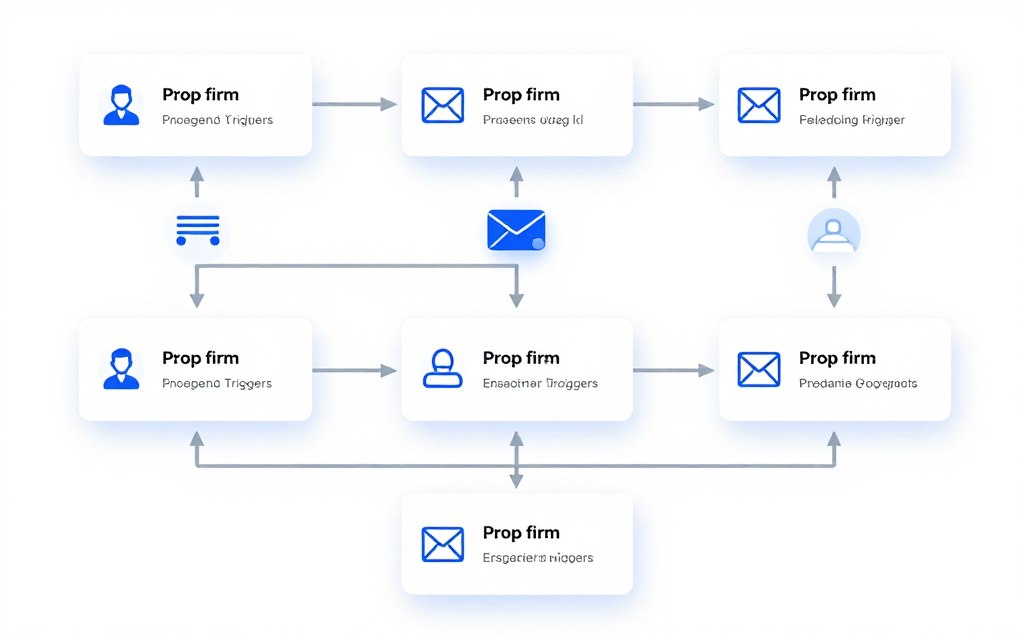
First impressions determine long-term engagement. Welcome emails enjoy exceptionally high open rates. Use initial messages to set expectations and deliver immediate value. Introduce your firm’s unique approach. Share resources helping traders succeed regardless of challenge purchase.
Structure welcome series as a progressive education sequence. Email one delivers promised lead magnet and sets expectations. Email two shares your firm’s founding story and values. Email three provides educational content demonstrating expertise. Email four introduces challenge options with soft sell. Email five presents testimonials and social proof.
- Email 1 – Immediate Value Delivery (Day 0): Deliver promised resource immediately. Set expectations for future emails. Ask subscribers to whitelist your address. Include quick win tip they can implement today.
- Email 2 – Brand Story and Values (Day 2): Share founder story and firm mission. Explain what makes your approach different. Build emotional connection through authentic narrative. Avoid sales messaging entirely.
- Email 3 – Educational Content (Day 4): Provide substantial trading insight or strategy. Demonstrate expertise through practical guidance. Link to relevant blog content for deeper learning. Establish authority without selling.
- Email 4 – Challenge Introduction (Day 7): Explain your evaluation process and benefits. Compare your approach to alternatives. Soft CTA inviting exploration of challenge details. Focus on education over hard selling.
- Email 5 – Social Proof (Day 10): Share trader success stories and testimonials. Include payout proofs and achievement milestones. Address common objections through peer experiences. Stronger CTA encouraging challenge signup.
Abandoned Cart Recovery Sequences
Many prospects initiate challenge purchases but abandon before completing payment. Automated recovery emails recapture a significant percentage of these lost sales. Send first recovery email within one hour of abandonment. Follow up with additional messages at strategic intervals.
Recovery emails should remove obstacles preventing purchase completion. First email simply reminds about abandoned cart with easy return link. Second email addresses common concerns and objections. Third email creates urgency with limited-time discount. Fourth email presents risk-reversal guarantee or money-back offer.
| Timing | Email Type | Subject Line Approach | Primary Message | CTA Focus |
| 1 hour later | Gentle Reminder | Did you forget something? | Simple reminder about incomplete signup with easy completion link | Complete your challenge registration |
| 24 hours later | Objection Handler | Quick question about your challenge | Address common concerns and FAQ. Offer assistance | Get answers or complete signup |
| 48 hours later | Urgency Creator | Special offer expiring soon | Limited-time discount to encourage action | Claim discount and start challenge |
| 96 hours later | Risk Reversal | No-risk guarantee on your challenge | Emphasize money-back guarantee and low risk | Start risk-free challenge today |
Re-engagement Campaigns for Dormant Subscribers
Subscriber engagement naturally declines over time. Re-engagement campaigns revive interest among inactive contacts. Identify subscribers who haven’t opened emails in 60-90 days. Send targeted campaigns attempting to recapture attention before removing unresponsive contacts.
Re-engagement emails should acknowledge the lapse in interaction. Ask directly whether subscribers want to continue receiving emails. Offer preferences update allowing subscribers to choose content types and frequency. Provide compelling reason to re-engage through exclusive offer or valuable resource.
List Hygiene Best Practice: Remove subscribers who don’t engage with re-engagement campaigns. Inactive subscribers harm sender reputation and deliverability rates. Maintaining clean lists with engaged subscribers improves overall email performance. Quality matters more than quantity for sustainable email marketing success.
Strategic Partnerships and Affiliate Marketing
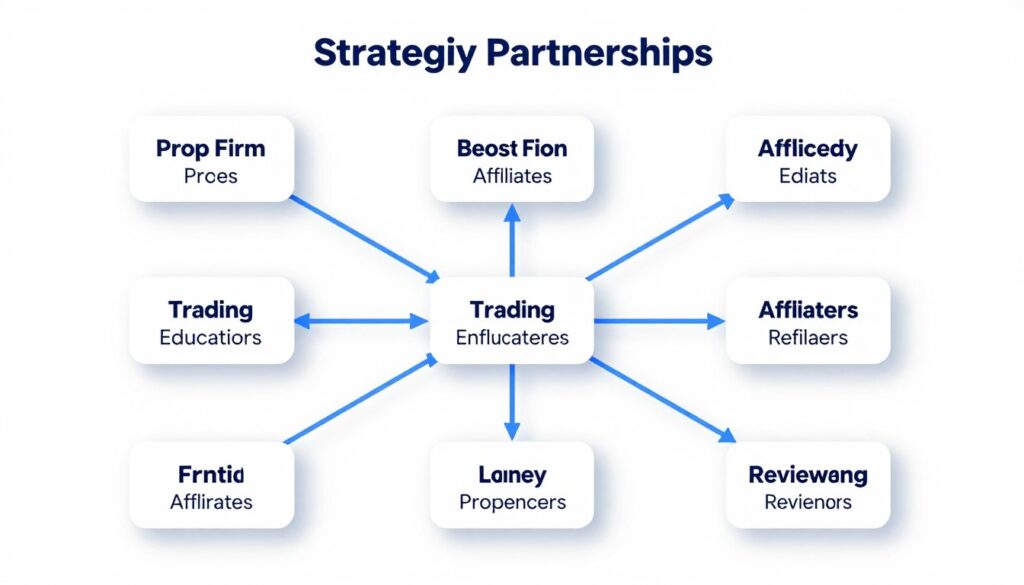
Strategic partnerships exponentially expand reach beyond organic marketing efforts. Trading educators command established audiences of qualified prospects. Influencers in the trading space enjoy loyal followings. Review sites attract traders actively comparing options. Each represents a potential distribution channel for challenge signups.
Successful partnership programs offer compelling economics for partners. Generous commission structures motivate promotion. Recurring revenue shares align long-term interests. Exclusive offers create differentiation from competitors. Clear tracking and timely payments build trust and sustained effort.
Building an Affiliate Program Structure
Affiliate programs function as performance-based sales teams. Affiliates promote your challenges to their audiences. You compensate them only for actual conversions. This model eliminates upfront advertising risk while incentivizing aggressive promotion.
Commission structures vary based on challenge economics and competition. Many prop firms offer 15-30% of initial challenge fees. Some provide ongoing revenue shares from traders who become long-term funded accounts. Tiered structures reward high-performing affiliates with increased commission rates. Lifetime attribution credits affiliates for referred traders’ future purchases.
Standard Affiliate Tier
Commission Rate: 20% of challenge fee
Cookie Duration: 30 days
Minimum Requirements: None
- Perfect for new affiliate partners
- Simple flat-rate structure
- Quick approval process
- Access to marketing materials
Premium Affiliate Tier
Commission Rate: 30% of challenge fee
Cookie Duration: 60 days
Minimum Requirements: 25+ referrals/month
- Increased commission for volume
- Extended attribution window
- Priority support access
- Custom promotional codes
Elite Affiliate Tier
Commission Rate: 35% plus revenue share
Cookie Duration: 90 days
Minimum Requirements: 100+ referrals/month
- Maximum commission structure
- Ongoing trader revenue share
- Dedicated account manager
- Co-marketing opportunities
Recruiting High-Quality Affiliate Partners
Partner quality matters more than quantity. One influential trading educator drives more conversions than dozens of casual bloggers. Focus recruitment on partners with engaged audiences matching your ideal customer profile. Established credibility in the trading community translates to higher conversion rates.
Identify potential partners through systematic research. Monitor YouTube channels covering prop trading. Follow trading educators with substantial social media followings. Track review sites ranking high for comparison keywords. Reach out with personalized partnership proposals demonstrating mutual benefit.
- Research Trading Educators: Identify YouTube channels and course creators with 10K+ subscribers focused on day trading or forex. These educators command audiences actively seeking trading opportunities.
- Connect with Trading Influencers: Engage with Instagram and Twitter personalities sharing trading content. Build relationships before pitching partnerships. Genuine connections yield better collaboration.
- Approach Review Sites: Contact websites comparing prop firms and challenges. Offer exclusive insights and competitive commission structures. Provide comprehensive information facilitating accurate reviews.
- Partner with Trading Tools: Collaborate with trading journal software, analytics platforms, and strategy tools. Their users represent qualified prop trading prospects seeking performance improvement.
- Engage Trading Communities: Sponsor trading forums and Discord servers with engaged member bases. Community endorsements carry substantial weight with participants.
Supporting Affiliates for Maximum Performance
Successful affiliates require ongoing support and resources. Provide comprehensive marketing materials including banner ads, email templates, and social media content. Create exclusive promotional codes and special offers affiliates can share. Deliver regular performance updates showing earnings and conversion data.
Top-performing affiliates appreciate strategic collaboration. Share insights about which messages convert best. Provide early access to new challenge formats and features. Invite feedback about program improvements. Treat elite affiliates as genuine partners rather than transactional vendors.
Marketing Asset Library
Comprehensive collection of promotional materials affiliates can deploy immediately.
- Banner ads in multiple sizes and formats
- Pre-written email templates and sequences
- Social media post templates with images
- Video scripts and talking points
- Landing page copy and layouts
Performance Dashboard
Real-time tracking of clicks, conversions, and commission earnings.
- Live conversion tracking and attribution
- Earnings summaries and payment history
- Traffic quality analytics
- Performance benchmarking
- Promotional link generator
Dedicated Support
Direct access to affiliate management team for assistance and strategy.
- Affiliate manager point of contact
- Priority email and chat support
- Regular strategy consultation calls
- Custom campaign collaboration
- Performance optimization guidance
Trader Retention and Lifetime Value Maximization
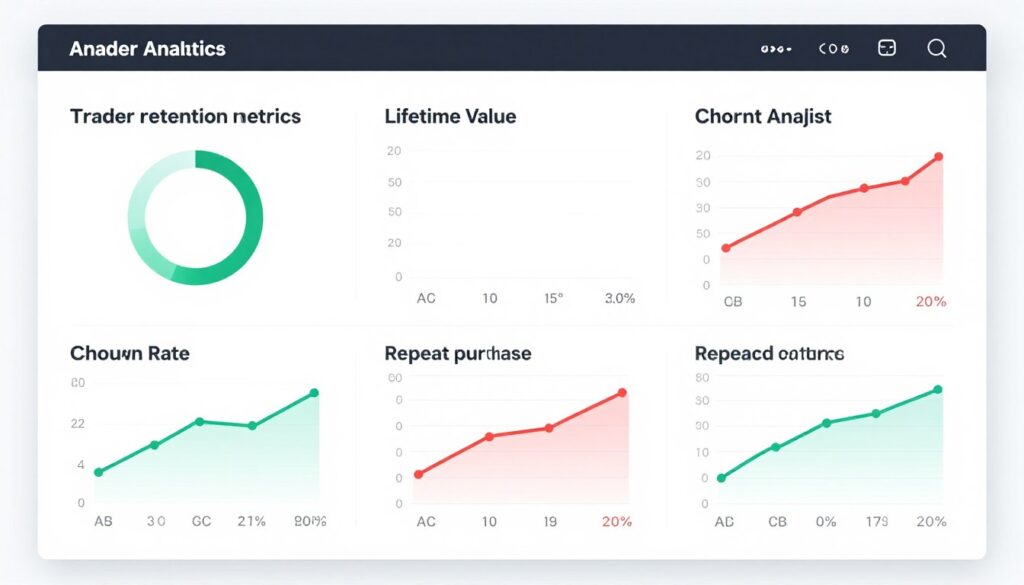
Acquiring new challenge participants represents only the beginning. Long-term profitability depends on trader retention and repeat purchases. Traders who pass challenges and trade funded accounts generate ongoing revenue. Those who fail often retry with additional challenge purchases. Strategic retention focus dramatically improves marketing ROI.
Most prop firms concentrate exclusively on acquisition. Smart operators recognize that retention drives sustainable growth. Reducing churn by just 5% can increase profits by 25-95% according to research across industries. The prop trading business model naturally benefits from this dynamic through recurring challenge attempts and ongoing funded trader relationships.
Onboarding Experience That Sets Up Success
First impressions significantly impact retention. Exceptional onboarding reduces early abandonment and increases challenge completion rates. Guide new traders through platform setup comprehensively. Explain rules clearly with examples. Provide strategy resources helping traders approach evaluation intelligently.
Proactive communication throughout the challenge journey keeps traders engaged. Send encouraging messages at key milestones. Alert traders approaching drawdown limits before violations. Celebrate partial progress toward profit targets. This supportive approach builds loyalty and increases likelihood of repeat attempts after failures.
Retention-Focused Onboarding
- Comprehensive platform walkthrough video
- Personalized welcome email from founder
- Clear rules explanation with examples
- Strategy guide for challenge success
- Risk management calculator tool
- Direct support contact information
- Community introduction and access
- Progress tracking dashboard tour
Common Onboarding Failures
- Generic automated welcome only
- Unclear or confusing rule presentation
- No guidance on challenge approach
- Lack of ongoing communication
- Difficult-to-find support resources
- No community connection facilitation
- Missing progress visibility tools
- Abandoning traders after purchase
Re-engagement After Challenge Failures
Most traders fail their first challenge attempt. Your response to failure determines whether they retry with your firm or seek alternatives. Compassionate communication acknowledges disappointment while encouraging growth. Analyze their trading data providing specific improvement recommendations. Offer retry discounts reducing friction for subsequent attempts.
Segment failed traders based on their specific violation. Those who exceeded drawdown limits need risk management education. Traders who missed profit targets might benefit from patience coaching. Violations of specific rules indicate need for clearer understanding. Personalized follow-up dramatically increases retry rates compared to generic messaging.
Failed Trader Re-engagement Sequence
- Immediate Acknowledgment (Same Day): Send empathetic message acknowledging failure. Normalize the experience mentioning average attempts before success. Avoid sales pressure entirely in first communication.
- Personalized Analysis (2 Days Later): Provide specific insights about their trading performance. Identify exact areas needing improvement. Offer educational resources addressing their weaknesses.
- Retry Incentive (5 Days Later): Present special discount on next challenge attempt. Frame retry as learning opportunity with better preparation. Include success stories from traders who failed initially.
- Strategy Consultation Offer (10 Days Later): Invite traders to optional consultation call. Discuss their approach and potential adjustments. Build relationship beyond transactional interaction.
- Final Outreach (21 Days Later): Last attempt to re-engage before moving to general nurture sequence. Strong incentive combined with expiration deadline. Clear pathway to restart challenge journey.
Retention Metric: Track “Retry Rate” as a key performance indicator. Calculate the percentage of failed traders who attempt additional challenges within 90 days. Industry averages range from 15-30%. Exceptional firms achieve 40-50% retry rates through strategic re-engagement.
Building Long-Term Funded Trader Relationships
Traders who pass challenges and receive funded accounts represent your most valuable customers. They generate ongoing revenue through profit splits. They become brand advocates sharing success stories. They provide valuable feedback improving your program. Prioritize funded trader satisfaction and support.
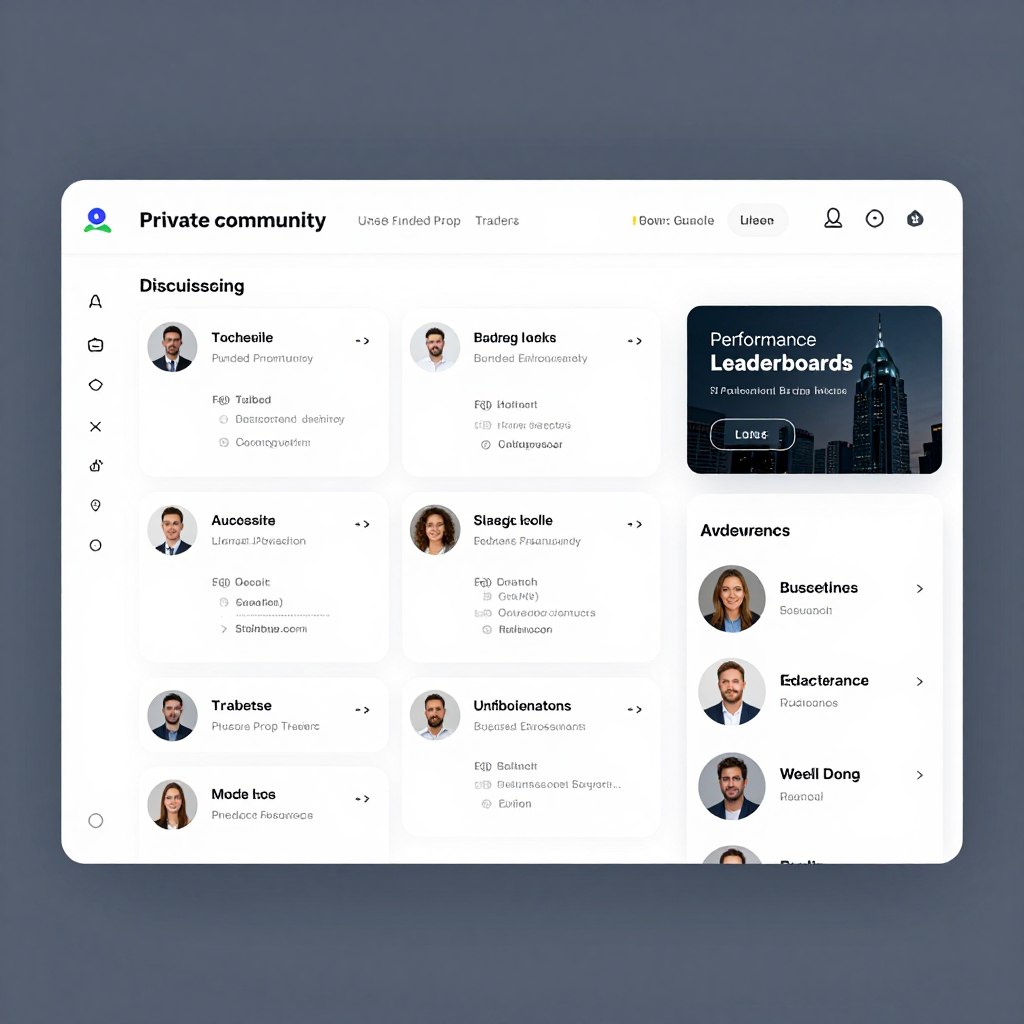
Create exclusive benefits for funded traders reinforcing their elite status. Offer scaling opportunities for consistent performance. Provide advanced education and strategy resources. Facilitate peer connections through exclusive community access. Recognition programs celebrating achievements build emotional connection and loyalty.
Exclusive Community Access
Private forum or Discord server for funded traders only. Facilitate peer learning and strategy sharing. Host regular live sessions with professional traders.
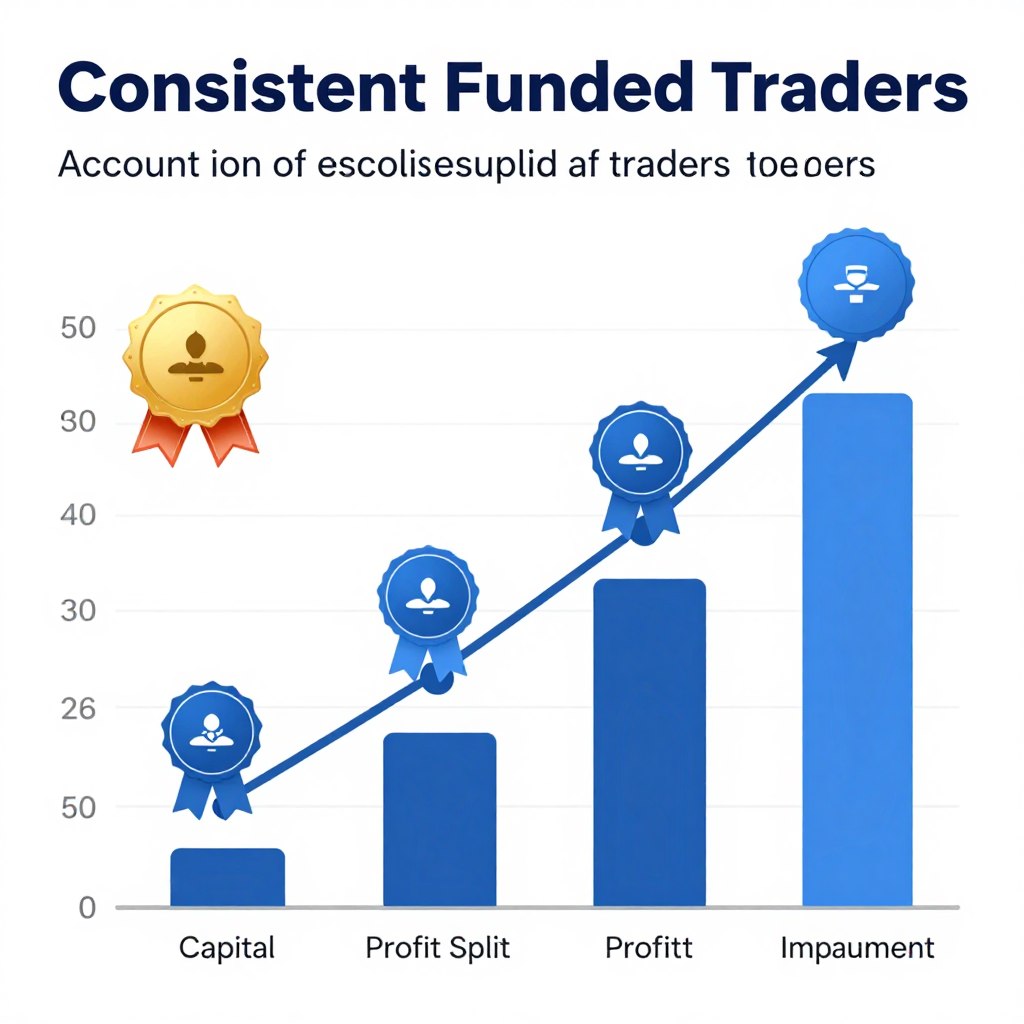
Account Scaling Programs
Clear pathway for capital increases based on consistent performance. Automatic scaling at defined milestones. Improved profit splits for long-term success.
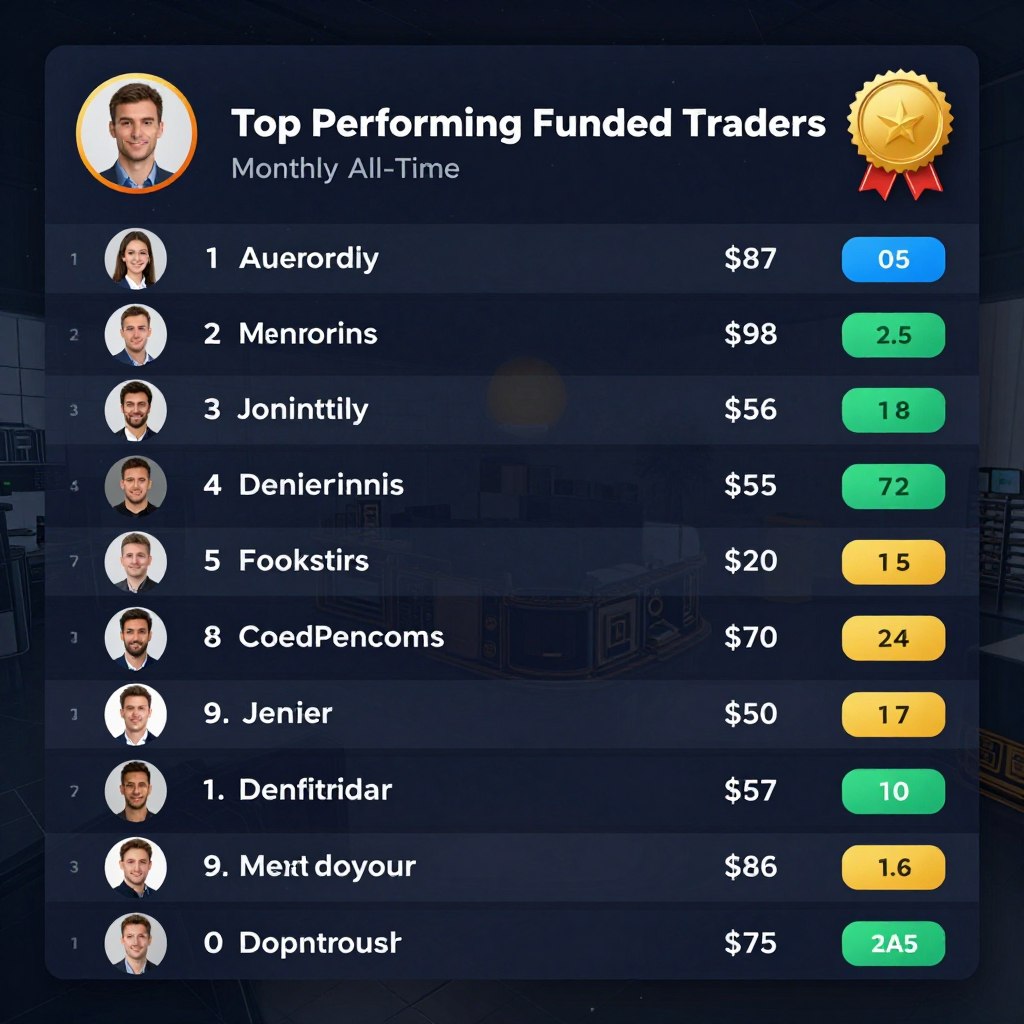
Recognition and Rewards
Public acknowledgment of consistent performers. Featured trader spotlights and interviews. Bonus rewards for milestone achievements and longevity.
Marketing Analytics and Performance Measurement
Data-driven decision making separates successful prop firm marketing from wasted budget. Comprehensive tracking reveals which strategies deliver results. Analytics identify underperforming campaigns requiring optimization or elimination. Regular measurement creates accountability and enables continuous improvement.
Effective measurement extends beyond vanity metrics. Website traffic matters less than conversion rates. Social media followers mean nothing without engagement. Focus on metrics directly tied to business outcomes. Track cost per acquisition, customer lifetime value, and marketing ROI across all channels.
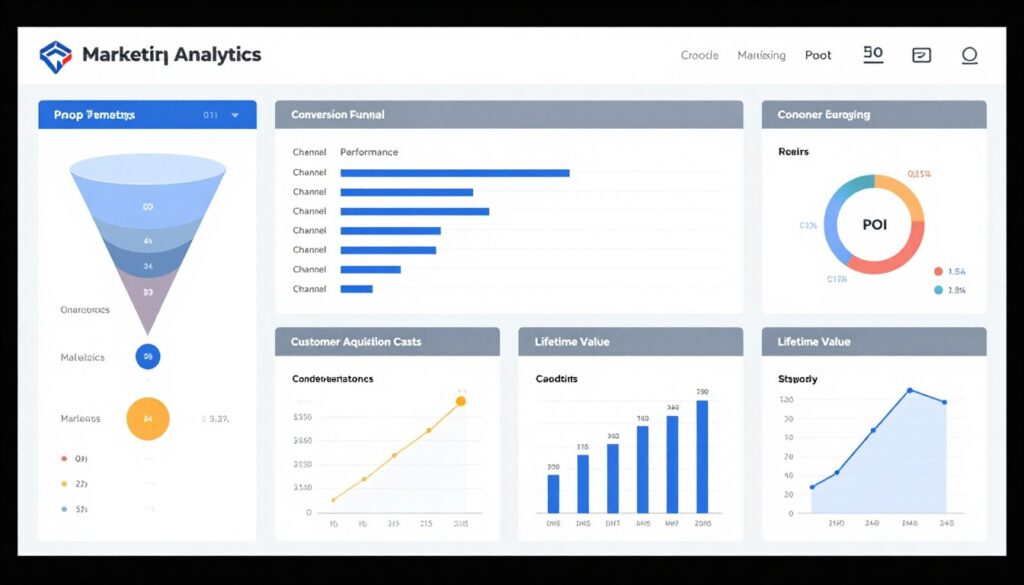
Essential Marketing Metrics for Prop Firms
Certain metrics provide crucial insights into marketing effectiveness. Cost per acquisition reveals channel efficiency. Customer lifetime value determines sustainable acquisition costs. Conversion rates identify optimization opportunities. Retention metrics highlight relationship strength. Together these measurements paint a complete performance picture.
Calculate metrics consistently using standardized definitions. Track trends over time rather than isolated snapshots. Compare performance across channels and campaigns. Set realistic benchmarks based on industry standards and your historical data. Regular review sessions keep teams focused on meaningful improvements.
| Metric | Definition | Calculation Method | Industry Benchmark | Optimization Opportunity |
| Cost Per Acquisition (CPA) | Total marketing spend divided by challenge purchases | Total Marketing Spend ÷ Number of Purchases | $50-150 per challenge purchase | Reduce by improving conversion rates and targeting |
| Customer Lifetime Value (LTV) | Total revenue generated from average customer | Avg Purchase Value × Purchase Frequency × Retention Period | $300-800 depending on retry rates | Increase through retention and repeat purchases |
| Conversion Rate | Percentage of visitors who purchase challenges | Purchases ÷ Total Visitors × 100 | 1-3% for cold traffic, 5-10% for retargeting | Improve landing pages and reduce friction |
| Email Open Rate | Percentage of recipients who open emails | Emails Opened ÷ Emails Delivered × 100 | 20-30% for prop firm emails | Test subject lines and sender names |
| Return on Ad Spend (ROAS) | Revenue generated per dollar of ad spend | Revenue from Ads ÷ Ad Spend | 3:1 to 5:1 ratio | Focus budget on highest performing channels |
| Retry Rate | Percentage of failed traders who attempt again | Repeat Purchases ÷ Failed Challenges × 100 | 15-30% within 90 days | Improve re-engagement sequences |
Attribution Modeling for Multi-Touch Journeys
Traders rarely convert after single touchpoint exposure. Most interact with multiple marketing channels before purchasing. Attribution modeling assigns credit to various touchpoints throughout the customer journey. Understanding multi-touch attribution prevents over-investment in last-click channels while under-funding awareness efforts.
Different attribution models suit different business objectives. Last-click attribution credits the final interaction before purchase. First-click attribution emphasizes initial awareness channels. Linear attribution distributes credit equally. Time-decay attribution gives more weight to recent interactions. Test multiple models understanding how each portrays channel contribution.
Attribution Model Comparison
Each model reveals different insights about marketing effectiveness:
- Last-Click: Credits the final touchpoint only. Overvalues bottom-funnel channels.
- First-Click: Credits initial interaction only. Overvalues awareness channels.
- Linear: Distributes credit equally. Oversimplifies complex journeys.
- Time-Decay: Weights recent touches more heavily. Balances awareness and conversion.
- Position-Based: Credits first and last touches most. Recognizes awareness and conversion importance.
- Data-Driven: Uses machine learning for optimal credit distribution based on actual patterns.
Implementation Tip: Start with last-click attribution for simplicity. Graduate to time-decay as you gather more data. Eventually implement data-driven attribution when you have sufficient conversion volume. Most prop firms need 200+ monthly conversions for reliable data-driven modeling.
Creating Actionable Reporting Dashboards
Raw data becomes actionable through clear visualization and reporting. Executive dashboards display high-level KPIs at a glance. Detailed reports enable deep analysis of specific channels and campaigns. Automated reporting saves time while ensuring consistent measurement. Customize dashboards for different stakeholders and their information needs.
Effective dashboards prioritize clarity over comprehensiveness. Display the most important metrics prominently. Use visual indicators showing whether performance exceeds or misses targets. Include trend lines revealing performance direction. Provide drill-down capability for detailed investigation when needed.
Implementation Roadmap for Prop Firm Marketing Success
Comprehensive strategy means nothing without systematic execution. Most prop firms feel overwhelmed attempting to implement everything simultaneously. Prioritized implementation prevents paralysis and generates momentum through early wins. This roadmap structures your marketing transformation into manageable phases.
Begin with foundational elements enabling all subsequent tactics. Establish clear positioning and messaging first. Implement essential tracking and analytics. Build core website pages optimized for conversion. These foundations support every other marketing initiative you’ll launch.
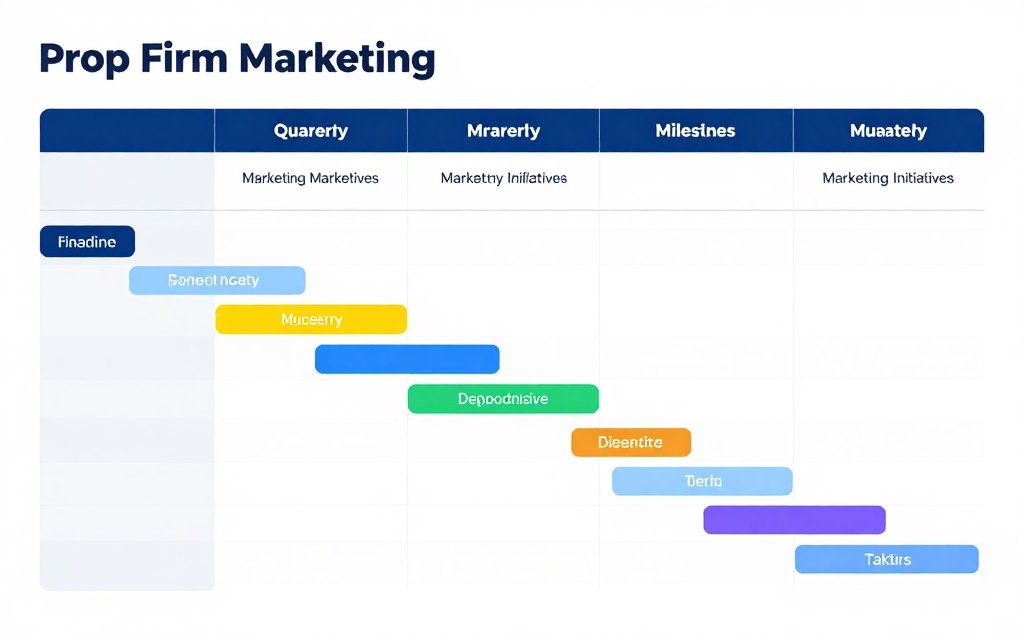
Phase 1: Foundation Building (Months 1-2)
Foundational work creates infrastructure for all marketing activities. Establish your value proposition and competitive positioning clearly. Document ideal customer personas guiding targeting decisions. Implement comprehensive analytics tracking every important action. These elements inform and enable everything that follows.
- Define Your Unique Value Proposition: Articulate precisely why traders should choose your firm challenge over alternatives. Document core differentiators and key benefits. Test messaging with target audience members gathering feedback.
- Develop Detailed Customer Personas: Create 3-5 personas representing your ideal traders. Include demographics, psychographics, motivations, and objections. Reference personas in all creative and targeting decisions.
- Implement Comprehensive Tracking: Install analytics on all properties. Set up conversion tracking for challenge purchases. Implement event tracking for key user behaviors. Establish baseline metrics before launching initiatives.
- Optimize Core Website Pages: Redesign homepage for clarity and conversion. Create dedicated challenge landing pages. Build comparison page addressing competitive research. Ensure mobile optimization across all pages.
- Establish Email Infrastructure: Choose email service provider and implement. Create welcome sequence for new subscribers. Set up automated abandoned cart recovery. Build foundational nurture sequences.
Phase 2: Traffic Generation (Months 3-4)
With foundations established, focus shifts to driving qualified traffic. Launch paid advertising campaigns targeting high-intent keywords and audiences. Begin content creation attracting organic search traffic. Initiate social media presence building awareness and engagement.
- Launch Google Ads Campaigns: Start with branded keywords protecting your firm name. Add high-intent commercial keywords gradually. Implement retargeting for website visitors. Allocate budget based on early performance data.
- Create Core Content Assets: Publish comprehensive guide to passing challenges. Write detailed comparison articles mentioning competitors. Develop educational content targeting top-of-funnel keywords. Optimize all content for search engines.
- Begin Social Media Marketing: Establish presence on platforms where traders congregate. Share valuable content without excessive promotion. Engage authentically with community discussions. Test paid social campaigns on Facebook and Instagram.
- Develop YouTube Channel: Create channel featuring trading education and firm information. Publish platform walkthrough and rules explanation videos. Film trader testimonials and success stories. Optimize videos for search discovery.
- Initiate Community Building: Launch Discord server or private forum. Encourage interaction between traders. Host regular Q&A sessions and discussions. Facilitate peer learning and support.
Phase 3: Conversion Optimization (Months 5-6)
Traffic generation without conversion optimization wastes resources. Systematically test and improve key pages and processes. Implement abandoned cart recovery. Enhance trust signals and social proof. Every incremental conversion improvement compounds traffic investments.
- Conduct Conversion Rate Audit: Analyze user behavior on key pages. Identify friction points and abandonment triggers. Survey visitors who left without purchasing. Prioritize optimization opportunities by potential impact.
- Implement A/B Testing Program: Test headlines on landing pages. Experiment with CTA button colors and copy. Compare different social proof presentations. Run tests to statistical significance before implementing winners.
- Enhance Trust and Credibility: Add verified trader testimonials prominently. Display payout proofs and success statistics. Implement trust badges and security seals. Create transparency reports about firm performance.
- Streamline Purchase Process: Reduce form fields to essential information only. Add progress indicators to checkout flow. Implement one-click payment options. Test different pricing presentations and guarantee messaging.
- Optimize for Mobile Conversions: Ensure flawless mobile checkout experience. Test on various devices and screen sizes. Simplify navigation for touch interfaces. Improve mobile page speed aggressively.
Phase 4: Scaling and Retention (Months 7-12)
Proven tactics deserve increased investment. Scale winning campaigns and channels. Launch partnership programs multiplying reach. Implement comprehensive retention strategies maximizing customer lifetime value. This phase transforms initial traction into sustainable growth engine.
Scale Winning Channels
Increase budget allocation to highest-performing campaigns. Expand keyword coverage in profitable categories. Launch additional content in successful formats. Replicate proven strategies across new platforms.
- Expand Google Ads to additional keyword groups
- Increase budget on best-performing social campaigns
- Create more content in top-performing topics
- Launch international campaigns in new markets
Launch Partnership Programs
Recruit trading educators and influencers as affiliates. Create compelling commission structures. Provide comprehensive promotional support. Build relationships with key industry partners.
- Develop affiliate program infrastructure
- Recruit 10-20 initial affiliate partners
- Create marketing assets for partners
- Implement performance tracking and payouts
Implement Retention Systems
Focus on keeping traders engaged long-term. Build re-engagement sequences for failed challenges. Create exclusive funded trader programs. Develop scaling opportunities for consistent performers.
- Launch comprehensive re-engagement campaigns
- Create exclusive funded trader community
- Implement account scaling programs
- Develop trader recognition initiatives
Ready to Transform Your Prop Firm Marketing?
Schedule a complimentary strategy session with our team. We’ll review your current marketing, identify quick-win opportunities, and create a customized roadmap for your firm’s growth. Limited availability for deep-dive consultations.
Free 60-minute consultation. Zero obligations. Maximum value.
Achieving Sustainable Growth Through Strategic Marketing
Marketing prop firm challenges effectively requires understanding high-intent audiences deeply. Strategic positioning differentiates your firm in a crowded market. Multi-channel approach captures prospects throughout their research journey. Conversion optimization maximizes return on traffic investments. Retention focus builds sustainable long-term profitability.
Success comes from systematic implementation rather than random tactics. Begin with foundational elements creating infrastructure for growth. Layer traffic generation strategies attracting qualified prospects. Optimize aggressively converting visitors into customers. Scale winning approaches while continuously testing improvements.
The prop trading industry continues evolving rapidly. Competition intensifies as more firms enter the market. Traders become increasingly sophisticated in their evaluation process. Firms investing in professional marketing gain sustainable competitive advantages. Those relying on basic tactics struggle to attract and retain quality traders.
Remember that marketing represents investment rather than expense. Every dollar spent strategically should return multiple dollars in customer lifetime value. Track metrics rigorously measuring actual returns. Eliminate underperforming tactics quickly. Double down on proven winners relentlessly.
Start implementing today rather than waiting for perfect conditions. Marketing momentum builds gradually through consistent execution. Early efforts establish foundations enabling future scaling. Learn from initial results refining your approach continuously. Traders searching for challenges right now represent immediate opportunity.
“The best time to start building your prop firm marketing system was a year ago. The second best time is today. Every day you delay represents traders choosing competitors instead of your firm.”
Take action on the strategies outlined throughout this guide. Choose three high-impact tactics to implement immediately. Commit to 90 days of focused execution before evaluating results. Consistent effort compounds into remarkable outcomes over time. Your prop firm deserves the trader attention these strategies will deliver.
-

-

-

-