
Understanding the Social Media Engagement Revenue Connection


Social engagement represents more than vanity metrics. Each comment signals customer interest. Every share extends your brand reach. These social signals translate directly into business value when properly channeled.
The relationship between engagement rate and conversion follows predictable patterns. Brands that respond quickly to social interactions see higher purchase rates. Response time matters significantly for conversion outcomes.
Measuring What Matters for Revenue Generation
Traditional engagement metrics tell an incomplete story. Social media strategy must track metrics that connect to revenue. Volume of interactions matters less than quality of conversations.
Smart review websites monitor response-driven engagement metrics. They measure how many product question exchanges lead to affiliate clicks. They track which social media posts generate the highest conversion rate.
Engagement Metrics That Drive Sales
Focus measurement efforts on interactions that predict purchase behavior and revenue outcomes.
- Product question volume and response quality
- Share velocity on review content
- Comment sentiment analysis scores
- Click-through rates from social to reviews
- Time spent engaging with posts
- Repeat engagement from same users
Revenue Attribution Signals
Track conversion signals that demonstrate clear paths from social interactions to completed purchases.
- Affiliate link clicks from social channels
- Promo code usage rates
- Direct traffic spikes after campaigns
- Shopping cart additions within 24 hours
- Email signups from social sources
- Customer lifetime value by channel
Master Your Social Media Metrics
Download our comprehensive Revenue Optimization Checklist designed specifically for niche review websites. Track the engagement metrics that actually drive conversions and business growth.
The Attribution Challenge for Review Websites
Attribution presents unique challenges for review sites. Customers rarely purchase immediately after one social media interaction. The buyer journey spans multiple touchpoints across platforms.
A customer might discover your brand through a Facebook post. They read several reviews on your website later. Eventually they make a purchase through your affiliate link weeks after initial engagement.
Multi-touch attribution models help solve this puzzle. They assign value to each interaction along the customer path. This approach reveals which social media efforts truly drive revenue results.
Building Monetization Pathways Through Content Strategy

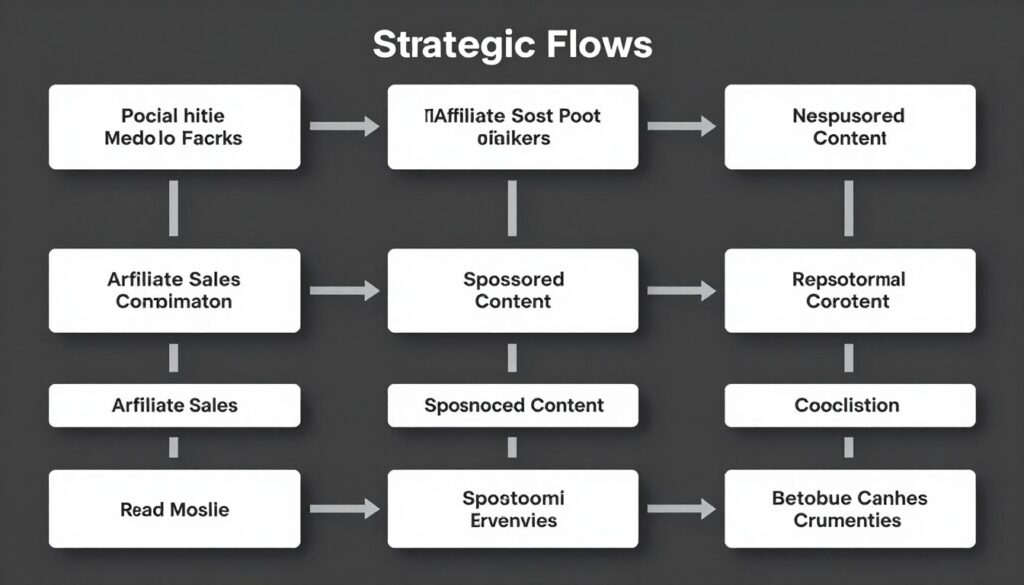
Strategic content creates natural pathways from engagement to purchase. Your social posts should guide followers toward revenue-generating actions. Each piece of content serves a specific role in the conversion funnel.
Review websites succeed by matching content types to buyer journey stages. Awareness content attracts followers. Consideration content builds trust. Decision content drives conversions.
Creating Content That Converts Followers Into Customers
Conversion-focused content balances information with persuasion. Your posts educate while gently guiding toward purchase decisions. This approach maintains authenticity while driving business outcomes.
Product-focused content performs best when it addresses specific customer needs. Generic posts about products generate engagement but rarely drive sales. Targeted content answering real questions converts consistently.

Educational Content Strategy
Develop comprehensive guides that answer common product questions. Educational posts establish authority and build trust with your audience. They generate shares while positioning you as the go-to resource.
- Comparison charts between competing products
- Tutorial videos demonstrating product features
- Problem-solution framework posts
- Industry trend analysis and insights

Social Proof Integration
Leverage customer experiences to validate your recommendations. Social proof content reduces purchase hesitation and accelerates decision-making. Real results resonate more than promotional messages.
- Customer success stories with metrics
- User-generated content showcasing products
- Expert testimonials and endorsements
- Case studies with measurable outcomes

Promotional Campaign Content
Strategic promotions create urgency and drive immediate action. Limited-time offers convert fence-sitters into buyers. Balance promotional content with educational posts to maintain audience trust.
- Flash sale announcements with countdown timers
- Exclusive discount codes for followers
- Limited quantity special offers
- Seasonal promotion campaigns
Optimizing Post Timing and Frequency for Revenue
Posting schedule significantly impacts both engagement and conversion outcomes. Different platforms have optimal posting times based on user behavior patterns. Review websites must test and refine their publishing strategy.
Frequency matters as much as timing. Too many posts overwhelm followers and decrease engagement rate. Too few posts cause your brand to disappear from feeds. Finding the right balance maximizes visibility without audience fatigue.
Analytics tools reveal when your specific audience is most active. Track engagement patterns across different days and times. Schedule revenue-focused content during peak engagement windows.
Leveraging Affiliate Partnerships for Social Revenue

Affiliate marketing represents the most direct path from social engagement to revenue for review websites. Strategic partnerships amplify your earning potential while providing value to followers. The key lies in authentic recommendations that serve audience needs.
Successful affiliate integration on social media requires subtlety and transparency. Followers appreciate honest recommendations more than aggressive sales pitches. Building trust creates sustainable revenue streams that grow over time.
Selecting High-Converting Affiliate Products
Product selection determines affiliate success more than promotional tactics. Choose products that align perfectly with your niche and audience interests. Relevance drives both engagement and conversion rate simultaneously.
High-quality affiliate products solve real problems for your followers. They deliver value that justifies the purchase price. When customers succeed with your recommendations, they return for future guidance and purchases.
Affiliate Product Evaluation Framework
Use these criteria to identify affiliate opportunities that will resonate with your audience and generate consistent revenue:
- Product aligns with your review website niche and expertise
- Commission structure provides meaningful revenue per conversion
- Merchant offers reliable tracking and timely payments
- Product quality matches or exceeds customer expectations
- Competitive pricing compared to similar market options
- Brand reputation supports your credibility and authority
- Cookie duration allows for longer attribution windows
- Marketing materials and support resources available
Creating Compelling Affiliate Content for Social Platforms
Effective affiliate content focuses on benefits rather than features. Your posts should highlight how products solve specific problems. Stories and real-world applications connect better than technical specifications.
Visual content dramatically increases affiliate link clicks from social media. High-quality images and videos showcase products in authentic contexts. Demonstrations and unboxing content particularly drive purchase consideration.
Pro Strategy: Create platform-specific content variations for each affiliate promotion. Instagram favors stunning visuals, while Twitter rewards concise value propositions. Facebook groups thrive on detailed discussions and questions. Tailoring content to platform norms increases both engagement metrics and conversion outcomes.
Tracking and Optimizing Affiliate Performance
Systematic tracking reveals which affiliate partnerships generate the best returns. Monitor clicks, conversions, and revenue by product and social channel. This data guides strategic decisions about content and partnerships.
Regular optimization improves affiliate revenue over time. Test different promotional approaches for the same products. Compare results across social platforms and content formats. Double down on what works while eliminating underperformers.
Maximize Your Affiliate Revenue
Join our recommended affiliate networks that specialize in review website partnerships. Access exclusive deals, higher commission rates, and dedicated support for content creators.
Monetizing Through Sponsored Content Partnerships
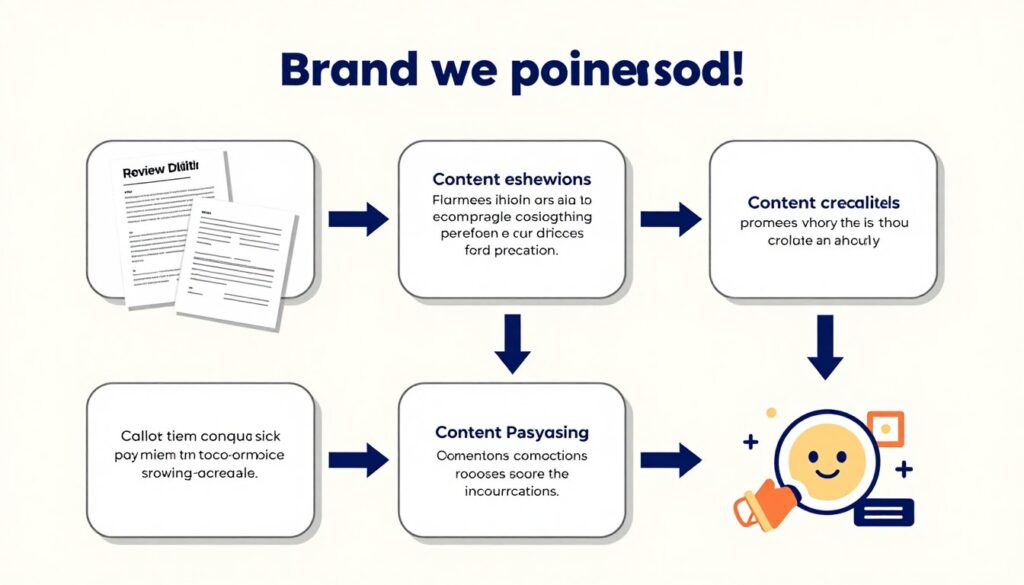
Sponsored content offers review websites direct payment for promotional posts. Brands pay for access to your engaged audience. This revenue stream complements affiliate income while diversifying your business model.
Maintaining authenticity in sponsored partnerships protects long-term audience trust. Followers value your honest opinions above everything else. Only promote products you genuinely believe will benefit your community.
Building a Media Kit That Attracts Sponsors
Professional media kits demonstrate your value to potential sponsors. They showcase your reach, engagement metrics, and audience demographics. Compelling data helps brands understand the return on their investment.
Include specific performance metrics that matter to advertisers. Engagement rate proves your audience actively participates with content. Conversion examples from past campaigns demonstrate your ability to drive results.
- Total followers across all social media platforms
- Average engagement rate by content type
- Audience demographics including age and location
- Previous campaign results with metrics and outcomes
- Content samples showcasing your style and quality
- Traffic statistics for your review website
- Testimonials from previous brand partners
- Rate card with pricing for different content types
Negotiating Sponsored Content Deals
Effective negotiation ensures fair compensation for your influence. Research market rates for creators with similar audience sizes. Don’t undervalue your platform based on nervousness about sponsor rejection.
Consider the full scope of work when pricing sponsored posts. Content creation, multiple platform posting, and usage rights all add value. Factor in the time investment required to produce quality branded content.
Standard Sponsored Post Elements
Basic sponsored content typically includes these components at minimum:
- Original social media post on primary platform
- High-quality images or video content
- Caption with brand messaging and hashtags
- Proper FTC disclosure of partnership
- Performance reporting after campaign
Premium Package Add-Ons
Increase deal value by offering these enhanced services:
- Cross-posting to multiple social channels
- Dedicated blog review on your website
- Instagram Stories sequence or Reels
- Extended usage rights for brand marketing
- Follow-up posts extending campaign reach
Maintaining Disclosure and Transparency
Legal requirements mandate clear disclosure of sponsored content. The FTC requires obvious identification of paid partnerships. Failure to disclose properly risks fines and audience trust.
Transparency actually strengthens relationships with followers. Audiences respect creators who clearly identify sponsored content. Honest disclosure demonstrates integrity and professionalism.
Use platform-specific disclosure features when available. Instagram’s “Paid Partnership” tag and YouTube’s sponsorship checkbox provide built-in transparency. Supplement with clear language in captions and descriptions.
Implementing Direct Sales Strategies on Social Media
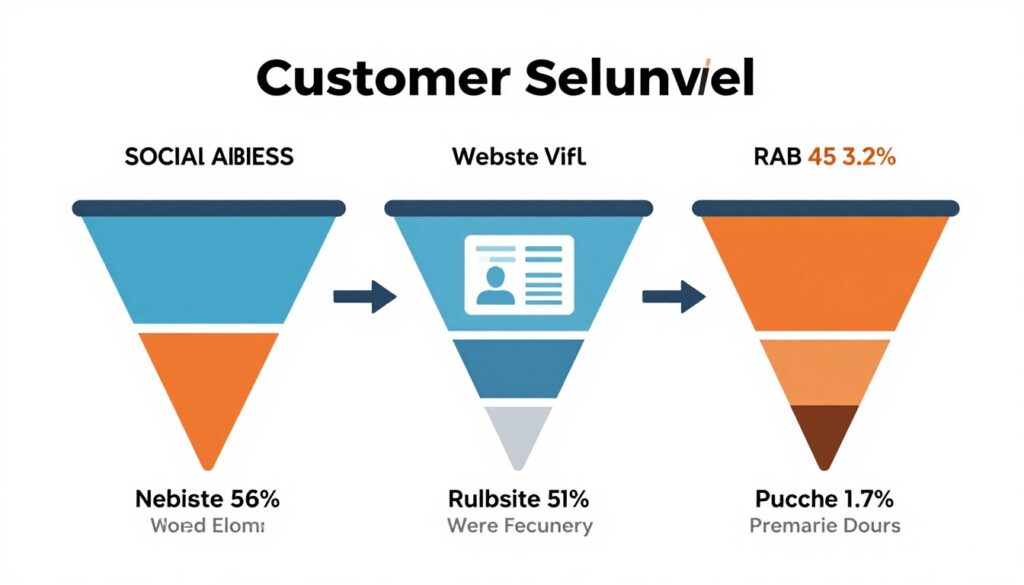
Direct sales through social media eliminate middlemen and maximize profit margins. Review websites can sell digital products, courses, or consulting services directly to followers. This approach builds business value beyond affiliate commissions.
Social commerce features enable seamless purchasing experiences. Instagram Shopping, Facebook Marketplace, and Pinterest Product Pins reduce friction between discovery and purchase. Simplified checkout processes increase conversion rate significantly.
Developing Digital Products Your Audience Wants
Successful digital products solve specific problems for your niche audience. Listen to the product question patterns in comments and messages. These inquiries reveal unmet needs you can address profitably.
Digital products scale infinitely without inventory costs. Create them once and sell repeatedly. This business model generates passive revenue while you sleep.
Comprehensive Review Guides
Package your expertise into detailed buying guides covering specific product categories. Customers pay for curated research that saves them time and prevents bad purchases.
Exclusive Video Courses
Teach your specialized knowledge through structured video courses. Followers pay premium prices for in-depth training that delivers transformation and results.
Membership Communities
Build recurring revenue through exclusive membership programs. Members pay monthly for premium content, early access, and community connections.
Optimizing Social Commerce Features
Platform shopping features streamline the path from discovery to purchase. Instagram Shopping tags products directly in posts and Stories. Facebook Shops create full storefronts within the social platform.
Reduce friction at every stage of the buying process. Complicated checkout procedures kill conversions. The fewer clicks between interest and purchase, the higher your sales volume.
High-quality product photography drives social commerce success. Professional images showcase items attractively while setting accurate expectations. Consistent visual branding builds recognition across posts.
Launch Your Social Commerce Store
Our partner platforms make it easy to sell digital products directly through social media. Set up your storefront in minutes and start generating direct sales from your engaged followers.
Using Analytics to Optimize Revenue Performance
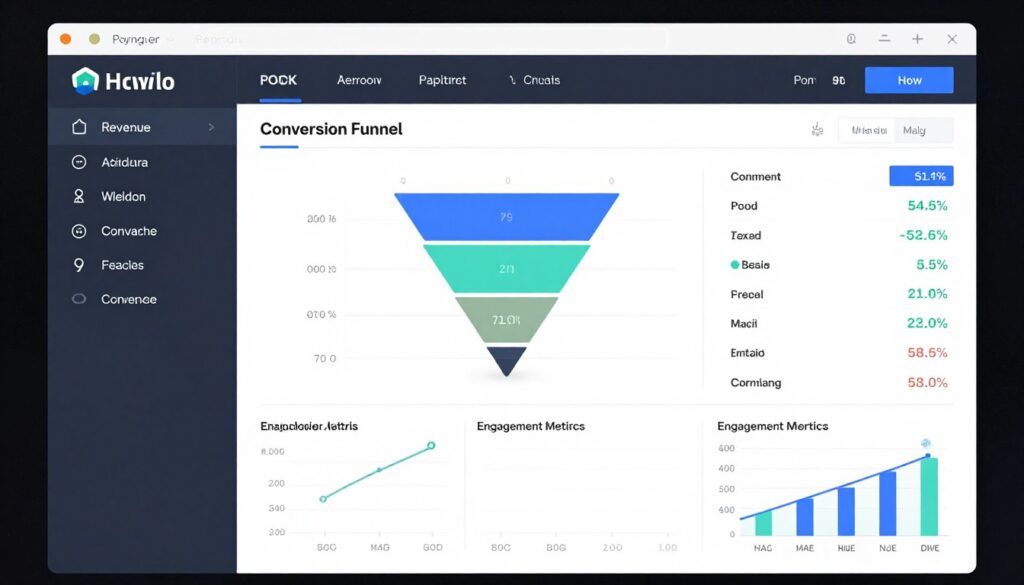
Data-driven decisions separate thriving review websites from struggling ones. Analytics reveal which strategies generate actual revenue versus empty engagement. Regular analysis helps you invest time and resources wisely.
Multiple analytics tools provide different insights. Social media platform analytics track engagement on each channel. Google Analytics reveals traffic sources and conversion paths. Affiliate dashboards show which products generate commissions.
Essential Metrics for Revenue Tracking
Focus on metrics that directly correlate with business outcomes. Follower count matters less than conversion rate and customer lifetime value. Prioritize data that informs strategic decisions about content and partnerships.
Revenue attribution connects social media efforts to actual sales. Track which posts and campaigns drive the most profitable actions. This insight guides future content strategy effectively.
| Metric Category | Key Indicators | Tracking Method | Revenue Impact |
| Engagement Metrics | Likes, comments, shares, saves | Platform native analytics | Indirect – builds awareness |
| Traffic Metrics | Click-through rate, website visits | UTM parameters, link tracking | Medium – drives consideration |
| Conversion Metrics | Purchase rate, signup rate, lead generation | Conversion pixels, affiliate tracking | High – directly measures sales |
| Revenue Metrics | Total revenue, ROI, customer lifetime value | Sales platforms, financial tracking | Critical – bottom line results |
| Attribution Metrics | First touch, last touch, multi-touch attribution | Marketing attribution software | Strategic – reveals true impact |
Setting Up Proper Tracking Infrastructure
Comprehensive tracking requires technical setup before launching campaigns. Install conversion pixels from advertising platforms. Configure Google Analytics with proper goal tracking. Create unique affiliate links for each social channel.
UTM parameters enable granular tracking of social media traffic. These tags identify exactly which post drove each website visit. This precision helps you understand true content performance.
- Install Facebook Pixel and other platform tracking codes on your review website
- Configure Google Analytics goals for key conversion actions like purchases and signups
- Create unique affiliate tracking links for each social media platform and campaign
- Implement UTM parameter structure consistently across all social posts containing links
- Set up conversion tracking in your email marketing platform for newsletter signups
- Connect your e-commerce platform to analytics tools for seamless revenue tracking
Conducting Regular Performance Reviews
Schedule monthly reviews of your social media revenue performance. Compare results against previous periods and goals. Identify trends in what content types and strategies drive the best outcomes.
Document insights from each analysis session. Note which tactics exceeded expectations and which underperformed. This historical record guides continuous improvement over time.
Share analytics insights with any team members or contractors. Collective understanding of performance data aligns everyone toward revenue goals. Transparency about results motivates better execution.
Scaling Social Engagement Revenue Strategies
Initial success with social media monetization creates opportunities for strategic growth. Scaling requires systematic processes that maintain quality while increasing volume. Smart expansion multiplies revenue without proportional time investment.
Review websites that scale successfully automate repetitive tasks. They build systems for content creation, community management, and partner communications. This infrastructure supports growth beyond solo operator capacity.
Automating Social Media Management
Automation tools free time for strategic activities that drive revenue. Schedule posts in advance across multiple platforms simultaneously. Use chatbots to handle common product question inquiries instantly.
Smart automation maintains the human connection your audience values. Balance scheduled content with real-time engagement. Respond personally to comments on high-performing revenue posts.


Essential Automation Tools
These platforms help scale your social media revenue efforts efficiently:
- Scheduling platforms for multi-channel post distribution
- AI chatbots for instant customer question responses
- Link tracking tools for automated attribution
- Content curation systems for consistent posting
- Analytics dashboards consolidating all metrics
- Email automation for lead nurturing sequences
Building a Content Creation Team
Consistent content production becomes challenging as your review website grows. Building a team distributes workload while maintaining quality standards. Freelancers and contractors offer flexible scaling options.
Document your content standards and brand voice clearly. Create templates and guidelines that ensure consistency across creators. Regular feedback sessions maintain quality as volume increases.
Specialized roles amplify results beyond generalist approaches. A dedicated video editor produces better visual content. A copywriter crafts more compelling captions. Strategic delegation maximizes everyone’s strengths.
Expanding to Additional Social Platforms
Multi-platform presence multiplies your reach and revenue potential. Each social media channel attracts different audience segments. Strategic expansion captures customers across their preferred platforms.
Focus on platforms where your target audience actively engages. Research demographic data for each channel before investing resources. A smaller engaged following outperforms massive inactive audiences.
Benefits of Platform Expansion
- Access to diverse audience demographics and psychographics
- Multiple revenue streams reduce dependency on single channel
- Platform-specific features enable unique monetization approaches
- Cross-promotion opportunities increase overall brand visibility
- Algorithm changes on one platform impact business less severely
Expansion Challenges to Consider
- Content adaptation requires time and creative resources
- Each platform demands consistent engagement and community management
- Learning curve for new platform features and best practices
- Splitting focus may dilute performance on existing channels
- Analytics tracking becomes more complex across multiple platforms
Developing Strategic Brand Partnerships
Long-term brand relationships provide stable revenue and reduce acquisition effort. Companies prefer ongoing partnerships with proven performers. Demonstrate consistent results to negotiate better terms over time.
Exclusive partnerships command premium rates when appropriate. Brands pay more for guaranteed visibility without competitor interference. Evaluate exclusivity requests carefully against potential opportunity costs.
Co-create content with brand partners for authentic integration. Collaborative development produces better results than generic sponsored posts. Partners appreciate creators who invest in campaign success.
Scale Your Social Media Revenue
Get personalized guidance on scaling your review website’s social media monetization. Our expert consultants analyze your current performance and create a custom growth roadmap tailored to your niche and goals.
Common Mistakes That Kill Social Revenue
Many review websites sabotage their own revenue potential through preventable errors. Understanding common pitfalls helps you avoid costly mistakes. Learning from others’ failures accelerates your path to success.
These mistakes aren’t always obvious when you’re building your strategy. They creep into operations gradually. Regular audits help identify problems before they seriously damage results.
Over-Promotion and Audience Fatigue
Excessive promotional content drives followers away rapidly. People follow review websites for valuable information, not constant sales pitches. Balance promotional posts with genuinely helpful educational content.
The optimal ratio varies by niche and audience expectations. Test different content mixes while monitoring engagement metrics closely. Drop-offs in engagement rate signal you’ve crossed into over-promotion territory.
Promotional fatigue manifests through declining reach and interaction. Followers stop engaging when they feel constantly sold to. Rebuilding trust after damaging it takes significant time and effort.
Ignoring Platform-Specific Best Practices
Each social media platform has unique characteristics and user expectations. Content that performs excellently on Instagram may flop on LinkedIn. Adapt your approach to match platform culture and norms.
Post formats matter significantly for algorithm performance. Instagram prioritizes Reels currently. LinkedIn favors native articles over external links. Understanding these preferences improves organic reach dramatically.
Hashtag strategies differ across platforms. Instagram posts benefit from numerous relevant hashtags. Twitter hashtags should be minimal and strategic. Research current best practices for each channel.
Neglecting Community Engagement
Broadcasting content without engaging followers kills relationship building. Social media rewards conversations, not monologues. Respond to comments thoughtfully and consistently.
Quick response time significantly impacts conversion outcomes. Potential customers who ask product question expect timely answers. Delayed responses often mean lost sales to faster competitors.
- Reply to comments within the first hour after posting for maximum visibility
- Answer direct messages professionally and promptly, ideally within 24 hours
- Acknowledge both positive feedback and constructive criticism gracefully
- Create content directly responding to frequent audience questions
- Host live sessions for real-time interaction and community building
- Feature user-generated content to celebrate your community members
Poor Tracking and Attribution
Flying blind without proper analytics wastes resources on ineffective strategies. You can’t optimize what you don’t measure accurately. Invest time in setting up comprehensive tracking systems.
Many creators attribute success incorrectly because of inadequate tracking. They scale strategies that don’t actually drive revenue. Proper attribution reveals true performance.
Technical tracking issues often go unnoticed for months. Regularly verify that pixels, links, and analytics continue functioning properly. Monthly technical audits prevent data gaps.
Future Trends in Social Media Monetization

Social media platforms continuously evolve their monetization features. Staying ahead of trends positions your review website for sustained growth. Early adoption of new features often provides competitive advantages.
Emerging technologies create fresh opportunities for creative monetization. Video commerce, virtual experiences, and AI-powered personalization reshape how customers discover and purchase products. Adaptable creators thrive through these transitions.
The Rise of Social Commerce Integration
Native shopping experiences within social platforms eliminate friction from purchase journeys. Customers complete transactions without leaving their favorite apps. This convenience drives higher conversion rate for sellers.
Live shopping events combine entertainment with immediate purchase opportunities. Hosts demonstrate products while viewers buy in real-time. This format particularly succeeds in certain niches and demographics.
Augmented reality try-on features reduce purchase hesitation. Customers visualize products in their own environment before buying. Review websites that incorporate these technologies gain credibility and drive more sales.
Short-Form Video Dominance
Short-form video content dominates social media engagement currently. Platforms prioritize video in their algorithms aggressively. Review websites must adapt content strategy to emphasize video production.
TikTok revolutionized how brands connect with younger audiences. Instagram Reels and YouTube Shorts followed this trend. Mastering short-form video creation becomes essential for reaching new customers.
Educational video content performs exceptionally well for review websites. Quick tips, product comparisons, and demonstration videos attract engaged viewers. These formats naturally lead to affiliate clicks and conversions.
Artificial Intelligence and Personalization
AI tools help creators produce more content with less effort. Automated caption generation, image enhancement, and video editing accelerate production. Strategic AI adoption multiplies output without sacrificing quality.
Personalized content recommendations increase relevance for each follower. Platforms use AI to show users content matching their interests. Creating diverse content increases chances of algorithmic distribution.
Chatbots powered by advanced AI provide sophisticated customer service. They handle product question inquiries, recommend items, and guide purchasing decisions. This automation scales personalized service economically.
Important Consideration
While AI tools offer tremendous efficiency gains, maintain authentic human connection with your audience. Followers can detect overly automated interactions. Use AI to enhance your capabilities, not replace genuine engagement that builds trust and drives conversions.
Transforming Engagement Into Sustainable Revenue
Social Media Engagement Revenue strategies empower niche review websites to monetize their influence effectively. The path from likes and comments to actual sales requires strategic planning and consistent execution. Success comes from understanding your audience deeply and serving their needs authentically.
Multiple revenue streams create business stability and growth potential. Affiliate partnerships provide transaction-based income. Sponsored content delivers project revenue. Direct product sales build long-term asset value. Diversification protects against platform changes and market shifts.
Data-driven optimization separates top performers from struggling creators. Track metrics that matter for business outcomes. Test different approaches systematically. Scale what works while eliminating what doesn’t. Continuous improvement compounds results over time.
The social media landscape evolves constantly. Platform features change. Algorithm priorities shift. New competitors emerge regularly. Adaptability ensures your monetization strategy remains effective despite these changes.
Building sustainable social media revenue takes time and persistence. Early efforts may produce modest results. Consistency and optimization gradually increase returns. Many review websites see exponential growth after establishing strong foundations.
Community relationships form the foundation of long-term success. Followers who trust your recommendations become repeat customers. They refer friends and family to your content. This organic growth creates compounding business value beyond individual transactions.
Ready to Transform Your Social Media Into Revenue?
Take action today with our comprehensive Social Media Monetization Toolkit. Get templates, checklists, and step-by-step guides designed specifically for niche review websites. Start implementing these proven strategies immediately.
Your existing social engagement represents untapped revenue potential. The strategies outlined here provide a roadmap for capturing that value systematically. Implementation separates knowledge from results. Start with one strategy and expand as you build confidence and see outcomes.
The opportunity to monetize social media engagement has never been greater. Platforms provide sophisticated tools for creators. Audiences increasingly purchase through social channels. Review websites positioned at the intersection of content and commerce thrive in this environment.
Success requires balancing authentic value creation with strategic monetization. Never sacrifice audience trust for short-term revenue. Sustainable business growth comes from serving customers genuinely while capturing fair compensation for that service.
-

-

-

-