Passwords are a weak link in your security. They are often guessed, stolen, or reused. This leaves your data at risk. For businesses, a strong security strategy is now a must.
This implementation guide for 2026 is here to help. It adds a key step to check who’s logging in. This blocks unwanted access.
We aim to make these security steps easy for everyone. By following these steps, you’ll lower data breach risks. You’ll also gain your users’ trust. Let’s strengthen your platform’s defense together.
Key Takeaways
- Passwords alone are insufficient to protect modern digital assets.
- Adding a secondary verification layer creates a critical security checkpoint.
- This approach significantly lowers the risk of unauthorized account access.
- Modern security standards are essential for maintaining user trust.
- Technical and non-technical teams can easily adopt these protective measures.
Understanding Two-Factor Authentication
In today’s digital world, just a password isn’t enough. It’s like locking your door but leaving the window open. To keep your website security strong, you need more than just a password.
What is Two-Factor Authentication?
Two-factor authentication (2FA) asks for two types of ID to access an account. This makes sure even if someone gets your password, they can’t get in. It adds an extra layer of protection.
True 2FA uses three kinds of verification. These are designed to work alone for better safety:
- Knowledge factors: Something you know, like a password or PIN.
- Possession factors: Something you have, like a phone app or a key.
- Inherent factors: Something you are, like a fingerprint or face scan.
The table below shows how these factors help improve your website security:
| Factor Type | Example | Primary Benefit |
|---|---|---|
| Knowledge | Password | Easy to implement |
| Possession | Hardware Token | Hard to replicate |
| Inherent | Biometrics | Unique to the user |
Why is Two-Factor Authentication Essential?
Passwords alone can’t stop today’s cyber threats. Hackers use tools to guess passwords or buy them on the dark web.
Adding a second factor greatly lowers the risk of unauthorized access. This second step is a critical safety net for your users. When you focus on website security, you earn trust and keep sensitive data safe from hackers.
Benefits of Implementing Two-Factor Authentication
Today’s threats require a stronger online security than ever. Just a password, no matter how complex, isn’t enough. Adding a second layer of verification makes your digital assets safer.
Enhancing Security Measures
This technology creates a strong barrier against unauthorized access. Even if someone steals your primary login details, they can’t get in without the second factor. This step greatly improves your online security.
Requiring a second code or biometric scan ensures the person logging in is who they say they are. This makes it harder for attackers to succeed. It gives both the website owner and users peace of mind.
Reducing Risks of Data Breaches
One key way to stop cybercriminals is by blocking automated attacks. These attacks use stolen passwords to try to log into many accounts. But, 2FA makes these stolen passwords useless.
By using 2FA, organizations can make their online space safer. Protecting sensitive information is a key responsibility for any business. Taking steps to strengthen online security with 2FA helps prevent costly data breaches.
Popular Two-Factor Authentication Methods
Keeping user accounts safe means looking at different authentication methods used online. The right choice balances ease for users with the security your site needs.

SMS and Phone Call Verification
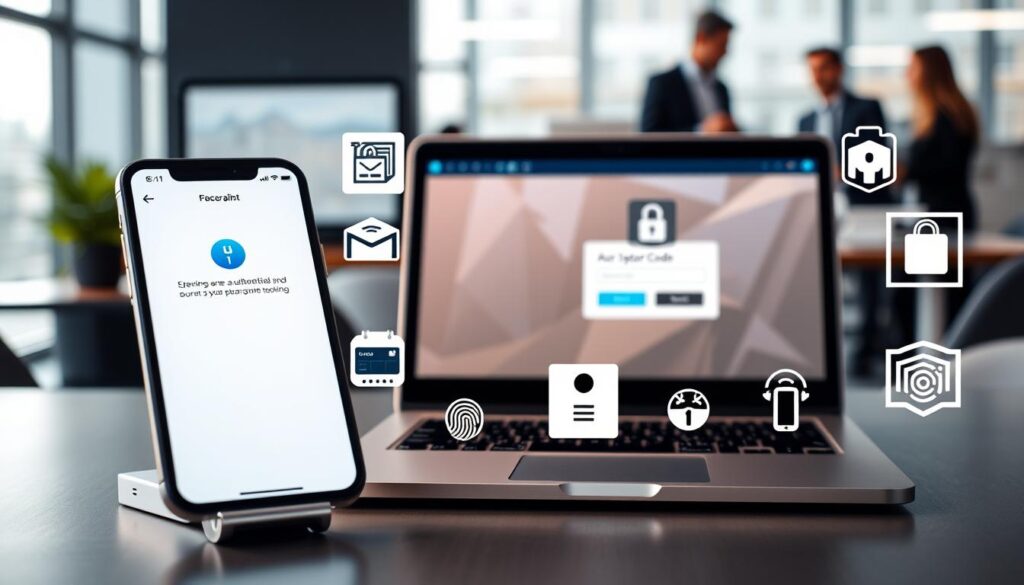
SMS verification is popular because it’s easy to use. Users get a text with a code to log in.
But, it’s not without risks. It can be hacked through SIM swapping attacks. Experts say to avoid SMS for important accounts.
Authentication Apps: Google Authenticator and Authy
For better security, apps like Google Authenticator and Authy are used. They create one-time passwords on your device.
These apps don’t use phone networks, so they’re safer than SMS. They add a strong layer of protection.
Biometric Authentication Options
Biometric scans like fingerprints and facial recognition are the latest in security. They make sure only the account owner can log in.
They’re hard to fake and make logging in smooth on mobile devices. Adding biometrics boosts security without making things harder for users.
| Method | Security Level | User Convenience | Best For |
|---|---|---|---|
| SMS/Phone | Low | High | General accounts |
| Auth Apps | High | Medium | Sensitive data |
| Biometrics | Very High | Very High | Mobile platforms |
Choosing the Right Two-Factor Authentication Solution
Finding the right security solution for your website is key. It must offer strong protection and be easy to use. Adding two-step verification is a big step towards keeping your site safe. But, the tools you pick will affect how well users like these changes.
Evaluating Different Providers
Start by looking for providers that work well with your current technology. It’s important to find companies that support modern security standards like FIDO2 or WebAuthn. Reliability is non-negotiable, so make sure they have good uptime and a strong reputation.
A good provider should have clear instructions and quick support. Choosing a partner that values two-step verification helps keep your security strong against new threats.
User Experience Considerations
Security can fail if it’s too hard for people to use. You want a system that’s easy but also protects well. If logging in is slow or hard, users might get upset and leave.
Look for solutions with intuitive interfaces and many ways to recover accounts. A good two-step verification should feel natural, not like a big obstacle. Always test how easy it is for new users to understand.
Scalability for Growth
Your security needs will change as your business grows. Choose a platform that can handle more users without slowing down. You want a solution that grows with you, not one that needs a big change later.
Cloud-based services with flexible pricing and features are best. Planning for growth now means your two-step verification will stay reliable for a long time. Scalability lets you focus on your business while keeping data safe.
Steps to Implement Two-Factor Authentication
Creating a strong defense for your user accounts starts with a clear plan. By following a logical sequence, you can make sure your website authentication is both secure and easy to use.
Preparing Your Website for Integration
First, check your backend infrastructure. Make sure your database can store extra security tokens and user preferences safely.
Also, review your login forms to add a second verification step. Preparation is the key to a smooth security upgrade.
Configuring Your Authentication System
The core of the process involves five key stages to keep your data safe. First, the user logs in, then activates the second factor. Next, the system generates a code, the user enters it, and the server checks it.
“Security is not a product, but a process.” — Bruce Schneier
You need to align these steps with your user database for top website authentication standards. Proper setup avoids delays and ensures tokens reach the right user quickly.
Testing Your Two-Factor Setup
Testing is the last step before going live. You should test various scenarios to make sure your website authentication works right under different conditions.
- Check that codes are sent and received fast.
- Test with both correct and incorrect inputs to see how errors are handled.
- Make sure the experience is smooth on both mobile and desktop.
By testing every part of the process, you give your users a reliable and trustworthy place. Regular testing helps you find and fix problems before they affect your community.
Overcoming Common Challenges
Making sure your system is both safe and easy to use is a big challenge. Secure login methods are key for keeping data safe, but they can slow things down. By getting ahead of these problems, you can create a system that people trust and like.
User Resistance to New Security Measures
People get upset when they have to change how they do things. They might see extra steps as a hassle, not a vital safety layer. To fix this, explain why these changes are important in a way that’s easy to understand.
Tell users how their data will be safer with the new secure login methods. When they see the benefits, they’re more likely to go along with it. Making the setup process easy can also help.
Compatibility with Existing Systems
Adding new security to old systems can be tricky. Older databases or apps weren’t made for today’s security. It’s smart to check your current setup before starting.
Using middleware or APIs can help connect old and new systems. This way, you can add secure login methods without changing everything. Flexibility is key when dealing with complex systems.
Troubleshooting Common Issues
Even the best systems can run into problems. One common issue is push notification fatigue. When users get too many alerts, they might ignore them or not notice them.
To fix this, use adaptive authentication to only ask for extra checks when needed. This means only checking for unusual activity, like a new device or location. If problems keep happening, make sure your support team can help users quickly.
Best Practices for Effective Two-Factor Authentication
Keeping your site secure is an ongoing task. It’s not just about setting up security once. You need to keep improving and watching out for threats. This way, your site stays safe from new digital dangers.
Keeping Your Users Informed
Being open with your users is key when you add new security steps. Explain why 2FA is important and how it keeps their data safe. Clear communication makes users more likely to use 2FA.
Make guides or tooltips to help users set up 2FA. When they see the value, they’ll be more willing to take the extra step. Always be there to help, so no one feels left behind.
Regularly Updating Your Security Measures
Technology changes fast, and so should your security tools. Keeping your systems updated is vital for website security. Old software can have holes that hackers can use to get past strong passwords.
Do regular checks on your security plugins and services. Keeping up with the latest cybersecurity best practices means your site gets the best protection. This is key for keeping your site safe over time.
Monitoring for Unauthorized Access
Watching your site closely helps catch threats early. Look for unusual login attempts or patterns. Vigilance is your best defense against sneaky attacks.
Check your security logs often for signs of trouble. Being quick to spot and stop threats keeps your users safe. This makes your security proactive and effective.
Case Studies: Success Stories of Two-Factor Authentication
Major companies show us how to protect our users. They’ve found that two-step verification is more than a technical challenge. It’s a way to earn and keep customer trust.
E-Commerce Sites and Enhanced Security
Big online stores face many threats, like account takeover attacks. By adding two-step verification at checkout, sites like Shopify and Amazon have cut down on fraud. This extra step makes sure the real account owner is making the purchase.
Customers feel safer when they know their accounts are protected. This proactive approach to security saves money and keeps the brand’s good name in a tough market.
Financial Institutions’ Adaptations
Banks and credit unions must follow strict rules to keep your money safe. Many have added two-step verification to meet these standards while making mobile banking easy.
Using the latest authentication apps, these places have lowered the risk of hackers getting to your financial info. This shows that strong security and ease of use can go hand in hand, making customers happier.
| Industry Sector | Primary Security Goal | Impact of 2FA |
|---|---|---|
| E-Commerce | Fraud Prevention | High Reduction in Chargebacks |
| Banking | Regulatory Compliance | Increased Account Integrity |
| Healthcare | Data Privacy | Lower Unauthorized Access |
| Education | Identity Protection | Secure Student Records |
Regulatory Compliance and Two-Factor Authentication
Modern data privacy laws have changed how companies handle user access. As digital threats grow, regulators demand better protection for sensitive info. Using secure login methods is now a legal must for many U.S. and global companies.
Understanding Relevant Laws and Regulations
Many big frameworks now require or suggest multi-factor authentication to keep data safe. For example, the Payment Card Industry Data Security Standard (PCI DSS) sets strict rules for credit card info handling. The Health Insurance Portability and Accountability Act (HIPAA) also demands strong measures to protect health records.
Standards like SOC 2 and the General Data Protection Regulation (GDPR) stress the need for privacy by design. They see secure login methods as a key sign of serious data protection. Not meeting these standards can cause big legal and financial issues.
How Two-Factor Authentication Aids Compliance
2FA is a strong tool to show due diligence to auditors and regulators. It adds an extra check, showing your effort to prevent data breaches. This effort helps avoid big fines and builds trust with customers.
By using secure login methods, you create a clear audit trail of user access. This is key during compliance checks, showing your security works as planned. Staying aligned with these rules keeps your business strong in today’s digital world.
Future Trends in Two-Factor Authentication
The digital security world is changing fast. Soon, we might not need passwords anymore. As cyber threats get smarter, we’re moving towards passwordless authentication and better cryptography. These new authentication methods aim to keep things secure without making it hard for users.
Emerging Technologies and Innovations
FIDO2 and passkeys are big steps forward. They let you log in with biometrics or device info, not passwords. This uses public-key cryptography to keep your data safe on your device.
Here are some key innovations changing the game:
- Passkeys: Use unique keys on your phone or computer instead of passwords.
- FIDO2 Standards: A universal system that works across browsers and platforms.
- Behavioral Biometrics: Checks your unique patterns, like typing speed, to verify you.
Predictions for the Next Five Years
In the next five years, we’ll see a big change. Most big platforms will ask for passwordless entry to fight phishing and credential stuffing. This will make logging in easier for everyone, as you won’t need to remember hard-to-remember passwords.
Here’s what we think will happen soon:
- Widespread Adoption: Small and medium businesses will get better security tools as they get cheaper.
- Invisible Security: Security checks will happen quietly in the background, needing less from you.
- Hardware Integration: Security keys will be common in everyday gadgets, making authentication methods stronger against attacks.
The goal is to make digital security easy and natural. By using these new techs, companies can keep users safe while making login smoother.
Integrating Two-Factor Authentication with Other Security Measures
Using only one security method is like locking your front door but leaving the windows open. To really protect your digital stuff, you need a defense-in-depth strategy. This means having multiple barriers to stop unauthorized access, even if one fails.
Following cybersecurity best practices means seeing 2FA as part of a bigger picture. By combining different layers, you make it much harder for attackers to get in.
Layering Security Protocols
Security is more than just a secondary code. You should mix 2FA with strong endpoint protection, like antivirus and firewalls. These tools watch for suspicious activity on devices before it reaches your login page.
Layering these protocols helps reduce the impact of vulnerabilities. For example, even if a hacker gets past a firewall, they’ll face your 2FA. This multi-layered approach is key for top-notch cybersecurity best practices in 2026.
“Security is a process, not a product. It requires constant vigilance and the integration of multiple defensive layers to stay ahead of evolving threats.”
The Role of Password Managers
Password managers are a critical first line of defense. They help users create and store strong, unique passwords. This makes it hard for hackers to guess or crack them.
Pairing a password manager with 2FA creates a strong combo. The manager handles complex passwords, while 2FA adds an extra verification step. This is a key part of modern cybersecurity best practices.
| Security Layer | Primary Function | Benefit |
|---|---|---|
| Password Manager | Credential Storage | Prevents credential stuffing |
| Two-Factor Auth | Identity Verification | Blocks unauthorized logins |
| Endpoint Protection | Device Monitoring | Detects malware and intrusions |
By integrating these tools, your website stays strong against advanced attacks. A layered defense gives your users peace of mind and keeps your site secure.
Educating Users on Two-Factor Authentication
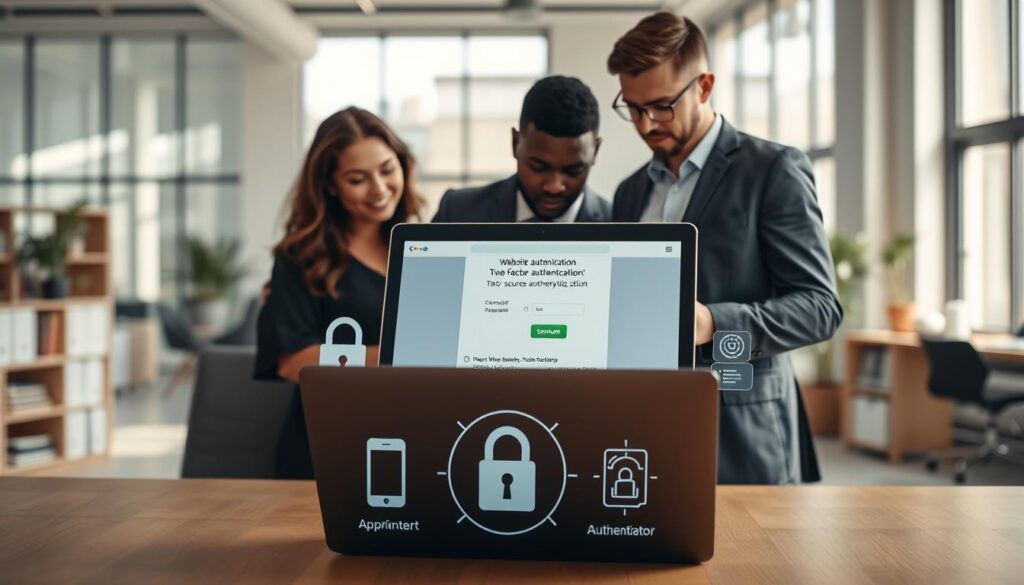
Teaching your users about website authentication makes the switch easier for everyone. When they understand the need for extra security, they’re more likely to adapt. Clear communication is key to making complex tech simple and user-friendly.
Creating Helpful Resources and Guides
Step-by-step guides are the best way to clear up confusion. Offer visual guides that show how to set up security. Clear screenshots and simple language make it less scary.
Short video tutorials can also help. They let users learn at their own speed, boosting confidence. Make sure these resources are easy to find on your site.
Utilizing FAQs and Support Channels
A good FAQ page is like a proactive support tool. It answers common questions before they become big problems. This saves time and reduces help desk tickets.
Having live chat or email support means no one is left behind. When you’re open about your website authentication standards, you build trust. A well-informed user base is your best defense against online threats.
Analyzing the Cost of Implementation
Many business owners worry about the cost of security upgrades. But, the cost of not acting is much higher. By following a implementation guide for 2026, you can manage your budget well. This way, you also strengthen your defenses against cyber threats.
Initial Setup Costs vs. Long-Term Benefits
The initial cost for security tools includes software licensing and training. These costs might seem high at first. But, they are much less than the damage from a data breach.
Preventing a security incident saves your company from legal and regulatory fines. It also keeps your customers loyal. Seeing security as a key business asset protects your brand’s reputation for years.
“Security is not a product, but a process. It is an investment in the longevity and integrity of your digital presence.”
Budgeting for Ongoing Maintenance
Security is not a one-time task. It needs ongoing attention to stay effective. Your budget should cover regular updates, audits, and infrastructure scaling as your user base grows.
Using a trusted implementation guide for 2026 helps you plan for these costs. By setting aside part of your IT budget for maintenance, your systems stay strong against threats. This doesn’t disrupt your daily work.
Conclusion: Making Two-Factor Authentication Work for You
Keeping your digital stuff safe is more than just using passwords. Using strong verification tools makes your online space safer for everyone who visits.
Building a Culture of Security
Putting online security first means talking clearly and empowering users. By using tools like Google Authenticator or Authy, you show you care about privacy. This builds trust and makes your brand stronger, lowering the chance of unauthorized access.
Future-Proofing Your Website with Enhanced Protections
Cyber threats change fast, so old defenses don’t cut it anymore. Using many layers of verification keeps your site safe from new attacks. You’ll feel better knowing your site is always up to date and ready for anything.