

Website monetization has evolved dramatically as we enter 2026. The landscape now offers more opportunities than ever before for site owners to generate sustainable income.
Whether you run a blog, an online platform, or a content site, understanding the right ways to monetize website traffic is essential. The challenge is not just choosing a monetization model but implementing it effectively.
This comprehensive guide explores proven monetization strategies. You will discover how to turn your website into a revenue-generating asset using advertising, affiliate programs, SaaS subscriptions, and digital products. We will cover conversion optimization techniques, funnel development, recurring revenue models, and scaling strategies that work in today’s digital ecosystem.
Table of Contents:
Get Weekly Monetization Insights
Join 50,000+ website owners receiving actionable strategies, income reports, and monetization tactics delivered every Tuesday. No spam, just revenue-focused content.
Understanding Website Monetization Models in 2026
The foundation of successful website monetization starts with choosing the right model for your audience and content type. Each monetization strategy offers distinct advantages and challenges.
Modern monetization approaches have matured significantly. Site owners now combine multiple revenue streams rather than relying on a single method. This diversification creates stability and maximizes earning potential across different audience segments.
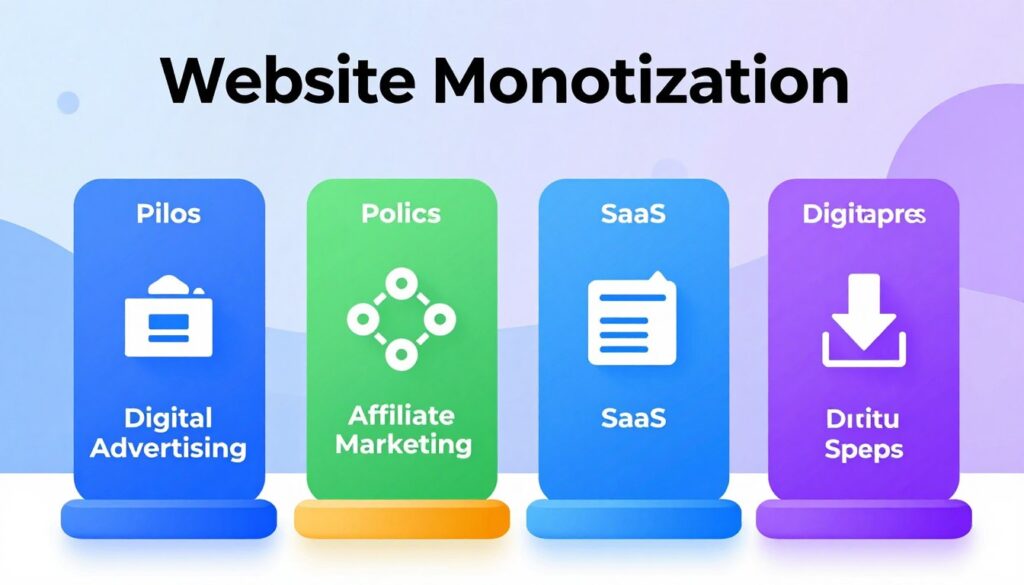
The four primary ways to monetize website traffic in 2026 include display advertising networks, affiliate marketing programs, Software as a Service subscriptions, and digital product sales. Each model serves specific business goals and audience needs.
Hybrid Monetization Approach
The most successful websites in 2026 implement hybrid monetization strategies. They combine complementary revenue streams that reinforce rather than cannibalize each other.
A content blog might use display ads for passive income, affiliate links for product recommendations, and sell its own digital courses for higher margins. This approach captures value from users at different engagement levels.
The key is matching monetization methods to user intent. Visitors seeking information respond well to ads and sponsored content. Users ready to purchase benefit from affiliate recommendations. Engaged community members often convert on premium digital products or memberships.
Selecting Your Primary Revenue Model
Your website type, traffic volume, and audience characteristics determine which monetization model should be primary. High-traffic news sites excel with advertising. Niche review sites perform well with affiliate marketing. Educational platforms thrive on subscription models.
Consider your content production capacity and technical resources. Display ads require minimal management once implemented. Affiliate programs need ongoing content creation and product research. SaaS products demand significant development and customer support infrastructure.
Traffic-Based Models
These monetization strategies scale directly with visitor numbers and work best for high-volume websites.
- Display advertising networks
- Sponsored content partnerships
- Native advertising placements
- Video ad monetization
Conversion-Based Models
These approaches focus on converting smaller audiences into paying customers with higher per-user value.
- Affiliate commission programs
- Digital product sales
- Membership subscriptions
- Consulting and services
Hybrid Models
Combined strategies that leverage multiple monetization methods for diversified income streams.
- Ads plus affiliate marketing
- Free content with premium tiers
- Community with product sales
- Content plus consulting
Recurring Revenue Models
Subscription-based approaches that create predictable monthly or annual income.
- Membership site access
- Software as a Service
- Premium content subscriptions
- Community platform access
Display Advertising: Monetizing Website Traffic with Ads
Display advertising remains one of the most accessible ways to monetize website traffic in 2026. Ad networks have become more sophisticated, offering better targeting and higher rates for quality publishers.
The advertising landscape has shifted toward user experience and viewability metrics. Networks now reward sites that balance monetization with visitor satisfaction. This means strategic ad placement matters more than ad density.
Google AdSense and Premium Ad Networks
Google AdSense continues to dominate as the entry point for most publishers. The platform offers reliable payments, automated optimization, and access to millions of advertisers competing for your ad inventory.
However, premium ad networks now provide compelling alternatives for established sites. Networks like Mediavine, AdThrive, and Ezoic offer higher revenue per thousand impressions (RPM) for sites meeting their traffic thresholds.
These premium networks typically require 50,000 to 100,000 monthly sessions. They provide dedicated account management, advanced optimization, and significantly higher earnings than AdSense for qualifying sites.
| Ad Network | Minimum Traffic | Average RPM | Best For |
| Google AdSense | No minimum | $3-8 | New websites and blogs |
| Mediavine | 50,000 sessions | $15-25 | Lifestyle and food blogs |
| AdThrive | 100,000 pageviews | $18-30 | High-quality content sites |
| Ezoic | 10,000 sessions | $10-20 | Growing websites |
Programmatic Advertising and Header Bidding
Programmatic advertising has revolutionized how publishers monetize their inventory. Header bidding technology allows multiple ad networks to bid simultaneously for your ad spaces, driving up prices through competition.
This technology works by sending bid requests to multiple demand partners before your ad server makes its call. The highest bidder wins the impression, maximizing your revenue potential for each pageview.
Most premium ad networks now handle header bidding automatically. For publishers managing their own stack, platforms like Prebid.js offer open-source solutions that integrate with major ad servers and supply-side platforms.
Native Advertising and Sponsored Content
Native advertising blends promotional content with your regular articles and posts. These ads match your site design and provide value to readers while generating higher engagement rates than traditional display ads.
Platforms like Taboola, Outbrain, and Revcontent specialize in native content recommendations. They display related articles and sponsored posts that complement your content, earning you revenue when visitors click through.
Sponsored content takes this further by integrating brand messaging into custom articles. These partnerships typically pay $500 to $5,000+ per post depending on your traffic and audience quality. However, maintaining editorial integrity and proper disclosure is essential for audience trust.
Advantages of Ad Monetization
- Passive income with minimal management
- Revenue scales with traffic growth
- No customer support required
- Quick implementation process
- Works across all content types
- Predictable earnings based on traffic
Disadvantages of Ad Monetization
- Lower earnings per visitor than products
- Ads can impact user experience
- Revenue vulnerable to ad blocker usage
- Dependent on traffic volume
- Limited control over ad content
- RPM fluctuates with seasonality
Optimizing Ad Performance
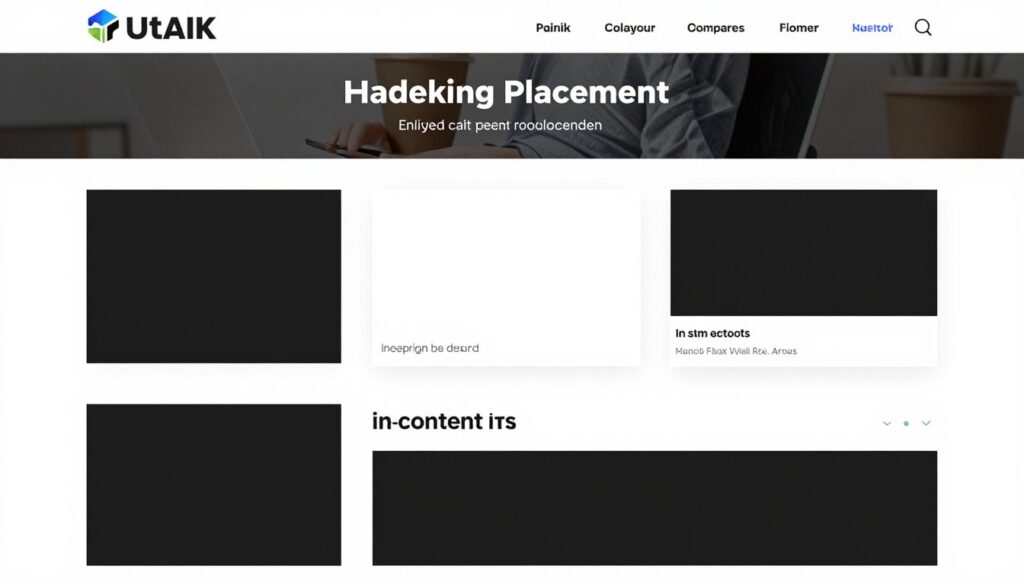
Strategic ad placement dramatically impacts revenue without compromising user experience. The most valuable positions are above the fold, within content, and in the sidebar for desktop users.
Heat mapping tools reveal where users spend the most time on your pages. Placing ads in these high-attention zones increases viewability and click-through rates. However, avoid interrupting the reading flow with excessive ad density.
Mobile optimization is critical since most traffic now comes from smartphones. Responsive ad units, anchor ads, and native placements perform better on mobile than traditional banner formats.
Start Monetizing with Display Ads Today
Google AdSense remains the fastest way to start earning from your website traffic. Sign up in minutes and start displaying relevant ads to your audience.
Already have 50,000+ monthly sessions? Consider applying to premium networks like Mediavine or Ezoic for 3-5x higher revenue.
Affiliate Marketing: Converting Recommendations into Revenue
Affiliate marketing represents one of the most profitable ways to monetize website content. By promoting products and services your audience needs, you earn commissions on resulting sales without handling inventory or customer service.
The affiliate model has matured significantly in 2026. Successful affiliate marketers now focus on genuine product expertise and long-term audience relationships rather than aggressive promotion tactics.
Choosing Profitable Affiliate Programs
The right affiliate programs align with your content niche and audience needs. High-converting programs offer competitive commissions, quality products, reliable tracking, and strong merchant support.
Amazon Associates remains popular for product-focused content despite lower commission rates. The program offers access to millions of products with trusted brand recognition that converts well.
However, specialized affiliate networks often provide better rates and support. Programs in finance, software, education, and premium products typically offer commissions from 20% to 50% or more per sale.
Amazon Associates
The world’s largest affiliate program provides access to virtually any physical product. Commission rates range from 1% to 10% depending on product category.
- Millions of products available
- Trusted brand recognition
- 24-hour cookie duration
- Easy linking tools and widgets
Best for: Product review sites, comparison blogs, deal aggregators
ShareASale
Established affiliate network connecting publishers with thousands of merchants across diverse niches. Known for reliable tracking and timely payments.
- 4,500+ merchant programs
- Wide variety of niches
- Real-time reporting dashboard
- Deep linking capabilities
Best for: Lifestyle blogs, fashion sites, home improvement content
CJ Affiliate
Formerly Commission Junction, CJ offers premium brand partnerships and advanced reporting tools for serious affiliate marketers.
- Fortune 500 brand partnerships
- Advanced analytics platform
- Mobile optimization tools
- International program access
Best for: Established publishers, review sites, deal platforms
ClickBank
Digital product marketplace specializing in information products, software, and online courses with high commission rates up to 75%.
- High commission percentages
- Digital product focus
- Instant approval process
- Built-in affiliate tools
Best for: Educational content, software reviews, digital marketing sites
Impact Partnership Cloud
Modern affiliate platform with advanced attribution, fraud prevention, and partnership management tools for growing publishers.
- Enterprise brand access
- Multi-touch attribution
- Fraud protection systems
- API integration options
Best for: Content sites, influencer platforms, comparison engines
Awin
Global affiliate network with strong presence in Europe and growing US market, offering diverse merchant partnerships.
- 15,000+ active advertisers
- Global merchant network
- Mobile app for management
- Product feed integration
Best for: International audiences, eCommerce content, travel sites
Creating High-Converting Affiliate Content
Successful affiliate marketing requires content that genuinely helps your audience make informed decisions. Product reviews, comparison articles, tutorials, and buying guides consistently generate the highest conversion rates.
Comprehensive reviews that cover features, benefits, drawbacks, and use cases build trust with readers. Include personal experience when possible, along with photos, videos, or screenshots demonstrating the product in action.
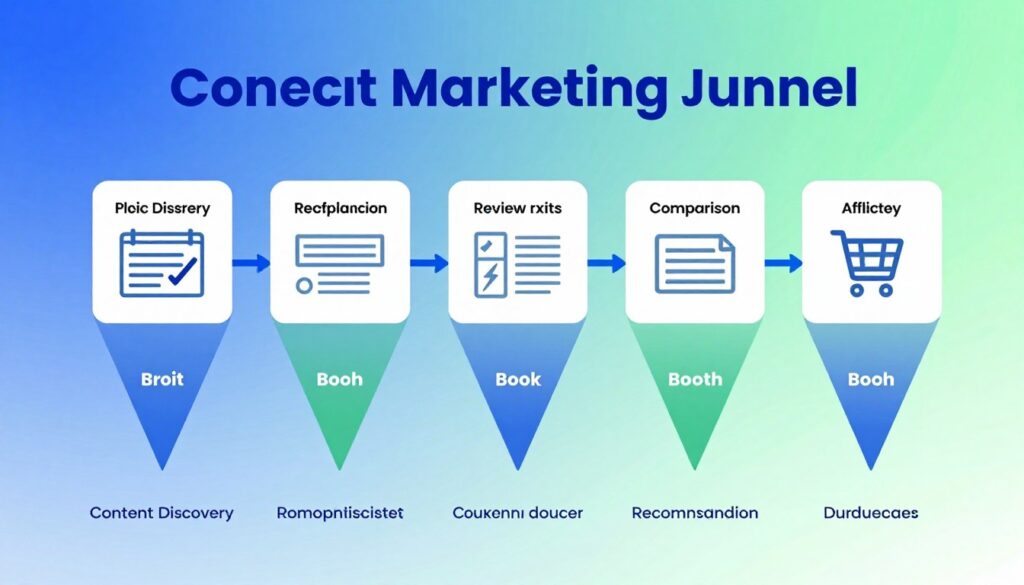
Comparison content performs exceptionally well for affiliate marketing. Users actively comparing options are closer to purchase decisions. Create detailed comparison charts highlighting key differences between competing products or services.

Strategic Link Placement and Disclosure
Where you place affiliate links significantly impacts click-through and conversion rates. The most effective placements are contextual links within content, comparison tables, call-to-action buttons, and dedicated recommendation boxes.
Avoid overwhelming readers with excessive links. Focus on strategic placement where users naturally seek more information or are ready to make a purchase. Three to five well-placed links typically outperform dozens of scattered mentions.
Proper disclosure is both legally required and builds audience trust. Clearly state your affiliate relationships at the beginning of posts and near affiliate links. Transparency actually improves conversion rates by establishing credibility.
Tracking and Optimizing Affiliate Performance
Most affiliate networks provide tracking dashboards showing clicks, conversions, and earnings by product and content. Analyzing this data reveals which products and content types generate the best returns.
Focus your efforts on top-performing products and content formats. If tutorial content converts better than reviews, create more tutorials. If certain product categories generate higher commissions, expand coverage in those areas.
Experiment with different promotional approaches. Test product positioning, call-to-action language, button colors, and content formats. Small improvements in conversion rates compound significantly over time with consistent traffic.
Affiliate Marketing Success Tip: The 80/20 rule applies strongly to affiliate income. Typically, 20% of your content generates 80% of affiliate revenue. Identify these high-performers and create more content targeting similar keywords and topics.
SaaS and Subscription Models for Recurring Revenue
Software as a Service represents the most valuable website monetization model in 2026. SaaS businesses generate predictable recurring revenue with high profit margins and strong customer lifetime value.
The subscription model extends beyond software to include membership sites, premium content access, online communities, and digital tool subscriptions. These recurring revenue streams create business stability and compound growth over time.
Building a Membership Site
Membership sites provide exclusive content, tools, or community access in exchange for recurring subscription fees. This model works well for educational content, professional resources, entertainment, and specialized knowledge communities.
Successful membership sites solve specific problems or fulfill ongoing needs. Consider what your audience struggles with repeatedly or what information they need regular access to. These pain points represent monetization opportunities.
Pricing tiers allow you to capture different audience segments. A basic tier might offer content access, while premium tiers include coaching, tools, or community features. Most membership sites price between $9 and $99 monthly depending on value delivered.
- Access to content library
- Monthly newsletter or updates
- Basic community forum access
- Email support
- Resource downloads
- Mobile app access
Basic Tier Features
- Everything in basic tier
- Priority support access
- Live monthly workshops
- Advanced tools and calculators
- Private community access
- One-on-one consultation time
Premium Tier Features
- Everything in premium tier
- Weekly group coaching calls
- Custom implementation help
- Direct access to founders
- Annual in-person event access
- Revenue share opportunities
VIP Tier Features
Launching a SaaS Product
Creating software as a service requires more technical investment than other monetization models, but offers the highest potential returns. SaaS products automate solutions to problems your audience faces regularly.
Start by identifying repetitive tasks or challenges within your niche. What manual processes could be automated? What calculations or analyses do users need frequently? These represent SaaS opportunities.
Minimum viable products allow you to test market demand before full development. Launch with core features that solve the primary problem, then expand based on user feedback and requests. This approach minimizes risk and development costs.
Subscription Content Platforms
Newsletter platforms like Substack, Ghost, and ConvertKit enable writers to monetize content through paid subscriptions. Readers pay monthly or annually for exclusive articles, analysis, or insider information.
Video content creators use platforms like Patreon or YouTube memberships to offer exclusive content, early access, or community features. Podcast creators leverage similar models through Apple Podcasts subscriptions or dedicated platforms.
The key to subscription content success is consistent value delivery. Subscribers expect regular, high-quality content that justifies their ongoing investment. Establish a publishing schedule you can maintain long-term.

Managing Subscription Churn
Customer retention is critical for subscription business success. Churn rate directly impacts your ability to grow recurring revenue. Even small improvements in retention compound dramatically over time.
Monitor why subscribers cancel by implementing exit surveys. Common reasons include lack of engagement, insufficient value perception, financial constraints, or achievement of goals. Address these issues proactively.
Engagement metrics predict churn risk. Subscribers who stop logging in or consuming content are likely to cancel soon. Implement re-engagement campaigns and check-in sequences for inactive members.
Onboarding Excellence
First impressions determine long-term retention. Create structured onboarding that demonstrates immediate value.
- Welcome email sequence
- Quick-start guides
- Feature tutorial videos
- Personal welcome message
Regular Value Delivery
Consistent content and feature releases keep subscribers engaged and remind them of ongoing value.
- Weekly content updates
- Monthly feature launches
- Exclusive member benefits
- Community events
Engagement Monitoring
Track usage patterns to identify at-risk subscribers before they cancel their subscriptions.
- Login frequency tracking
- Content consumption metrics
- Feature usage analytics
- Automated health scores
Pricing Psychology for Subscriptions
Annual subscription options improve retention and cash flow. Offering discounts for annual commitments (typically 15-20% off monthly rates) incentivizes longer commitments while reducing churn.
Tiered pricing captures more market segments than single-price offerings. Budget-conscious users select basic tiers, while power users pay premium prices for advanced features. This maximizes revenue across your audience.
Free trials convert better than freemium models for most subscription products. Time-limited trials create urgency and allow users to experience full value before committing. Seven to fourteen days typically provides sufficient evaluation time.
Launch Your Membership Site in Minutes
MemberPress powers over 50,000 membership sites. Create subscription tiers, manage content access, and process recurring payments seamlessly on WordPress.
Digital Products: High-Margin Revenue Streams
Selling digital products offers exceptional profit margins since products can be sold infinitely without inventory costs or fulfillment logistics. Popular digital products include online courses, ebooks, templates, software tools, and downloadable resources.
The digital product model scales efficiently. You create the product once, then sell it repeatedly to unlimited customers. This leverages your expertise into passive income that grows with your audience.

Creating and Selling Online Courses
Online courses represent one of the highest-value digital products you can create. Courses priced from $97 to $997 or more generate substantial per-customer revenue compared to other monetization methods.
Successful courses solve specific problems or teach valuable skills. Identify what your audience struggles to learn or accomplish, then structure a step-by-step curriculum that delivers transformation.
Course creation has become more accessible with platforms like Teachable, Thinkific, and Kajabi. These platforms handle video hosting, student management, payment processing, and content delivery, allowing creators to focus on course content quality.
Course Creation Checklist
- Validate demand through audience surveys or pre-sales
- Outline learning objectives and course modules
- Script video lessons and supporting materials
- Record and edit video content professionally
- Create workbooks, templates, and resources
- Set up course platform and payment processing
- Develop launch marketing campaign
- Implement student support system
Pricing Strategy Considerations
Course pricing depends on value delivered, market positioning, and target audience. Consider these factors when setting prices:
- Problem severity and cost of not solving it
- Competitive course pricing in your niche
- Your authority and credibility level
- Course depth and transformation delivered
- Support and community access included
- Ongoing updates and lifetime access
Test different price points using small launches before committing to final pricing. Higher prices often convert better when value is clearly communicated.
Ebooks and Digital Guides
Ebooks offer a lower barrier to entry for digital product creation. They require less production effort than courses while still providing valuable knowledge to your audience.
Effective ebooks solve specific problems or provide comprehensive guides on focused topics. Aim for 50 to 150 pages of actionable content rather than lengthy theoretical texts. Readers want practical solutions they can implement immediately.
Pricing ebooks between $7 and $47 typically maximizes conversions and revenue. Lower prices generate more volume, while premium pricing positions the content as high-value expertise. Test different price points to find your optimal balance.
Templates, Tools, and Digital Resources
Templates and tools provide ready-made solutions that save users time and effort. Popular examples include spreadsheet calculators, design templates, WordPress themes, business document templates, and productivity tools.
These products work particularly well when you create them once for your own use, then package them for sale. Your personal testing ensures quality and practical value.
Resource bundles command higher prices than individual items. Package related templates, guides, and tools together to increase perceived and actual value. Bundles priced at $47 to $197 often outperform individual $19 products.

Software and WordPress Plugins
Developing software products or WordPress plugins requires technical skills but creates valuable recurring revenue opportunities. Many successful plugins use freemium models with free basic versions and paid premium upgrades.
WordPress powers over 40% of websites, creating massive demand for plugins that add functionality. Popular plugin categories include SEO tools, security enhancements, performance optimization, form builders, and ecommerce extensions.
Plugin marketplaces like CodeCanyon provide distribution channels, though selling directly from your site retains higher profit margins. Premium WordPress plugins typically price between $49 and $299 for lifetime licenses or $99 to $299 annually for subscriptions.
Digital Product Marketing Strategies
Email marketing drives most digital product sales. Build an engaged email list through valuable free content, then promote products to subscribers who already trust your expertise.
Launch sequences create urgency and excitement around new products. Announce upcoming launches weeks in advance, provide exclusive preview access to email subscribers, and offer early-bird discounts to incentivize immediate purchases.
Webinars convert exceptionally well for higher-priced products. Live training sessions demonstrate expertise while naturally leading to product offers. Recorded webinars can be automated as evergreen sales funnels.
Conversion Optimization: Maximizing Revenue from Traffic
Conversion optimization focuses on increasing the percentage of visitors who take desired actions. Small improvements in conversion rates dramatically impact revenue without requiring more traffic.
A site converting 2% of visitors versus 1% doubles revenue from the same traffic. This makes conversion optimization one of the highest-leverage activities for website monetization.
A/B Testing for Continuous Improvement
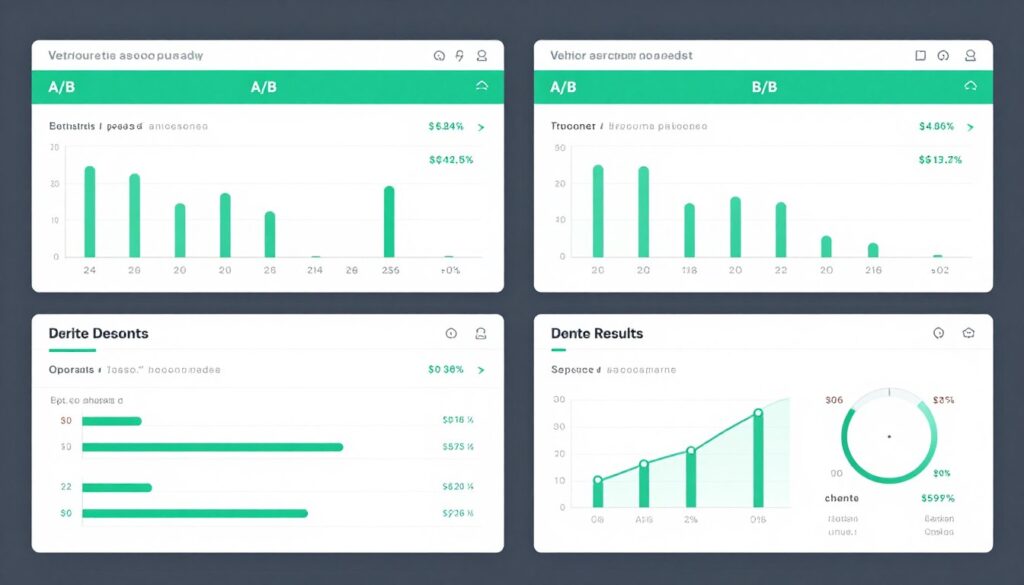
A/B testing compares two versions of a page or element to determine which performs better. Test one variable at a time, such as headlines, button colors, form length, or call-to-action copy.
Tools like Google Optimize, VWO, or Optimizely make testing accessible to non-technical users. These platforms split traffic between variations and track which version generates more conversions.
Focus testing efforts on high-traffic pages and elements with the biggest potential impact. Test landing pages, product pages, pricing pages, and checkout processes before optimizing lower-traffic areas.
User Experience Optimization
Page speed significantly impacts conversion rates. Visitors abandon slow-loading pages before seeing your content or offers. Aim for load times under three seconds, particularly on mobile devices.
Mobile optimization is non-negotiable in 2026. Most traffic comes from smartphones, yet many sites still provide suboptimal mobile experiences. Ensure buttons are easily tappable, text is readable without zooming, and navigation works intuitively on small screens.
Reduce friction in conversion processes. Every additional form field, click, or decision point decreases completion rates. Simplify checkout flows, minimize required information, and provide guest checkout options for ecommerce.
Page Speed Optimization
Fast-loading pages keep visitors engaged and improve conversion rates across all monetization methods.
- Compress and optimize images
- Minimize CSS and JavaScript files
- Enable browser caching
- Use content delivery networks
- Implement lazy loading
- Upgrade hosting if necessary
Mobile Experience
Mobile-first design ensures your monetization elements work seamlessly on smartphones and tablets.
- Responsive design implementation
- Touch-friendly button sizing
- Simplified mobile navigation
- Readable font sizes
- Optimized form layouts
- Fast mobile page speeds
Trust Signals
Building visitor confidence increases willingness to share information and make purchases.
- Display security badges
- Show customer testimonials
- Include trust seals
- Highlight guarantees
- Display customer counts
- Show real reviews
Clear Value Propositions
Visitors need to immediately understand what you offer and why it matters to them.
- Headline clarity and impact
- Benefit-focused copy
- Visual hierarchy
- Prominent calls-to-action
- Social proof placement
- Objection handling
Call-to-Action Optimization
Effective CTAs clearly communicate the desired action and the benefit of taking it. Replace generic “Submit” or “Click Here” buttons with specific, value-focused copy like “Get My Free Guide” or “Start Earning Today.”
Button design affects click-through rates. High-contrast colors that stand out from surrounding content perform better. Size matters too, buttons should be large enough to notice and click easily, especially on mobile devices.
Strategic placement ensures CTAs appear when visitors are ready to take action. Place primary CTAs above the fold, after compelling content, and in multiple locations on longer pages. Test different positions to find optimal placement.
Analytics-Driven Decision Making
Conversion tracking reveals what works and what needs improvement. Set up goals in Google Analytics for key actions: email signups, product purchases, content downloads, and affiliate clicks.
Analyze conversion funnels to identify drop-off points. If many visitors view pricing but few purchase, pricing may be unclear or too high. If many add items to cart but abandon checkout, the process may be too complicated.
Segment data by traffic source, device type, and visitor behavior. Different audience segments often require different optimization strategies. Mobile users may need simplified layouts while desktop users can handle more complexity.
Download Free Conversion Optimization Checklist
Get our comprehensive 47-point checklist for optimizing your website conversion rates. Includes page speed tips, CTA best practices, mobile optimization, and A/B testing templates.
Building Effective Sales and Monetization Funnels
Sales funnels guide visitors through a strategic journey from awareness to purchase. Well-designed funnels increase conversion rates by presenting the right message at the right time based on visitor intent and behavior.
The funnel concept recognizes that most visitors are not ready to buy immediately. They need education, relationship building, and trust development before making purchase decisions.

Lead Capture and Nurturing Sequences
Lead capture starts the funnel by exchanging valuable content for contact information. Popular lead magnets include ebooks, checklists, templates, video tutorials, or exclusive content access.
Email nurture sequences build relationships with new subscribers. Send a series of valuable emails over weeks or months, gradually introducing products and offers as trust develops.
Effective nurture sequences balance education with promotion. Follow a 80/20 rule: 80% valuable content and 20% promotional messaging. This maintains engagement while creating sales opportunities.
Welcome Sequence
Days 1-7 introduce your brand, deliver promised lead magnet, and set expectations for future communication.
- Immediate lead magnet delivery
- Introduction to your story
- Most popular content highlights
- Engagement question or survey
Goal: Build initial relationship and demonstrate value
Education Sequence
Days 8-30 provide ongoing value through tips, case studies, and content that solves subscriber problems.
- Weekly tips and strategies
- Success stories and examples
- Problem-solving content
- Community highlights
Goal: Establish expertise and maintain engagement
Conversion Sequence
Days 31+ introduce products and services as solutions to problems discussed in educational content.
- Product benefit demonstrations
- Limited-time offers
- Customer testimonials
- Objection handling content
Goal: Convert subscribers into paying customers
Tripwire and Value Ladder Strategies
Tripwire offers are low-priced front-end products (typically $7 to $47) that convert cold traffic into buyers. Once someone makes a small purchase, they are significantly more likely to buy higher-priced offerings later.
The value ladder sequences products from lowest to highest price, with each level delivering more value. Start with free content, offer a low-priced tripwire, then present core products, followed by premium programs or services.
This approach maximizes customer lifetime value by catering to different budget levels while gradually moving customers up to higher-value offerings as trust and satisfaction grow.
| Ladder Level | Price Range | Product Example | Purpose |
| Lead Magnet | Free | Ebook, checklist, video tutorial | Capture email addresses |
| Tripwire | $7-47 | Mini-course, template pack | Convert to buyer status |
| Core Product | $97-497 | Complete online course | Main profit center |
| Premium Offering | $997-2,997 | Coaching program, mastermind | Serve committed customers |
| High-Ticket Service | $5,000+ | Done-for-you services, consulting | Maximize customer value |
Upselling and Cross-Selling Techniques
Upsells present customers with premium versions or add-ons immediately after initial purchase. This capitalizes on buying momentum when customers are most receptive to additional offers.
One-click upsells work particularly well in digital product funnels. After purchasing a course, customers might see an upsell for coaching sessions or premium templates without re-entering payment information.
Cross-sells recommend complementary products that enhance the original purchase. Someone buying a social media course might be interested in scheduling tools, graphic design templates, or content planning resources.
Retargeting and Abandoned Cart Recovery
Retargeting campaigns follow visitors who viewed products but did not purchase. Display ads on other websites remind them of your offering and provide opportunities to return and complete the purchase.
Abandoned cart emails recover lost sales by reminding customers about items left in their cart. Send the first reminder within one hour, a second after 24 hours, and a final follow-up after 72 hours with a small discount incentive.
Pixel-based retargeting through Facebook, Google, and other ad networks enables precise targeting. Show specific product ads to visitors who viewed those products, creating highly relevant reminder campaigns.
Build High-Converting Funnels with ClickFunnels
Create complete sales funnels without technical skills. ClickFunnels provides templates, email automation, and conversion-optimized pages used by over 100,000 businesses.
Establishing Recurring Revenue Streams
Recurring revenue creates business predictability and compounds over time. Monthly subscriptions generate more total revenue per customer than one-time purchases while creating stable cash flow.
The subscription economy has trained consumers to expect and accept recurring charges for valuable services. This cultural shift makes establishing recurring revenue easier than ever across virtually any niche.
Subscription Model Economics
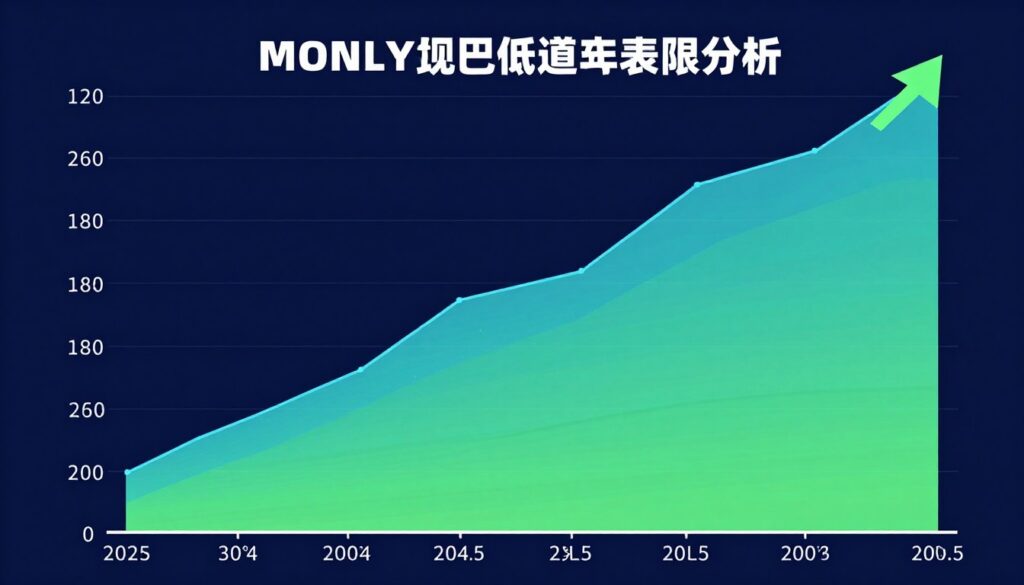
Customer lifetime value increases dramatically with subscription models. A customer paying $29 monthly for two years generates $696 in revenue versus a single $97 purchase.
The subscription business model requires patience. Initial growth appears slow as you add subscribers one by one. However, revenue compounds as you retain existing subscribers while adding new ones each month.
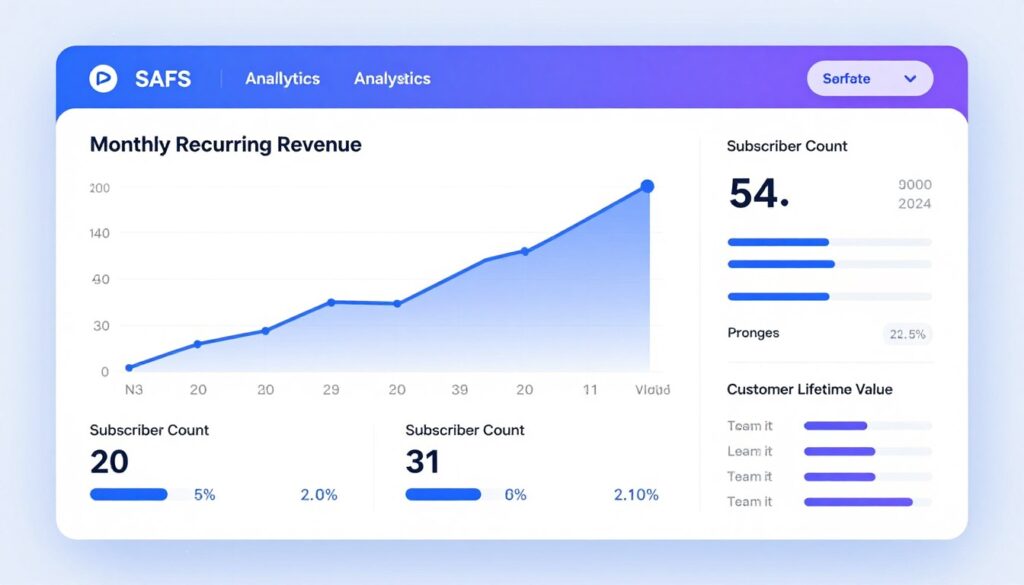
Calculate your key metrics regularly: monthly recurring revenue (MRR), annual recurring revenue (ARR), customer acquisition cost (CAC), lifetime value (LTV), and churn rate. These numbers reveal business health and growth trajectory.
Membership Site Revenue Models
Membership sites generate recurring revenue by providing ongoing access to valuable content, tools, or community. Successful membership models deliver continuous value that justifies ongoing payment.
Content memberships work well for educational material, industry insights, or entertainment. Release new content regularly to give members reasons to remain subscribed and justify the recurring charge.
Community-based memberships charge for access to exclusive forums, networking opportunities, or peer groups. The value comes from member interactions rather than solely from content you create.
Retainer Service Models
Service-based websites can implement retainer models where clients pay monthly fees for ongoing support, maintenance, or services. This applies to consulting, creative services, technical support, and various professional services.
Retainer packages provide value through consistent availability, ongoing work, or allocated hours. Clients appreciate predictable costs while you benefit from predictable income.
Package retainers clearly defining deliverables work better than hour-based agreements. Specify what clients receive each month rather than selling time blocks. This sets clear expectations and reduces scope creep.
Continuity Programs and Ongoing Training
Continuity programs provide ongoing education, implementation support, or coaching on a subscription basis. These work particularly well for skills that require continuous practice and updating.
Monthly training programs keep members engaged with new lessons, live coaching calls, updated resources, and community support. This model works well for business skills, marketing, fitness, creative pursuits, and personal development.
The key to continuity success is demonstrating ongoing progress and transformation. Members need to see results from participation to justify continued subscription. Track and showcase member wins regularly.
Scaling Website Income: Growth Strategies
Scaling transforms successful monetization into substantial income. Growth requires strategic traffic increases, revenue stream diversification, process automation, and team expansion.
The path to scaling differs by monetization model. Ad-based revenue scales primarily through traffic growth. Product businesses scale through conversion optimization and customer value increases. Service businesses scale through team building and productization.

Strategic Traffic Growth
Organic search traffic provides the most sustainable and profitable growth. Invest in comprehensive SEO strategies including keyword research, content creation, technical optimization, and link building.
Content marketing compounds over time. Each quality article you publish continues attracting traffic for years. Focus on evergreen topics with sustained search demand rather than trending topics with temporary interest.
Paid traffic accelerates growth when unit economics support it. If customer lifetime value exceeds acquisition cost by 3x or more, paid advertising becomes profitable. Test channels systematically, scaling what works and cutting what does not.
SEO Scaling Tactics
- Comprehensive keyword research
- Content cluster development
- Internal linking optimization
- Technical SEO improvements
- Quality backlink acquisition
- Regular content updates
- Featured snippet targeting
Paid Traffic Channels
- Google Ads search campaigns
- Facebook and Instagram ads
- YouTube advertising
- LinkedIn sponsored content
- Native advertising networks
- Influencer partnerships
- Retargeting campaigns
Alternative Growth Channels
- Email list partnerships
- Guest posting opportunities
- Podcast appearances
- YouTube channel growth
- Social media engagement
- Community building
- Strategic collaborations
Revenue Stream Diversification
Multiple revenue streams create stability and maximize earnings from existing traffic. Visitors at different stages and with different needs respond to different monetization methods.
Start with one primary monetization model until it generates consistent income. Then add complementary streams that serve the same audience without competing. A blog monetized with ads might add affiliate links, then create digital products for engaged readers.
Analyze which content and traffic sources generate the best results for each monetization method. Some articles convert well for affiliate products while others work better for capturing email subscribers. Optimize each content piece for its highest-value monetization opportunity.
Automation and Systems
Automation removes manual tasks that do not require your personal attention. Email sequences, content scheduling, customer onboarding, and routine support can all be automated.
Marketing automation platforms like ActiveCampaign, ConvertKit, or HubSpot handle email sequences triggered by user behavior. New subscribers automatically receive welcome sequences. Customers automatically get onboarding emails and product tips.
Document standard operating procedures for recurring tasks. This creates foundations for delegation while ensuring consistent quality. Every repeated process should have a checklist or guide.
Team Building and Outsourcing
Scaling beyond personal capacity requires team expansion. Start by outsourcing your lowest-value tasks, freeing time for high-impact activities only you can perform.
Content creation typically becomes the first outsourcing priority. Writers, editors, and designers can produce content based on your strategic direction and quality standards. This multiplies content output without multiplying your time investment.
Virtual assistants handle administrative tasks, email management, customer support, and routine operational work. Specialists tackle technical tasks, advertising management, SEO implementation, and other skills-based work.
Scaling Timeline: Most website businesses take 12-24 months to reach $5,000 monthly revenue, 24-36 months to reach $20,000 monthly, and 36-60 months to reach six-figure annual income. Growth accelerates as you reinvest profits in content, advertising, and team expansion.
Maximizing Customer Lifetime Value
Increasing what each customer spends over their relationship with your business multiplies revenue without requiring more traffic. Focus on retention, repeat purchases, and value ladder progression.
Retention strategies reduce churn and keep customers engaged longer. Regular communication, ongoing value delivery, community building, and excellent support all improve retention rates.
Backend offers and upgrades capture additional revenue from existing customers. Someone who purchased a course might buy advanced training, coaching, or done-for-you services. These backend sales often generate more profit than front-end purchases.
“The secret to scaling is not doing more of everything. It’s identifying what works, eliminating what doesn’t, and then systematically improving and replicating your winners. Focus creates scale faster than expansion.”
Emerging Monetization Trends in 2026
The monetization landscape continues evolving with new technologies and changing user expectations. Staying current with emerging trends provides competitive advantages and new revenue opportunities.
Artificial intelligence now powers personalization at scale. Websites use AI to recommend relevant products, customize content experiences, and optimize monetization strategies based on individual user behavior.
AI-Powered Personalization
Machine learning algorithms analyze user behavior to predict which monetization methods will resonate with specific visitors. This enables dynamic content and offer presentation based on likelihood to convert.
Personalization extends beyond product recommendations to include customized content paths, individualized pricing, and behavior-triggered messaging. These technologies significantly improve conversion rates across all monetization models.
Creator Economy Platforms
Platforms like Patreon, Substack, and specialized creator tools make monetizing audiences easier than ever. These platforms handle payments, content delivery, and community management, allowing creators to focus on content quality.
The shift toward direct creator-to-audience relationships reduces platform dependency. Owning your audience through email lists and member platforms provides more control and higher profit margins than advertising-based models.
Blockchain and Web3 Monetization
Cryptocurrency payments and blockchain-based membership systems offer alternative monetization approaches. NFTs enable new digital product formats and community access models.
While still emerging, these technologies provide opportunities for early adopters willing to experiment. Token-gated content, DAO memberships, and crypto-native products serve specific audiences interested in Web3 ecosystems.
Conclusion: Your Website Monetization Roadmap
Monetizing websites successfully in 2026 requires strategic thinking, consistent execution, and willingness to test different approaches. The most successful publishers combine multiple revenue streams while maintaining focus on audience value.
Start with one primary monetization method that aligns with your traffic, audience, and capabilities. Build it to consistent profitability before adding additional streams. This focused approach creates faster success than trying everything simultaneously.
Remember that sustainable monetization serves your audience first. Websites that prioritize user experience while implementing strategic monetization consistently outperform those that prioritize short-term revenue over long-term relationships.

Your next steps depend on your current position. If you are just starting, implement display advertising while building an email list for future product launches. If you have steady traffic, test affiliate marketing in your top-performing content. If you have an engaged audience, consider creating your first digital product or membership offering.
Monitor your results consistently. Track which content generates the best monetization results. Analyze which traffic sources convert most effectively. Test different approaches systematically and scale what works.
The journey from hobby site to substantial income takes time and persistence. Most successful website businesses require 18 to 36 months of consistent effort before reaching significant income levels. However, once established, website income scales efficiently and provides long-term value.
Ready to Accelerate Your Website Monetization?
Book a free 30-minute strategy consultation to discuss your specific website, traffic, and monetization goals. We will identify your highest-potential revenue opportunities and create a custom roadmap.
Frequently Asked Questions About Website Monetization
How much traffic do I need to start monetizing my website?
You can start monetizing with any traffic level, though different methods have different thresholds. Display advertising through Google AdSense has no minimum requirement. Affiliate marketing works with as few as 100 daily visitors if you target high-intent keywords. Premium ad networks typically require 10,000 to 100,000 monthly sessions.
Digital products and membership sites can generate significant income even with small, highly engaged audiences. A niche site with 1,000 email subscribers might generate more revenue than a general site with 100,000 pageviews. Focus on audience quality and engagement rather than just traffic numbers.
Which monetization method generates the highest income?
Digital products and SaaS subscriptions typically generate the highest income per customer, with profit margins of 70% to 95%. A single course sale at 7 equals revenue from 25,000 to 50,000 pageviews of ad-monetized content. However, product creation requires more upfront work and ongoing marketing effort.
The “best” monetization method depends on your business model, audience size, and capabilities. High-traffic news sites excel with advertising. Niche review sites thrive with affiliate marketing. Educational platforms perform well with courses and memberships. Most successful publishers eventually combine multiple methods.
How long does it take to earn significant income from a website?
Most website businesses take 12 to 24 months of consistent effort to reach
Frequently Asked Questions About Website Monetization
How much traffic do I need to start monetizing my website?
You can start monetizing with any traffic level, though different methods have different thresholds. Display advertising through Google AdSense has no minimum requirement. Affiliate marketing works with as few as 100 daily visitors if you target high-intent keywords. Premium ad networks typically require 10,000 to 100,000 monthly sessions.
Digital products and membership sites can generate significant income even with small, highly engaged audiences. A niche site with 1,000 email subscribers might generate more revenue than a general site with 100,000 pageviews. Focus on audience quality and engagement rather than just traffic numbers.
Which monetization method generates the highest income?
Digital products and SaaS subscriptions typically generate the highest income per customer, with profit margins of 70% to 95%. A single course sale at $497 equals revenue from 25,000 to 50,000 pageviews of ad-monetized content. However, product creation requires more upfront work and ongoing marketing effort.
The “best” monetization method depends on your business model, audience size, and capabilities. High-traffic news sites excel with advertising. Niche review sites thrive with affiliate marketing. Educational platforms perform well with courses and memberships. Most successful publishers eventually combine multiple methods.
How long does it take to earn significant income from a website?
Most website businesses take 12 to 24 months of consistent effort to reach $1,000 to $5,000 monthly income. Reaching $10,000+ monthly typically requires 24 to 48 months. These timelines assume regular content creation, SEO implementation, and strategic monetization.
Timeline varies significantly based on niche competitiveness, monetization strategy, and execution quality. Websites in low-competition niches with high commercial intent can monetize faster. Sites requiring large audiences for advertising revenue generally take longer to scale.
Should I use one monetization method or combine multiple approaches?
Start with one primary monetization method until it generates consistent income, then add complementary streams. Trying multiple methods simultaneously often results in none performing well due to divided attention and resources.
Once established, combining methods typically increases total revenue. A blog might use display ads for passive income, affiliate links in product reviews, and sell its own courses to engaged readers. This captures value from users at different engagement levels and maximizes earnings from existing traffic.
How do I choose between affiliate marketing and selling my own products?
Affiliate marketing requires less upfront investment and no product creation, customer support, or fulfillment. It works well for testing product-market fit and generating initial income. However, commissions are typically 5% to 30% of sale prices, limiting profit potential.
Creating your own products requires more work but offers higher profit margins (70% to 95%) and full control over customer relationships. Many successful publishers start with affiliate marketing while building audiences, then create products based on what affiliates prove sells well.
What tools and platforms do I need for website monetization?
Essential tools include email marketing platforms (ConvertKit, ActiveCampaign), analytics (Google Analytics), and payment processing (Stripe, PayPal). For advertising, you need an ad network account. For digital products, consider course platforms (Teachable, Kajabi) or membership plugins (MemberPress).
Start with free or low-cost options, upgrading as revenue grows. Google AdSense and Mailchimp offer free tiers for starting. Many tools provide trial periods to test before committing. Invest in paid tools only when they directly support revenue generation or significantly save time.
How can I monetize a website without annoying my visitors?
Balance monetization with user experience by keeping content quality high, avoiding intrusive ad placements, and ensuring fast page speeds. Limit display ads to 2-3 per page. Place affiliate links contextually where they genuinely help users. Make promotional content clearly valuable rather than purely sales-focused.
The most sustainable approach treats monetization as serving audience needs rather than extracting maximum revenue. Recommend only products you genuinely believe help users. Create digital products that solve real problems. This builds long-term trust that supports higher lifetime customer value.
What legal requirements do I need to follow for website monetization?
Disclose affiliate relationships clearly, following FTC guidelines requiring “clear and conspicuous” disclosure near affiliate links. For advertising, comply with privacy regulations like GDPR and CCPA by providing cookie notices and privacy policies. If collecting email addresses or selling products, display terms of service and refund policies.
Tax obligations vary by location and business structure. In the US, report income from websites on tax returns. If operating as a business, obtain necessary licenses and permits. Consult an accountant familiar with online businesses to ensure compliance as your revenue grows.
,000 to ,000 monthly income. Reaching ,000+ monthly typically requires 24 to 48 months. These timelines assume regular content creation, SEO implementation, and strategic monetization.
Timeline varies significantly based on niche competitiveness, monetization strategy, and execution quality. Websites in low-competition niches with high commercial intent can monetize faster. Sites requiring large audiences for advertising revenue generally take longer to scale.
Should I use one monetization method or combine multiple approaches?
Start with one primary monetization method until it generates consistent income, then add complementary streams. Trying multiple methods simultaneously often results in none performing well due to divided attention and resources.
Once established, combining methods typically increases total revenue. A blog might use display ads for passive income, affiliate links in product reviews, and sell its own courses to engaged readers. This captures value from users at different engagement levels and maximizes earnings from existing traffic.
How do I choose between affiliate marketing and selling my own products?
Affiliate marketing requires less upfront investment and no product creation, customer support, or fulfillment. It works well for testing product-market fit and generating initial income. However, commissions are typically 5% to 30% of sale prices, limiting profit potential.
Creating your own products requires more work but offers higher profit margins (70% to 95%) and full control over customer relationships. Many successful publishers start with affiliate marketing while building audiences, then create products based on what affiliates prove sells well.
What tools and platforms do I need for website monetization?
Essential tools include email marketing platforms (ConvertKit, ActiveCampaign), analytics (Google Analytics), and payment processing (Stripe, PayPal). For advertising, you need an ad network account. For digital products, consider course platforms (Teachable, Kajabi) or membership plugins (MemberPress).
Start with free or low-cost options, upgrading as revenue grows. Google AdSense and Mailchimp offer free tiers for starting. Many tools provide trial periods to test before committing. Invest in paid tools only when they directly support revenue generation or significantly save time.
How can I monetize a website without annoying my visitors?
Balance monetization with user experience by keeping content quality high, avoiding intrusive ad placements, and ensuring fast page speeds. Limit display ads to 2-3 per page. Place affiliate links contextually where they genuinely help users. Make promotional content clearly valuable rather than purely sales-focused.
The most sustainable approach treats monetization as serving audience needs rather than extracting maximum revenue. Recommend only products you genuinely believe help users. Create digital products that solve real problems. This builds long-term trust that supports higher lifetime customer value.
What legal requirements do I need to follow for website monetization?
Disclose affiliate relationships clearly, following FTC guidelines requiring “clear and conspicuous” disclosure near affiliate links. For advertising, comply with privacy regulations like GDPR and CCPA by providing cookie notices and privacy policies. If collecting email addresses or selling products, display terms of service and refund policies.
Tax obligations vary by location and business structure. In the US, report income from websites on tax returns. If operating as a business, obtain necessary licenses and permits. Consult an accountant familiar with online businesses to ensure compliance as your revenue grows.