

Launching a new website without an SEO blueprint is like building a house without a foundation. You might get lucky with a few visitors, but sustainable growth remains elusive. The truth is, 90% of new websites fail to generate meaningful organic traffic within their first year.
This comprehensive guide reveals the exact roadmap that takes websites from zero to 100,000 monthly visitors. We’ll cover proven strategies used by successful sites across every industry. From keyword research to technical optimization, you’ll discover actionable steps that deliver measurable results.
Whether you’re launching a business site, blog, or online store, this blueprint eliminates guesswork. You’ll learn how search engines evaluate new websites and what actually moves the needle for organic growth. Let’s transform your new site into a traffic-generating machine.
Table of Contents:
Building Your Foundation: Understanding SEO for New Websites
Search engine optimization for new websites differs fundamentally from established site strategies. Google treats fresh domains with healthy skepticism. Your site enters what SEO professionals call the “sandbox period” where rankings come slowly despite quality content.
Understanding this reality shapes realistic expectations. Most new websites need three to six months before seeing significant organic traffic. During this time, search engines assess your site’s authority, content quality, and user experience signals.
The key advantage new websites possess is a clean slate. You can implement best practices from day one without correcting past mistakes. This foundation determines your long-term SEO success more than any other factor.
Technical Excellence
Your website’s technical health directly impacts search engine crawling and indexing. Google can’t rank pages it can’t access or understand properly.
- Fast page loading speeds under 3 seconds
- Mobile-responsive design for all devices
- Clean URL structures without parameters
- Proper XML sitemap configuration
Content Strategy
Quality content remains the cornerstone of SEO success. Search engines reward websites that genuinely help users solve problems and answer questions.
- Original research and unique perspectives
- Comprehensive coverage of topics
- Regular publishing schedule maintained
- Strategic keyword integration throughout
Authority Building
New websites must earn trust from both users and search engines. Authority develops through consistent quality signals and external validation.
- High-quality backlinks from relevant sites
- Strong engagement metrics from visitors
- Expert authors with credentials
- Social proof and brand mentions
User Experience
Google’s algorithms increasingly prioritize how users interact with your website. Sites that satisfy user intent rank higher over time.
- Intuitive navigation and site structure
- Clear calls-to-action throughout pages
- Engaging visual design elements
- Accessible content for all users
Get Your Free SEO Checklist for New Websites
Download our comprehensive checklist covering all essential SEO tasks for new website launches. Used by 10,000+ website owners to build their traffic foundation.
Keyword Research: Finding Your SEO Opportunities
Effective keyword research separates successful websites from those that struggle for traffic. The process involves more than finding high-volume search terms. You need keywords that match your content capabilities and user intent.
Start by identifying your core topics. These broad themes represent your website’s main subject areas. For a new website, focus on three to five core topics that align with your business goals and expertise.
Within each core topic, discover specific keyword opportunities. Tools like Google Search Console, Google Analytics, and specialized keyword research platforms reveal what people actually search for. The goal is finding that sweet spot between search volume and competition level.
The Strategic Keyword Selection Process
New websites should target a mix of keyword types. Long-tail keywords with lower competition provide quicker wins. Short-tail keywords with higher volume become targets as your site builds authority.
Analyze keyword difficulty scores carefully. Metrics from SEO tools help estimate how hard ranking will be. For new websites, prioritize keywords with difficulty scores below 30 for your first content pieces.

| Keyword Type | Search Volume | Competition | Time to Rank | Best for New Sites |
| Long-tail (4+ words) | 10-500 monthly | Low | 1-3 months | Yes |
| Mid-tail (2-3 words) | 500-5,000 monthly | Medium | 3-6 months | After initial authority |
| Short-tail (1-2 words) | 5,000+ monthly | High | 6-12+ months | Long-term targets |
| Question keywords | Varies widely | Low-Medium | 2-4 months | Excellent choice |
Understanding User Search Intent
Search intent represents what users truly want when they type queries. Google’s algorithms have become remarkably sophisticated at matching results to intent. Your content must align perfectly with what searchers expect to find.
Four main intent types exist in search. Informational queries seek knowledge or answers. Navigational searches look for specific websites or pages. Commercial investigation involves research before purchasing. Transactional intent signals readiness to buy or take action.
- How to optimize page speed
- What is technical SEO
- Best practices for internal linking
- Why do websites need backlinks
- SEO tutorial for beginners
Informational Intent Keywords
- Best SEO tools for new websites
- WordPress SEO plugins comparison
- Top link building services review
- SEO agency vs in-house team
- Affordable keyword research tools
Commercial Intent Keywords
- Buy SEO audit service
- Hire SEO consultant near me
- Subscribe to SEO software
- Download SEO checklist template
- Order content writing package
Transactional Intent Keywords
Competitive Keyword Gap Analysis
Study what keywords your competitors rank for that you don’t. This competitive intelligence reveals untapped opportunities. Tools can compare your site against multiple competitors simultaneously.
Look for patterns in competitor keyword strategies. Which topics do they cover extensively? What questions do their content pieces answer? These insights guide your own content creation priorities.
Don’t simply copy competitor keywords. Instead, find ways to create superior content that better serves user intent. Comprehensive coverage, clearer explanations, and better user experience can outrank established pages.
Building Your Keyword Master List
Organize discovered keywords into a structured database. Include metrics like search volume, difficulty, intent type, and content format. This master list becomes your content roadmap for the next six to twelve months.
Group related keywords into topic clusters. Each cluster represents a pillar page with supporting content pieces. This structure helps search engines understand your site’s expertise and topical authority.
Pro Tip: Aim for 50-100 keyword targets for your first six months. This volume provides enough content opportunities without overwhelming your resources. Prioritize keywords where you can create genuinely superior content compared to current ranking pages.
Search Intent: Aligning Content With User Expectations
Understanding search intent transforms good content into traffic-generating assets. When your content perfectly matches what users want, engagement metrics soar. Google notices these positive signals and rewards your pages with better rankings.
Analyze the current search results for your target keywords. The top-ranking pages reveal exactly what Google believes best satisfies user intent. Study their content format, depth, structure, and approach.
Common patterns emerge across search results. If top results are all comprehensive guides, users want detailed information. If they’re comparison articles, people are evaluating options. If they’re product pages, searchers are ready to purchase.
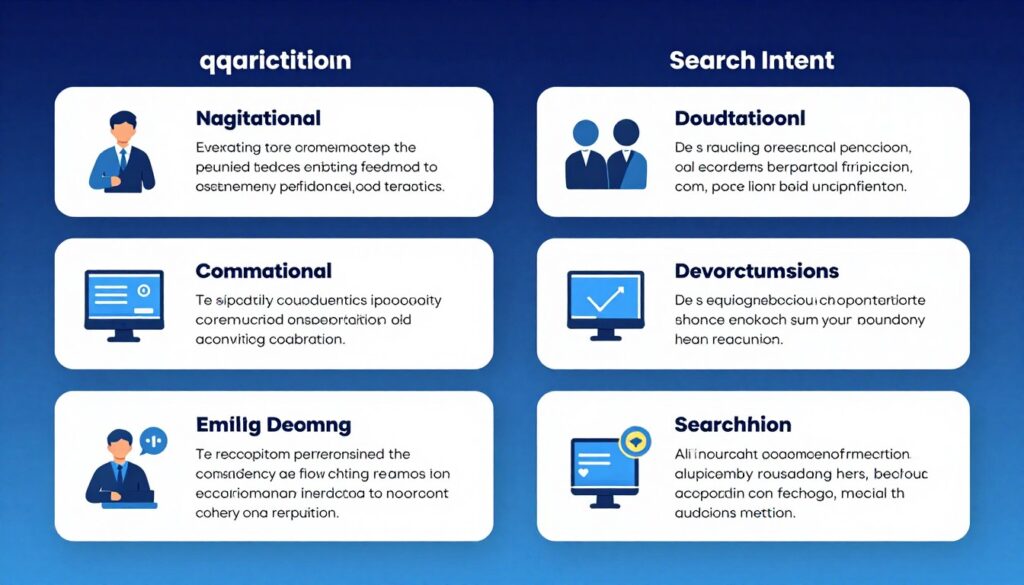
Matching Content Format to Intent
Different content formats serve different intent types. Informational intent works best with how-to guides, tutorials, and educational articles. Commercial intent needs comparison posts, reviews, and evaluation content.
Transactional intent requires product pages, service descriptions, and clear conversion paths. Navigational intent seeks specific pages or resources. Match your format to what users expect and your bounce rate drops significantly.
Content Format Guidelines
Choose formats based on what currently ranks and what best serves your audience. The format should make consuming information effortless for your target users.
- Ultimate guides for comprehensive topics
- Step-by-step tutorials for process-oriented searches
- Comparison articles for evaluation-stage users
- List posts for quick reference needs
- Case studies for proof and results
- Tools and calculators for interactive value
Depth and Detail Requirements
Content depth should match the complexity of the topic and current competition. Shallow content on competitive topics won’t rank. Excessive detail on simple topics frustrates users.
- Analyze top-ranking page word counts
- Identify information gaps in existing content
- Add unique insights or data
- Include visual elements for clarity
- Test readability for your audience level
- Update regularly to maintain relevance
Analyzing SERP Features for Intent Clues
Search engine results pages contain intent signals beyond organic listings. Featured snippets appear for quick-answer queries. People Also Ask boxes indicate related questions users have. Video results suggest visual learning preferences.
Shopping results signal transactional intent. Local pack results indicate geographic relevance matters. Knowledge panels appear for entities and well-known topics. Each SERP feature reveals something about user expectations.
Structure your content to capture these SERP features. Answer questions concisely for featured snippets. Include FAQ sections for People Also Ask boxes. Add video content when competitors show video results. These features drive significant traffic beyond traditional organic rankings.
User Experience Signals Matter
Google measures how users interact with your content after clicking through. Time on site, pages per session, and bounce rate all signal content quality. Strong engagement tells search engines your content satisfies intent well.
Improve engagement through strategic content design. Use compelling introductions that hook readers immediately. Break text into scannable sections with clear headings. Add relevant images and visual elements every few paragraphs.
Studies show that pages with strong user engagement signals rank an average of 3.5 positions higher than similar pages with poor engagement. Focus on keeping visitors on your page and guiding them to related content.
Technical SEO: Building a Crawlable, Indexable Site
Technical SEO creates the foundation that allows search engines to discover, crawl, and index your content effectively. Even brilliant content fails without proper technical implementation. New websites must get these fundamentals right from day one.
Search engines use bots to crawl websites. These automated programs follow links and analyze page content. If technical issues block crawlers, your pages won’t appear in search results regardless of content quality.
Technical optimization also impacts user experience directly. Site speed, mobile functionality, and page structure affect how visitors interact with your content. Google’s algorithms increasingly weight these user experience factors in rankings.

Site Speed Optimization
Page loading time directly impacts both rankings and conversion rates. Studies show that 53% of mobile users abandon sites taking longer than three seconds to load. Every additional second of load time can decrease conversions by 7%.
Measure your current site speed using tools like Google PageSpeed Insights or GTmetrix. These platforms identify specific performance bottlenecks. Common issues include unoptimized images, render-blocking resources, and excessive server response time.
Speed Optimization Benefits
- Higher search rankings in mobile results
- Improved user experience and satisfaction
- Better conversion rates across funnels
- Reduced bounce rates significantly
- Lower hosting costs from efficiency
- Competitive advantage in your niche
Common Speed Killers
- Uncompressed high-resolution images
- Too many HTTP requests loading
- Render-blocking JavaScript and CSS
- No browser caching configured
- Slow server response times
- Excessive use of plugins or widgets
Mobile-First Optimization
Google uses mobile-first indexing for all websites. The search engine primarily crawls and evaluates your site’s mobile version. If your mobile experience is poor, rankings suffer even for desktop searches.
Test your site on actual mobile devices, not just desktop browsers with responsive view. Real devices reveal issues that desktop testing misses. Check touch target sizes, text readability without zooming, and navigation usability.
- Implement responsive design that adapts to all screen sizes
- Ensure touch targets are at least 48×48 pixels
- Use legible font sizes (minimum 16px for body text)
- Avoid interstitials that block content on mobile
- Test forms for mobile-friendly input methods
- Optimize images specifically for mobile bandwidth
Crawlability and Site Structure
Your site architecture determines how efficiently search engines discover and understand your content. A logical, hierarchical structure helps both users and search engines navigate your site effectively.
Create an XML sitemap listing all important pages. Submit this sitemap through Google Search Console and Bing Webmaster Tools. Update the sitemap whenever you add significant new pages or make structural changes.
Use robots.txt to guide crawler behavior. This text file tells search engines which pages or sections to crawl or avoid. Be careful with robots.txt – incorrect implementation can accidentally block important content from indexing.
Critical Technical Setup: Ensure Google Search Console and Bing Webmaster Tools are configured during week one. These free platforms provide invaluable insights into how search engines see your site, crawl errors, and indexing status.
URL Structure Best Practices
Clean, descriptive URLs help both users and search engines understand page content. The URL should give a clear indication of what the page covers. Avoid dynamically generated URLs with parameters and session IDs when possible.
Use hyphens to separate words in URLs, not underscores. Keep URLs reasonably short while maintaining clarity. Include your target keyword naturally in the URL slug. Establish a consistent URL structure across your entire site.
| URL Element | Good Practice | Poor Practice | Impact on SEO |
| Structure | /category/page-name | /p=123&id=456 | High – affects crawling |
| Word Separators | keyword-research-guide | keyword_research_guide | Medium – readability |
| Length | 60 characters or fewer | 150+ character URLs | Medium – user trust |
| Keywords | One relevant keyword | Keyword stuffing | High – ranking factor |
| HTTPS | SSL certificate installed | HTTP only | High – ranking signal |
Schema Markup Implementation
Structured data helps search engines understand your content context. Schema markup provides explicit clues about what your page contains. Rich snippets in search results often come from properly implemented schema.
Start with basic schema types relevant to your content. Article schema works for blog posts. Product schema suits e-commerce pages. Local business schema helps service providers. FAQ schema can earn expanded SERP real estate.
Use Google’s Rich Results Test to validate your schema implementation. This tool shows how Google interprets your structured data and identifies errors. Fix any validation issues before considering your schema complete.
Free Technical SEO Audit for Your New Website
Get a comprehensive technical analysis of your site covering speed, mobile optimization, crawlability, and indexing issues. Receive a prioritized action plan for fixing critical problems.
Core Web Vitals Optimization
Google’s Core Web Vitals measure specific user experience aspects. Largest Contentful Paint (LCP) tracks loading performance. First Input Delay (FID) measures interactivity. Cumulative Layout Shift (CLS) quantifies visual stability.
Target LCP under 2.5 seconds for good performance. Keep FID below 100 milliseconds. Maintain CLS under 0.1 for minimal layout shifts. These metrics directly influence rankings, especially for competitive keywords.
Monitor Core Web Vitals through Google Search Console’s dedicated report. This tool shows real user data from Chrome browsers. Address issues in pages that fail to meet thresholds. Prioritize pages with significant traffic potential first.
Content Clusters: Establishing Topical Authority
Content clusters represent a strategic approach to organizing your site’s information architecture. Instead of creating isolated articles, you build interconnected content hubs around core topics. This structure signals topical expertise to search engines.
The cluster model consists of pillar pages and cluster content. Pillar pages provide comprehensive overviews of broad topics. Cluster content dives deep into specific subtopics, linking back to the pillar. This internal linking structure creates a powerful SEO advantage.
Search engines reward sites demonstrating depth of knowledge in specific areas. When you comprehensively cover a topic through multiple related pieces, algorithms recognize your authority. Rankings improve across the entire topic cluster as individual pieces gain traction.

Building Your Pillar Pages
Pillar pages serve as comprehensive resources covering topics broadly. These pages typically range from 3,000 to 5,000 words. The content provides a complete overview while linking to more detailed cluster articles.
Structure pillar pages with clear sections addressing major subtopics. Each section should briefly cover a subtopic and link to the corresponding cluster article. This creates a logical content hierarchy that benefits both users and search engines.
Optimize pillar pages for competitive head terms in your niche. While these keywords may take time to rank, the pillar page establishes your site’s authority on the entire topic. As cluster content gains rankings, the pillar page benefits from increased internal link equity.
Creating Effective Cluster Content
Cluster content articles explore specific aspects of your pillar topic in detail. Each piece should target a specific long-tail keyword related to the broader pillar topic. These articles typically run 1,500 to 2,500 words.
Maintain a consistent internal linking pattern. Every cluster article should link to its parent pillar page. Link between related cluster articles when contextually relevant. This interconnected structure helps search engines understand topical relationships.
Topic Research Phase
Identify your core topics based on business goals and keyword research. Each topic should support your overall content strategy and business objectives.
- Analyze competitor content strategies
- Survey your target audience questions
- Review keyword research clusters
- Assess internal expertise areas
Structure Planning Phase
Map out your pillar page and identify 8-12 cluster articles for each topic. Create a content calendar prioritizing cluster pieces.
- Define pillar page scope and structure
- List all potential cluster topics
- Assign keywords to each piece
- Plan internal linking strategy
Content Creation Phase
Produce cluster content first, then create comprehensive pillar pages. This approach allows you to link to existing detailed articles from your pillar.
- Write cluster articles targeting long-tail keywords
- Implement proper on-page optimization
- Add internal links between related clusters
- Create pillar page linking to all clusters
Internal Linking Within Clusters
Strategic internal linking amplifies the power of content clusters. Link from high-authority pages to newer content to pass link equity. Use descriptive anchor text that includes relevant keywords naturally.
Avoid overlinking within content. Two to five internal links per 1,000 words maintains natural flow while supporting SEO. Focus on links that genuinely help users find related information they might want next.
Common Mistake: Many sites create content clusters but fail to maintain the linking structure. Regularly audit your internal links to ensure cluster relationships remain intact. Broken links or inconsistent linking patterns diminish the cluster’s SEO benefit.
Measuring Cluster Performance
Track metrics across your entire content cluster, not just individual pages. Monitor organic traffic growth for all cluster pages combined. Watch for improvements in rankings for both pillar and cluster keywords.
Use Google Analytics to analyze user behavior across cluster content. Check if visitors navigate between related articles. High cross-traffic between cluster pieces indicates strong topical relevance and user engagement.
Evaluate which cluster topics drive the most business results. Some clusters may generate traffic without conversions, while others attract highly qualified leads. Double down on clusters that align best with business goals.
Backlinks: Building Authority Through Quality Links
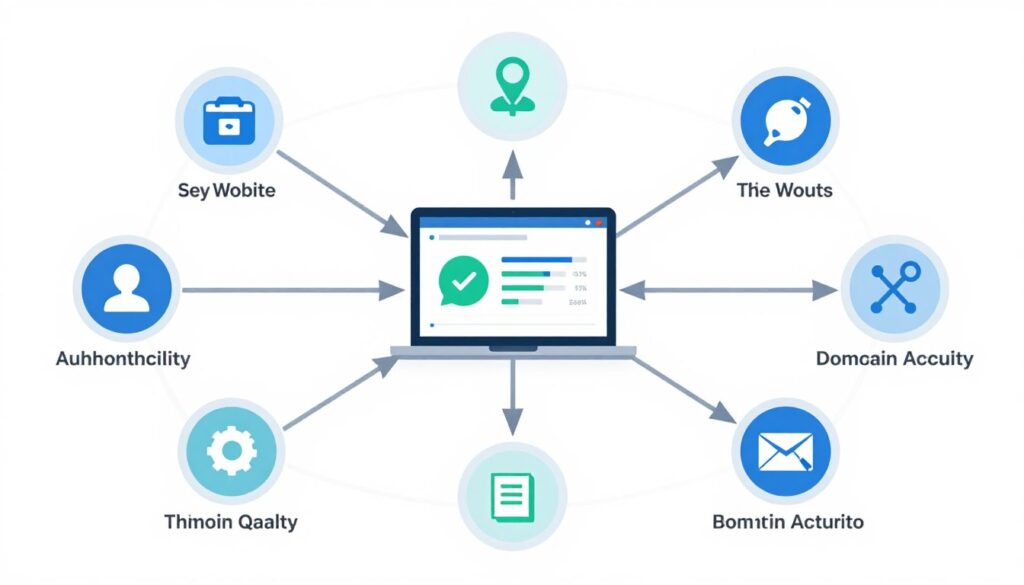
Backlinks remain one of the most powerful ranking factors in search engine algorithms. When reputable websites link to your content, search engines interpret this as a vote of confidence. Your site’s authority increases with each quality link acquired.
New websites face unique challenges in link building. Without established authority, earning links from high-quality sites proves difficult. The key is starting with realistic targets and gradually building your link profile over time.
Quality trumps quantity in modern link building. A single link from an authoritative, relevant site provides more SEO value than dozens of low-quality links. Focus your efforts on earning links that genuinely enhance your site’s credibility.
Link Building Strategies for New Websites
Start with foundational link opportunities requiring minimal authority. Business directory listings provide easy first links. Industry-specific directories offer more value than general directories. Ensure your business information remains consistent across all listings.
Resource page link building works exceptionally well for new sites. Find pages listing helpful resources in your industry. Create genuinely valuable content, then reach out suggesting your resource for inclusion. This approach provides relevant, contextual links.
Guest posting on established blogs builds both links and relationships. Target sites with engaged audiences in your niche. Provide exceptional content that delivers value to their readers. Include natural, contextual links back to relevant pages on your site.
- Industry publications and news sites
- Educational institution websites
- Government and municipal sites
- Established industry blogs
- Professional association directories
- Research and data resource pages
- Podcast and interview features
High-Value Link Sources
- Business directory listings
- Industry-specific directories
- Guest post opportunities
- Community forum profiles
- Local business listings
- Supplier and partner pages
- Testimonial and review links
Medium-Value Link Sources
- Link farms and networks
- Private blog networks (PBNs)
- Automated link building tools
- Paid link schemes
- Comment spam links
- Low-quality article directories
- Unrelated site link exchanges
Avoid These Link Sources
Creating Link-Worthy Content
The most sustainable link building strategy involves creating content that naturally attracts links. Original research, comprehensive guides, and unique tools earn links organically over time. Invest in content that provides genuine value to your industry.
Data-driven content performs exceptionally well for link acquisition. Conduct surveys, compile statistics, or analyze industry trends. Other websites will reference and link to your data in their own content. This creates a compounding link-building effect.
Visual content like infographics and interactive tools also attract links naturally. People share and reference visual information more readily than text. Ensure your visual content is embeddable, making it easy for others to share with proper attribution.
Outreach That Actually Works
Effective outreach begins with identifying the right prospects. Use tools to find websites that have linked to similar content. These sites have already demonstrated interest in your topic area, making them more likely to link to your content.
Personalize every outreach email. Generic templates get ignored or marked as spam. Reference specific articles on their site and explain why your content would benefit their audience. Keep emails concise and focused on the value you provide.
“Our link acquisition rate increased by 340% when we shifted from generic templates to highly personalized outreach. We research each prospect thoroughly and craft unique messages showing genuine familiarity with their work. This approach builds relationships beyond just acquiring links.”
Broken Link Building
Broken link building helps webmasters while earning links for your site. Find broken external links on relevant websites using specialized tools. Create content that serves as an excellent replacement for the dead link.
Reach out to the site owner informing them of the broken link. Suggest your content as a replacement that would benefit their visitors. This approach provides value to the webmaster while earning a quality backlink for your site.
Focus on finding broken links to resource pages, list articles, and reference compilations. These pages often link to multiple external sources, providing numerous opportunities. A single well-researched resource page can yield multiple link placements.
Download Our Link Building Template Pack
Get proven email templates for outreach, guest post pitches, broken link building, and resource page requests. Includes follow-up sequences that actually get responses.
Monitoring Your Backlink Profile
Track new backlinks using Google Search Console and specialized SEO tools. Monitor which pages earn the most links and analyze why. Replicate successful patterns in future content creation.
Watch for toxic backlinks that could harm your site. Spammy or low-quality sites sometimes link to your content without your knowledge. Use Google’s Disavow Tool only for genuinely harmful links after attempting removal.
Analyze competitor backlink profiles for opportunities. Tools can reveal who links to your competitors but not to you. These sites already cover your topic area and may be receptive to linking to your content if it provides unique value.
Internal Linking: Maximizing Your Site’s Link Equity
Internal linking distributes authority throughout your site while helping users discover related content. A strategic internal linking structure ensures link equity flows to your most important pages. This often-overlooked aspect of SEO delivers significant ranking improvements.
Search engines use internal links to discover new content and understand your site’s structure. Pages with more internal links pointing to them signal greater importance. Strategic internal linking can elevate the rankings of key pages without acquiring additional backlinks.
User experience benefits from thoughtful internal linking. Visitors find related information more easily, increasing engagement and time on site. These positive user signals contribute to better search rankings over time.
Strategic Internal Link Planning
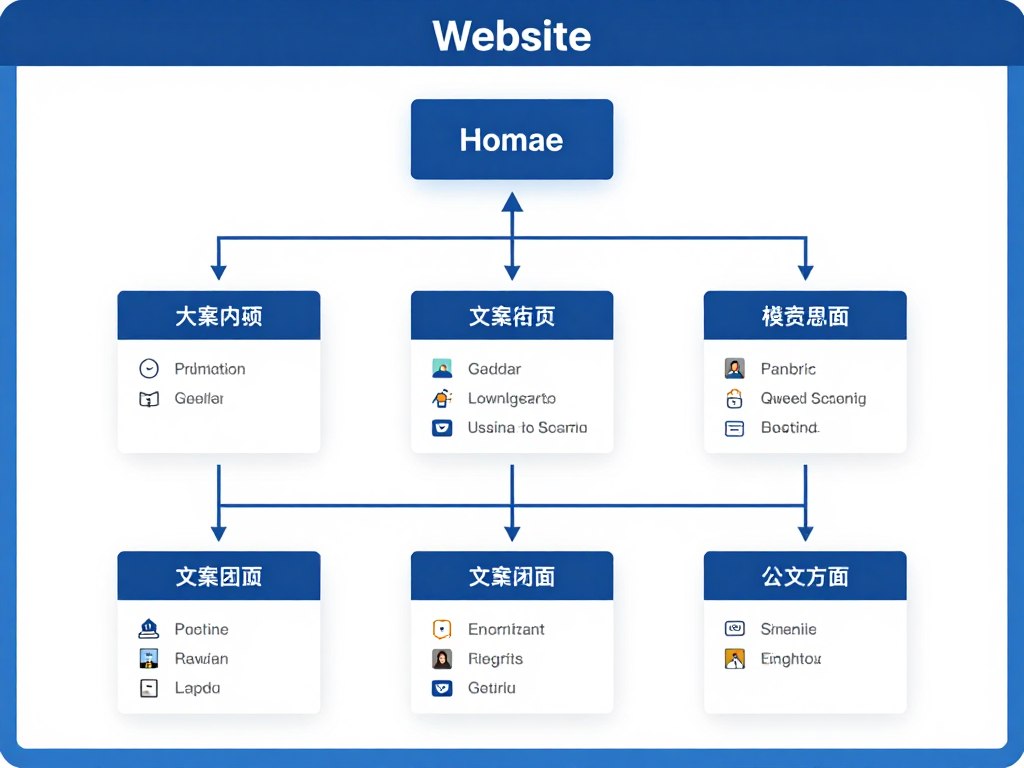
Identify your most important pages – typically money pages, pillar content, and conversion-focused articles. These pages should receive more internal links than other content. Create a hierarchy where link equity flows toward pages with the highest business value.
Use hub pages to distribute link equity efficiently. These intermediate pages link to multiple related articles while receiving links from other hub pages. This creates a logical site structure that both users and search engines can navigate easily.
Anchor Text Optimization
Anchor text tells search engines what the linked page is about. Use descriptive anchor text that includes relevant keywords naturally. Avoid generic phrases like “click here” or “read more” that provide no context.
Vary your anchor text across different links to the same page. Over-optimization with exact-match keywords can trigger spam filters. Mix exact-match, partial-match, branded, and natural language anchors for a healthy profile.
| Anchor Text Type | Example | Recommended Usage | SEO Impact |
| Exact Match | keyword research guide | 10-15% | High relevance, use sparingly |
| Partial Match | guide to keyword research | 15-20% | Natural and effective |
| Branded | YourSite’s keyword guide | 20-25% | Builds brand association |
| Natural/Generic | learn more about this topic | 40-50% | Safe, maintains natural profile |
| Naked URL | www.example.com/guide | 5-10% | Appears natural, low risk |
Contextual Relevance in Linking
Links should make sense within the content context. Users should understand why you’re suggesting another page and what value it provides. Contextual links convert better and provide stronger SEO signals than arbitrary linking.
Place links within body content rather than exclusively in sidebars or footers. In-content links receive more weight from search engine algorithms. They also generate higher click-through rates from engaged readers.
Link deep into your site, not just to top-level pages. Connecting specific articles to other specific articles creates a richer content network. This approach helps all pages gain authority, not just your homepage and main category pages.
Internal Link Audit and Maintenance
Regularly audit your internal linking structure to identify opportunities and fix issues. Use tools like Screaming Frog or Google Search Console to find broken internal links. Fix these immediately as they waste link equity and frustrate users.
Identify orphan pages – content with no internal links pointing to them. These pages are difficult for both users and search engines to discover. Add relevant internal links from related content to integrate orphan pages into your site structure.
Quick Audit Checklist: Check that every page has at least 2-3 internal links pointing to it. Ensure your most important pages receive links from multiple sources. Verify all links use descriptive anchor text. Fix any broken links immediately. Update old content with links to newer, related articles.
Navigation Structure Best Practices
Your main navigation should link to your most important pages. Keep navigation menus concise – overwhelming visitors with too many options reduces usability. Use dropdown menus sparingly and ensure they’re accessible on mobile devices.
Implement breadcrumb navigation on content pages. Breadcrumbs help users understand their location within your site hierarchy. They also create additional internal links that reinforce site structure for search engines.
Footer links provide another opportunity for strategic internal linking. Include links to key pages, categories, and important resources. Organize footer links into logical groups rather than creating a massive list.
CTR Optimization: Increasing Click-Through Rates from Search
Click-through rate from search results directly impacts your traffic volume. Even with high rankings, poor CTR means fewer visitors. Optimizing titles and meta descriptions can double your traffic without improving rankings at all.
Google monitors CTR as a ranking signal. Pages that attract more clicks from search results tend to rank higher over time. This creates a positive feedback loop where better CTR leads to better rankings, which generates even more traffic.
Your search result snippet competes against nine other organic results plus various SERP features. Standing out requires compelling copy that communicates value instantly. Users make split-second decisions about which result to click.

Crafting Compelling Title Tags
Title tags should be 50-60 characters to display fully in search results. Front-load important keywords since truncation occurs at the end. Include your brand name at the end when space allows.
Use power words that trigger emotional responses. Words like “complete,” “ultimate,” “proven,” and “step-by-step” increase perceived value. Numbers in titles also boost CTR – “7 Strategies” performs better than “Several Strategies.”
Match title tags to search intent. Informational queries need educational titles. Commercial queries benefit from comparison or review language. Transactional searches require action-oriented titles with clear value propositions.
High-CTR Title Patterns
- How to [Achieve Desired Result] in [Time Frame]
- [Number] Proven Ways to [Solve Problem]
- The Complete Guide to [Topic] ([Year])
- [Topic]: What You Need to Know
- [Product/Service] Review: Pros, Cons & Verdict
- Why [Common Belief] is Wrong (And What to Do Instead)
Title Tag Mistakes to Avoid
- Keyword stuffing that sounds unnatural
- Clickbait promises not delivered in content
- Duplicate title tags across multiple pages
- Generic titles lacking specific value
- Missing the target keyword entirely
- Exceeding character limits causing truncation
Meta Description Optimization
Meta descriptions should be 150-160 characters for optimal display. While not a direct ranking factor, they significantly influence CTR. Write descriptions that expand on the title’s promise and include a subtle call-to-action.
Include your target keyword in meta descriptions. Google bolds matching terms in search results, making your snippet more noticeable. This visual distinction can increase clicks even for results ranking below position one.
Address user pain points or questions directly in descriptions. Show that your content provides specific solutions. Generic descriptions that merely summarize the page perform poorly compared to benefit-focused copy.
Testing shows that meta descriptions emphasizing benefits over features generate 15-30% higher CTR. Instead of “This article covers SEO strategies,” try “Discover the exact SEO strategies that grew our traffic from 0 to 100K monthly visitors in 12 months.”
URL Display Optimization
Your URL appears below the title in search results. Clean, readable URLs build trust and provide context. Use hyphens between words and keep URLs concise while maintaining clarity.
Include relevant keywords in URLs naturally. The displayed URL should give users a clear idea of page content. Avoid randomly generated strings or excessive parameters that look spammy.
Rich Snippets and Structured Data
Rich snippets make your search listing stand out visually. Star ratings, review counts, prices, and other enhanced displays attract more clicks. Implement appropriate schema markup to earn these enhanced results.
FAQ schema can earn expanded SERP real estate with dropdown questions. This increases your listing’s visibility and often appears even when you don’t rank first. Recipe schema shows images, ratings, and cook times directly in results.
Test your structured data implementation using Google’s Rich Results Test tool. Ensure your markup follows schema.org guidelines correctly. Monitor Search Console for rich result errors and fix them promptly.
Review Schema
Display star ratings and review counts directly in search results. Works for products, services, local businesses, and more.
CTR Increase: 15-35% compared to standard listings
FAQ Schema
Show expandable question-answer pairs in search results. Occupies more SERP space and addresses user questions immediately.
CTR Increase: 20-40% due to expanded presence
Breadcrumb Schema
Replace standard URL with breadcrumb navigation trail. Helps users understand page location within site structure.
CTR Increase: 5-15% through improved clarity
Testing and Iteration
Monitor CTR performance through Google Search Console. Compare your average CTR against benchmark rates for each ranking position. Identify pages performing below expected CTR and optimize their titles and descriptions.
Test different title tag variations for important pages. Change one element at a time and monitor results over several weeks. Small tweaks to power words or number presentation can yield significant CTR improvements.
Analyze which competitors rank near you for target keywords. Study their titles and meta descriptions. Identify what makes their snippets compelling and how you can differentiate while providing greater value.
Core Updates: Staying Resilient Through Algorithm Changes
Google releases core algorithm updates several times per year. These updates can significantly shift rankings, sometimes causing traffic swings of 50% or more. Understanding how to navigate these changes separates sustainable sites from those that constantly chase algorithm trends.
Core updates aim to improve how Google assesses content quality overall. They’re not targeting specific techniques or penalties. Pages may see ranking changes simply because Google’s understanding of quality signals has evolved.
The best defense against negative core update impacts is building a fundamentally strong site. Focus on user experience, content quality, and meeting user intent. These principles remain constant regardless of algorithm adjustments.

E-E-A-T Principles
Google’s quality guidelines emphasize Experience, Expertise, Authoritativeness, and Trustworthiness (E-E-A-T). These factors increasingly influence rankings, especially for YMYL (Your Money, Your Life) topics affecting health, finances, or safety.
Demonstrate expertise through author credentials, detailed author bios, and comprehensive content. Show experience by including first-hand knowledge, case studies, and original research. Build authoritativeness through citations, references, and industry recognition.
Establish trust with transparent business information, clear contact details, and security certifications. User reviews, third-party verification, and professional associations all contribute to perceived trustworthiness.
Building E-E-A-T Signals
- Add comprehensive author bios with credentials
- Include expert quotes and citations
- Display security badges and certifications
- Show real business location and contact info
- Gather and display genuine user reviews
- Link to authoritative external sources
- Update content regularly with current data
- Demonstrate first-hand experience in content
Content Quality Assessment
Evaluate your content through Google’s lens. Does it provide substantial value beyond what competitors offer? Is the information accurate and up-to-date? Would you trust this content if you found it as a user?
Audit existing content regularly for quality issues. Thin content with minimal value should be improved, consolidated, or removed. Outdated information needs updating. Pages with high bounce rates may not satisfy user intent properly.
Focus on content depth and comprehensiveness. Surface-level articles rarely survive core updates. Deep dives that thoroughly explore topics demonstrate expertise and provide more value to users seeking complete information.
Monitoring Core Update Impact
Track your traffic during and after announced core updates. Use Google Analytics to identify which pages gained or lost traffic. Segment data by landing page to see exactly which content was affected.
Check Google Search Console for ranking changes across keyword groups. Significant drops often indicate content quality issues or better competitors emerging. Analyze what changed in top-ranking results for affected keywords.
Important: Don’t make hasty changes immediately after a core update. Google recommends waiting for the dust to settle before major site overhauls. Sometimes rankings stabilize after initial fluctuations. Analyze thoroughly before implementing large-scale changes.
Recovery Strategies
If a core update negatively impacts your site, focus on fundamental improvements rather than quick fixes. Review Google’s Quality Rater Guidelines to understand current quality standards. Identify gaps between your content and top-ranking competitors.
Improve affected pages by adding depth, updating information, and enhancing E-E-A-T signals. Sometimes removing low-quality content helps more than trying to improve everything. Focus resources on your most important pages first.
Be patient with recovery efforts. Core update recoveries typically require months, not weeks. Continue publishing quality content and building your site’s authority. Many sites recover partially with the next core update if they’ve made genuine improvements.
Schedule Your Free SEO Strategy Session
Speak with an SEO expert about your website’s specific situation. Get personalized recommendations for growing from 0 to 100K traffic based on your niche and resources.
Proactive Update Preparation
Stay informed about upcoming algorithm changes through official Google channels. Follow the Google Search Central blog and John Mueller’s guidance. Understanding Google’s priorities helps you align your strategy proactively.
Build a resilient site that can weather algorithm changes. Diversify traffic sources beyond organic search. Develop email lists, social media followings, and other owned channels. This reduces vulnerability to search engine volatility.
Focus on creating content for people, not algorithms. When you genuinely help users solve problems and answer questions, you naturally align with what search engines reward. This approach proves more sustainable than chasing algorithm-specific tactics.
Measuring Progress: Analytics and Key Performance Indicators
Tracking the right metrics determines whether your SEO efforts succeed. Many new website owners obsess over vanity metrics while ignoring data that actually matters. Understanding what to measure and how to interpret results guides effective strategy adjustments.
Google Analytics and Google Search Console provide most essential data for free. These tools track visitor behavior, search performance, and technical issues. Setting them up correctly from day one ensures you don’t miss critical insights.
Establish baseline metrics during your first month. Document your starting point for organic traffic, rankings, and conversions. This baseline allows you to measure growth accurately over time and demonstrate ROI from SEO investments.
Essential SEO Metrics to Monitor
Organic traffic represents the most fundamental SEO metric. Track total sessions from organic search and how this number trends over time. Break down organic traffic by landing page to identify your most successful content.
Keyword rankings show your visibility for target terms. Monitor rankings for your priority keywords weekly or monthly. Track not just current position but also ranking velocity – how quickly you’re gaining or losing positions.
Click-through rate from search results impacts traffic volume significantly. Compare your CTR against position benchmarks. Pages with below-average CTR need title and description optimization even if rankings are good.
| Metric | Tool | Frequency | Success Indicator |
| Organic Traffic | Google Analytics | Weekly | Consistent month-over-month growth |
| Keyword Rankings | SEO tools / GSC | Weekly | Moving up for priority keywords |
| Click-Through Rate | Google Search Console | Monthly | Above position average benchmarks |
| Backlink Profile | SEO tools | Monthly | Steady growth in quality links |
| Page Speed | PageSpeed Insights | Monthly | Core Web Vitals passing |
| Conversion Rate | Google Analytics | Weekly | Improving over time |
Setting Realistic Growth Expectations
New websites typically see minimal organic traffic in months one through three. The sandbox effect limits visibility during this period. Focus on content creation and technical foundations rather than obsessing over traffic numbers.
Months four through six usually show initial traction. You’ll start ranking for long-tail keywords and seeing steady traffic growth. Expect 10-50% month-over-month increases during this phase if you’ve executed well.
Months seven through twelve bring exponential growth potential. As your site builds authority and content compounds, traffic can double or triple. The path from 1,000 to 10,000 monthly visitors happens faster than 0 to 1,000.

Conversion Tracking Setup
Traffic means nothing without conversions. Define what conversions mean for your business – newsletter signups, contact form submissions, product purchases, or other actions. Set up goal tracking in Google Analytics for every conversion type.
Calculate conversion value to measure SEO ROI accurately. If you know customer lifetime value, you can determine how much to invest in SEO. Track which pages and keywords drive the highest-value conversions, not just the most traffic.
Monitor the entire conversion funnel. Identify where users drop off between landing on your site and converting. High traffic with low conversions suggests user intent mismatch or poor landing page optimization.
Competitive Benchmarking
Compare your performance against competitors using SEO tools. Track their estimated traffic, ranking keywords, and backlink profiles. This competitive intelligence reveals opportunities and validates your progress.
Don’t get discouraged by established competitors’ numbers. Your growth rate matters more than absolute traffic volume when you’re new. Consistent 20% monthly growth quickly closes gaps with larger competitors.
Advanced Optimization Tactics for Accelerated Growth
Once foundational elements are in place, advanced tactics can accelerate your journey to 100K monthly traffic. These strategies require more sophistication but deliver outsized results when executed properly.
Topic Clustering at Scale
Expand beyond basic content clusters to dominate entire topic areas. Create multiple pillar pages covering different aspects of your industry. Each pillar should have 15-20 cluster articles, creating comprehensive topical coverage.
Map out your industry’s knowledge graph. Identify every subtopic, related question, and adjacent area. Systematically create content covering this entire knowledge domain. This establishes unassailable topical authority.
Content Refreshing Strategy
Old content often represents your biggest growth opportunity. Pages with existing rankings and traffic can be updated for significant gains. Google favors fresh, current information for most queries.
Audit content quarterly for update opportunities. Add new sections covering recent developments. Update statistics and examples with current data. Expand thin sections with additional depth. Republish with updated dates.
- Pages ranking positions 4-10
- Content with declining traffic
- Articles over 12 months old
- Pages with outdated statistics
- Topics with recent industry changes
Priority Update Targets
- Add 300-500 new words
- Update all statistics and data
- Improve title and meta description
- Add new images or visuals
- Expand thin sections significantly
Update Actions to Take
- 10-30% traffic increase
- Improved average ranking position
- Better user engagement metrics
- Extended content lifespan
- Compound growth over time
Expected Results
Strategic Content Pruning
Not all content deserves to exist. Low-quality pages can drag down your site’s overall quality score. Identify and address underperforming content through consolidation, improvement, or deletion.
Run a content audit using Google Analytics and Search Console data. Find pages with minimal traffic, high bounce rates, and no rankings. Evaluate whether these pages serve any purpose for users or business goals.
Consolidate similar thin content into comprehensive resources. Redirect multiple weak pages to one strong page covering the topic thoroughly. This concentrates link equity and presents better content to users.
Featured Snippet Optimization
Featured snippets occupy position zero above all organic results. Earning these placements drives significant traffic despite ranking position. Target featured snippet opportunities strategically for high-impact keywords.
Identify keywords where competitors hold featured snippets. Analyze the snippet format – paragraph, list, table, or video. Create content specifically formatted to replace the current featured snippet holder.
Answer questions concisely in 40-60 words for paragraph snippets. Use numbered lists for step-by-step processes. Create tables for comparison data. Structure content with clear headings that match question phrasing.
Video Content Integration
Video content increasingly appears in search results. Creating videos on your topics can capture this additional SERP real estate. Videos also improve user engagement and time on site.
Embed videos in relevant articles to enhance content quality. Create video transcripts for SEO value. Optimize video titles and descriptions with target keywords. Submit video sitemaps to help search engines discover video content.
Scaling Content Production Without Sacrificing Quality
Reaching 100K monthly traffic requires substantial content volume. New websites need 50-100 high-quality articles to achieve this milestone. Scaling production while maintaining quality poses a significant challenge.
Building a Content System
Document your content creation process from ideation through publication. Create templates for different content types. Develop style guides ensuring consistency across all pieces. Systems allow you to scale production efficiently.
Establish a content calendar planning six months ahead. Map content to keyword targets and topic clusters. Balance different content types – guides, how-tos, comparisons, and listicles. Schedule regular publication dates to maintain momentum.

Quality Control Measures
Implement editorial standards that every piece must meet. Use readability tools to ensure content accessibility. Run plagiarism checks to verify originality. Fact-check all statistics and claims before publication.
Create an editorial review process with multiple checkpoints. Have different people handle writing, editing, and final review. Fresh eyes catch issues the original writer might miss. Quality control becomes more critical as volume increases.
Repurposing Content Efficiently
Extract maximum value from research and content creation efforts. Turn comprehensive guides into multiple smaller articles. Create infographics from data-heavy posts. Develop video content from written tutorials.
Update and republish evergreen content regularly. A single piece can drive traffic for years with periodic refreshes. This strategy provides better ROI than constantly creating net-new content on lower-value topics.
Common Mistakes That Derail New Website SEO
Learning from others’ mistakes saves time and prevents costly errors. New website owners repeatedly make the same SEO blunders. Avoiding these pitfalls keeps your growth trajectory on track.
Targeting Keywords Too Competitive for New Sites
Many new sites waste months targeting highly competitive keywords they can’t realistically rank for. A new site won’t outrank established authorities for broad, high-volume terms. Focus on long-tail keywords and build authority gradually. Success with easier keywords generates momentum for tackling harder targets later.
Neglecting Technical SEO Fundamentals
Brilliant content can’t rank if technical issues prevent proper crawling and indexing. New sites sometimes launch without proper XML sitemaps, robots.txt files, or mobile optimization. Address technical foundations before focusing heavily on content creation. These basics determine whether search engines can even access your content.
Publishing Thin, Low-Quality Content at Scale
Quantity never compensates for quality in SEO. Publishing 100 thin articles generates less value than 10 comprehensive guides. Google’s algorithms easily identify and devalue low-effort content. Focus on creating genuinely helpful resources that thoroughly address user needs. Depth and quality consistently outperform volume-based strategies.
Ignoring User Experience Signals
SEO extends beyond keywords and links to how users interact with your site. High bounce rates, poor engagement, and fast exits signal quality problems to search engines. Design your site for users first, search engines second. Intuitive navigation, fast loading, and valuable content create positive user signals that improve rankings.
Building Links Too Aggressively Too Early
Unnatural link velocity triggers spam filters. Acquiring dozens of backlinks immediately after launch appears manipulative. Build links gradually at a pace that looks organic. Focus first on creating link-worthy content, then earning links naturally. Aggressive link building often backfires for new domains.
Overlooking Internal Linking Strategy
Many sites create excellent content but fail to connect it properly. Without strategic internal linking, pages remain isolated and accumulate less authority. Every new article should link to relevant existing content. Older articles should be updated with links to newer pieces. This interconnection distributes authority and helps users discover related information.
Critical Warning: Avoid black-hat SEO techniques promising quick results. Private blog networks, purchased links, and keyword stuffing create short-term gains followed by severe penalties. Recovery from manual penalties can take months or years. The legitimate path takes longer but builds sustainable rankings.
Realistic Timeline: From Launch to 100K Monthly Traffic
Understanding the typical timeline for SEO success sets realistic expectations. While individual results vary, most new websites follow a predictable growth pattern. Your specific timeline depends on niche competitiveness, content quality, and execution consistency.
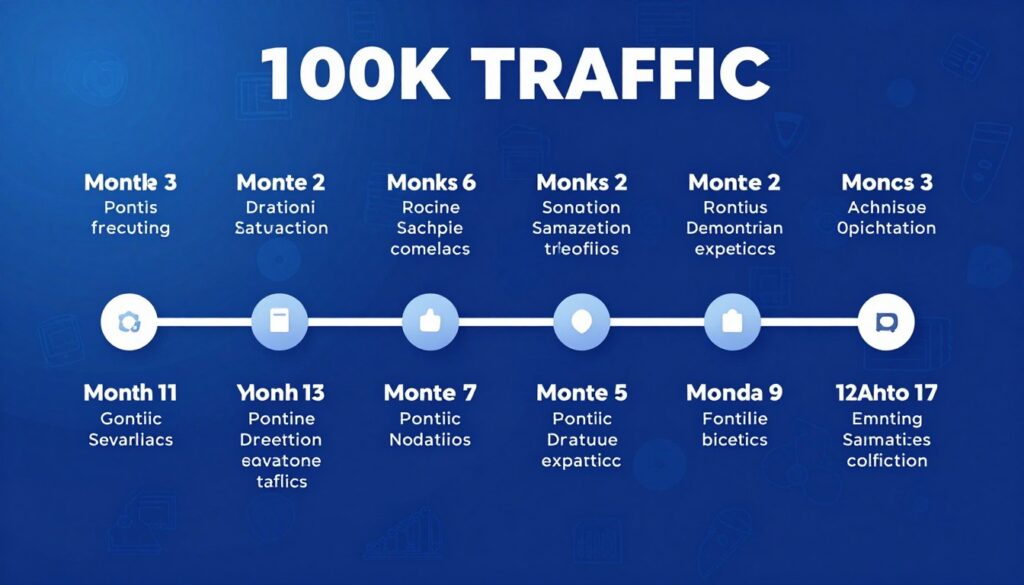
Months 1-3: Foundation Building Phase
The first three months focus on establishing technical foundations and initial content. Expect minimal organic traffic during this period. Google treats new domains cautiously, requiring time to assess quality and intent.
Launch with 15-20 high-quality articles targeting long-tail keywords. Ensure technical SEO elements are perfect. Submit sitemaps and request indexing. Begin relationship building for future link opportunities.
- Complete technical SEO setup and audits
- Publish 15-20 comprehensive articles
- Set up analytics and tracking properly
- Begin building initial backlink foundation
- Establish content creation systems
- Expected traffic: 100-500 monthly visitors
Months 4-6: Initial Traction Phase
Traffic begins accelerating as your early content starts ranking. Long-tail keywords deliver first visitors. Google starts understanding your site’s topical focus. Build momentum through consistent publishing.
Expand content library to 35-50 total articles. Focus on content clusters around core topics. Intensify link building efforts targeting easy opportunities. Start seeing which content types perform best.
- Publish 20-30 additional high-quality articles
- Acquire 15-25 quality backlinks
- Optimize underperforming content from early months
- Begin targeting medium-difficulty keywords
- Refine strategy based on performance data
- Expected traffic: 1,000-3,000 monthly visitors
Months 7-9: Acceleration Phase
Growth accelerates significantly as content compounds and authority builds. Rankings improve for medium-difficulty keywords. Earlier content gains additional rankings for related terms. Link profile strengthens through accumulated efforts.
Scale content production while maintaining quality. Update top-performing articles for even better results. Pursue higher-authority link opportunities. Consider hiring help to maintain publishing pace.
- Expand content library to 70-80 total articles
- Acquire 30-50 total backlinks
- Refresh and expand top-performing content
- Target more competitive keywords strategically
- Optimize for featured snippets and SERP features
- Expected traffic: 5,000-15,000 monthly visitors
Months 10-12: Scaling Phase
Exponential growth becomes possible as multiple factors compound. Rankings for competitive keywords improve. Brand searches increase. Content from earlier months ranks for additional terms organically. The flywheel effect takes hold.
Maintain aggressive publishing schedule. Focus on content that converts, not just traffic. Build upon successful topics with deeper coverage. Pursue strategic partnerships and higher-authority backlinks.
- Reach 100+ high-quality published articles
- Build total backlink profile to 75-100+ links
- Achieve rankings for competitive head terms
- Optimize conversion funnels based on data
- Scale successful content strategies
- Expected traffic: 25,000-100,000+ monthly visitors
Important Note: This timeline assumes consistent execution of quality SEO practices. Less competitive niches may achieve 100K traffic faster. Highly competitive industries might require 18-24 months. The key is maintaining consistent effort and adjusting based on results.
Your Path Forward: Implementing This SEO Blueprint
Growing a new website from zero to 100K monthly visitors is absolutely achievable with the right blueprint and consistent execution. The strategies outlined in this guide have helped thousands of websites reach significant organic traffic milestones.
Success requires patience, persistence, and willingness to learn continuously. SEO is a marathon, not a sprint. The sites that win focus on providing genuine value to users rather than gaming algorithms. Build something truly useful and search engines will reward you.
Start by implementing the fundamentals – technical optimization, keyword research, and quality content creation. Master these basics before pursuing advanced tactics. A solid foundation prevents costly mistakes and rebuilding later.
Immediate Action Steps
Begin your SEO journey with these concrete next steps. Taking action separates successful websites from those that remain stuck at zero traffic. Each step builds toward your ultimate goal of sustainable organic growth.
Week 1 Priorities
Focus on critical foundation elements that determine long-term success. These technical and strategic decisions shape everything that follows.
- Complete technical SEO audit and fixes
- Set up Google Search Console and Analytics
- Conduct initial keyword research
- Plan first content cluster
Month 1 Goals
Build momentum through consistent content creation and optimization. Establish systems that support scaling later.
- Publish 5-7 comprehensive articles
- Optimize all on-page SEO elements
- Begin outreach for initial backlinks
- Document content creation process
Quarter 1 Milestones
Establish your site’s topical authority and start seeing initial traction from search engines.
- Reach 20+ published articles
- Earn 10-15 quality backlinks
- Rank for 50+ long-tail keywords
- Generate 500+ monthly organic visitors
Year 1 Targets
Scale operations while maintaining quality to reach significant traffic milestones that drive business results.
- Publish 100+ total articles
- Build 75-100 backlink profile
- Rank for competitive keywords
- Achieve 100K monthly traffic goal
Staying Accountable and Motivated
The path to 100K traffic includes inevitable challenges and plateaus. Maintaining motivation through slow periods determines who ultimately succeeds. Track your progress weekly to see incremental improvements that monthly reviews might miss.
Join communities of other website owners pursuing similar goals. Share wins, challenges, and strategies. External accountability helps maintain consistency when motivation wanes. The journey is easier with support from people who understand the process.
Celebrate small wins along the way. Your first 100 visitors, first keyword ranking on page one, first organic lead – these milestones matter. They prove your strategy works and build momentum toward larger goals.
Get Your Complete Website SEO Audit
Receive a comprehensive analysis of your website covering technical SEO, content quality, backlink profile, and optimization opportunities. Get a custom roadmap for reaching 100K monthly traffic based on your specific situation. Limited to first 50 websites.
Your new website has tremendous growth potential. The strategies in this blueprint work regardless of niche or industry. What separates successful sites from failed ones isn’t secret tactics – it’s consistent execution of proven fundamentals.
Start today. Choose one section of this guide and implement it fully. Then move to the next. Progress compounds over time. The traffic you build through SEO becomes a permanent asset generating value for years to come.
The journey from zero to 100K traffic transforms businesses. Organic search delivers qualified visitors actively seeking solutions you provide. This traffic converts better than paid advertising and costs nothing once established. Your future self will thank you for starting now.