
In today’s digital world, having a strong online presence is key for small businesses to succeed. One of the best ways to do this is by making your website search engine friendly.
Search Engine Optimization (SEO) is a great tool. It helps your website show up higher in search results. This brings more visitors and potential customers to your site. As a small business owner, knowing how important SEO is can help you stay competitive.
Our detailed checklist aims to boost your website’s visibility and sales. By using this SEO checklist, you can spot areas for improvement. You’ll make informed decisions to enhance your online success.
Table of Contents:
Key Takeaways
- Understand the importance of SEO for small businesses
- Learn how to optimize your website for search engines
- Improve your website’s visibility and drive more sales
- Stay ahead of the competition with our comprehensive SEO checklist
- Make data-driven decisions to boost your online success
Understanding SEO Basics for Small Businesses
For small businesses, learning about SEO is key in today’s digital world. Online presence is vital, and SEO helps you reach your audience.
SEO, or Search Engine Optimization, makes your website more visible. It helps you rank higher in search engines for certain keywords. Knowing the basics can greatly improve your online visibility.
What is SEO and Why is it Important?
SEO is crucial because it boosts your website’s visibility. This leads to more traffic and potential sales. By optimizing your site, you make it easier for customers to find you.
The importance of SEO is in connecting businesses with their audience. It increases website traffic and boosts the chance of converting visitors into customers.
Key SEO Terminology You Should Know
Knowing key SEO terms is vital for understanding search engine optimization. Here are some important ones:
| Term | Definition |
|---|---|
| Keyword | A word or phrase that people enter into search engines to find what they’re looking for. |
| Meta Description | A short summary of a webpage that appears in search engine results, enticing users to click through. |
| Backlink | A link from one website to another, seen as a vote of confidence by search engines. |
| Organic Search | Search engine results that are not paid for, determined by their relevance to the search query. |
By learning these SEO basics, you can optimize your website. Understanding SEO terminology is the first step to growing your small business.
Keyword Research: The Foundation of Your Strategy
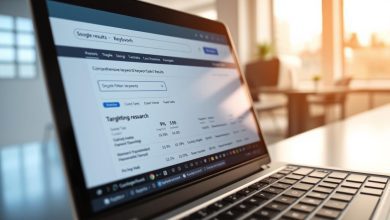
Keyword research is key to a good SEO plan. It helps small businesses find out what people search for. This way, they can make their website better and get more visitors.
Good keyword research is not just about guessing. You need the right tools to find the best keywords for your business. Let’s look at some tools and methods that can help.
Tools for Effective Keyword Research
There are many tools for keyword research, each with its own strengths. Some top ones are:
- Google Keyword Planner: A free tool for finding keywords and estimating search volume.
- Ahrefs: Offers detailed keyword research, including competitor analysis and finding content gaps.
- SEMrush: Gives deep insights into keywords, competitor analysis, and technical SEO audits.
- Moz Keyword Explorer: Helps find relevant keywords and estimates their difficulty and potential.
With these tools, you can make a list of keywords that fit your business. It’s important to think about search volume, competition, and how well they match your business.

Long-Tail Keywords vs. Short-Tail Keywords
When you do keyword research, you’ll find two types: long-tail and short-tail. Knowing the difference is key for a good SEO plan.
| Keyword Type | Description | Example | Search Volume | Competition |
|---|---|---|---|---|
| Short-Tail Keywords | Broad, generic terms | “shoes” | High | High |
| Long-Tail Keywords | More specific phrases | “women’s size 8 running shoes” | Lower | Lower |
Short-tail keywords are broad and hard to rank for. Long-tail keywords are more specific and less competitive. They often lead to higher conversion rates because they target specific customers.
Using a mix of short-tail and long-tail keywords can attract more people. It also helps target specific customer groups more effectively.
On-Page SEO Essentials for 2026
In 2026, knowing on-page SEO can boost your small business’s search rankings. Search engines keep changing, so it’s key to use good on-page SEO. This helps your site get seen more and attract the right visitors.
Crafting Engaging Meta Descriptions
Meta descriptions are key to getting people to click on your site from search results. A good meta description should grab attention, be informative, and include the right keywords. It should be short, between 150-160 characters, to show up well in search results.
When writing meta descriptions, aim for a clear call-to-action. Use phrases like “Discover more” or “Learn how” to encourage clicks. Also, make sure each page has its own unique meta description that matches its content.
Optimizing Header Tags for Better Visibility
Header tags (H1, H2, H3, etc.) help organize your content and help search engines understand your page’s structure. The H1 tag is for the main title, and H2 and H3 for subheadings. Using header tags right makes your site easier to read and boosts SEO.
- Use H1 tags for main titles.
- Utilize H2 and H3 tags for subheadings.
- Ensure header tags are descriptive and include target keywords.
Importance of Internal Linking
Internal linking is a strong SEO tactic that helps search engines see your site’s layout and content. By linking to other relevant pages, you improve user experience and help search engines find your content. Good internal linking means a clear page hierarchy and descriptive link text.
To get the most from internal linking, follow these tips:
- Create a clear site structure.
- Use descriptive anchor text for links.
- Avoid over-linking; focus on relevance.
User Experience and Site Performance
User experience and site performance are key to a small business website’s SEO success. A fast-loading site that works well on all devices keeps visitors coming back. This can also boost its ranking in search engines.
Factors that Impact Load Time
Several things can slow down a website. These include image sizes, server response time, and browser caching. Making images smaller and using the right formats can make a big difference.
For example, tools like TinyPNG or ImageOptim can shrink images without losing quality. Also, using browser caching saves resources locally. This means fewer HTTP requests are needed.
| Factor | Impact on Load Time | Optimization Tip |
|---|---|---|
| Image Size | Large images can slow down your site. | Compress images using tools like TinyPNG. |
| Server Response Time | A slow server response time can delay page loading. | Consider upgrading your hosting plan or using a CDN. |
| Browser Caching | Not leveraging browser caching means more HTTP requests. | Enable browser caching to store frequently-used resources locally. |
Mobile Optimization: A Must for Small Businesses
Most people use mobile devices to access the internet. So, mobile optimization is essential. A site that works well on mobile devices makes content easy to find and use.
To make your site mobile-friendly, use a responsive design. This design changes layout based on the device. Make sure buttons and links are easy to click on small screens. And keep content short and simple to read.
Creating High-Quality, Relevant Content
To stand out online, your content must be both relevant and high-quality. This is key to grabbing and keeping your audience’s attention. High-quality content makes your site better for users and boosts your SEO.
Content Calendar: Plan Your Topics Ahead
Planning your content ahead is a smart move for SEO. A content calendar helps you organize and schedule your posts. This ensures your content stays consistent and relevant.
“Content marketing is a commitment, not a campaign.” – Joe Pulizzi
This quote highlights the need for ongoing planning in content marketing.
To make a good content calendar, follow these steps:
- Know your target audience and what they need.
- Find topics and keywords that are relevant.
- Plan your content around important dates and events.
- Keep checking and updating your calendar.
Engaging Your Audience with Visuals
Visual content is crucial for engaging your audience and making your content more appealing. Using high-quality visuals like images, videos, and infographics can help keep users interested.
Make sure your visuals are relevant and add value to your content. As
“The right image can make or break the impact of your content.”
By combining a well-planned content calendar with engaging visuals, you can create a strong content strategy. This strategy will resonate with your audience and improve your SEO.
Local SEO: Reaching Your Community
In today’s digital world, local SEO is key for small businesses to shine in their area. By making your online presence local-friendly, you can reach more people nearby.
Claiming and Optimizing Your Google My Business Profile
Claiming and optimizing your Google My Business (GMB) profile is a must for local SEO. This free tool helps you control how your business shows up on Google Search and Maps.
- Claim your GMB listing and verify your business location.
- Fill out your profile with the latest info, like your business name, address, phone number, and hours.
- Add great photos of your business to draw in customers.
- Ask happy customers to leave reviews on your GMB profile.

Building Local Citations and Backlinks
Local citations and backlinks are crucial for better local SEO. Citations are when your business info shows up on other sites. Backlinks are links from other sites to yours.
- List your business in local directories and citations sites, keeping your NAP the same everywhere.
- Work with local businesses, groups, and charities to get backlinks.
- Join local events and support local charities to boost your online presence.
By using these tactics, small businesses can boost their local SEO. This brings more visitors to their website and physical store.
Technical SEO: Getting the Back-End Right
For small businesses, mastering technical SEO is key. It’s not just about being seen. It’s about being trusted and secure online. Technical SEO includes elements that improve your website’s visibility, credibility, and user experience.
Ensuring a Solid Foundation is crucial. This includes site speed, mobile responsiveness, and security. One important part of technical SEO is SSL certificates. SSL certificates encrypt data between your website and users, keeping information safe and building trust.
Importance of SSL Certificates
SSL certificates are now a must-have. Here’s why:
- They secure your website and protect user data.
- Search engines like Google favor secure sites in rankings.
- Users trust and stay longer on secure websites.
Using Structured Data to Enhance Visibility
Structured data helps search engines understand your webpage. By adding schema markup to your HTML, you can make your site more visible in search results.
Structured data offers several benefits:
- It increases visibility in search engine results pages (SERPs).
- It can lead to higher click-through rates with better search listings.
- Search engines understand your content better, which can improve rankings.
To use structured data well, you need to know the different types and how to apply them. Common types include:
- Review schema for product or service reviews.
- Event schema for upcoming events or webinars.
- Recipe schema for cooking websites or blogs.
By focusing on these technical SEO aspects, small businesses can boost their online presence. This makes it easier for potential customers to find and trust them.
Link Building Strategies for Small Businesses
In the world of SEO, link building is key for small businesses. The internet is getting busier, making a strong online presence crucial. Link building is at the core of this.
Link building isn’t just about getting links. It’s about getting high-quality backlinks that make your site credible. Quality over quantity is what small businesses should aim for in their link building plans.
Importance of Quality Over Quantity
The quality of backlinks matters more than how many you have. One link from a trusted site is worth more than many from low-quality ones. Search engines like Google see these links as proof of your content’s worth.
To aim for quality, small businesses should:
- Create content that’s informative, engaging, and worth linking to.
- Guest blog on reputable sites in their niche.
- Join online communities related to their industry, sharing knowledge and building authority.

Networking for Natural Backlinking
Networking is great for small businesses, not just for making friends but also for getting natural backlinks. By being seen as a leader in your field, you’re more likely to get links from other trusted sites.
Some good networking strategies include:
- Working with other businesses or influencers in your niche on projects or events.
- Going to industry events, like conferences and workshops.
- Being active in online forums, sharing your expertise and advice.
By using these strategies, small businesses can build a solid link building base. This boosts their SEO and makes them more visible online.
Measuring SEO Success: Key Metrics to Track
To see how well your SEO is working, you need to watch a few important metrics. These metrics show how your website is doing. Knowing this helps you see if your online efforts are helping your business.
Tools for Monitoring Your SEO Performance
There are many tools to help you keep an eye on your SEO. Google Analytics is a top choice. It shows you how many people visit your site, how they act, and if they buy anything. Tools like Ahrefs, SEMrush, and Moz also offer detailed SEO checks, link analysis, and keyword tracking.
When picking an SEO tool, think about what matters most to your business. Some key things to watch include:
- Organic traffic
- Keyword rankings
- Backlink quality and quantity
- Page load speed
- Mobile usability
| Metric | Description | Importance |
|---|---|---|
| Organic Traffic | The number of visitors coming from search engines | High |
| Keyword Rankings | Your website’s position in search engine results for target keywords | High |
| Backlink Quality | The authority and relevance of websites linking to your site | Medium |
Understanding Google Analytics Reports
Google Analytics gives you lots of info about your website. To check your SEO success, look at reports on organic traffic, user actions, and sales. The Acquisition > All Traffic > Source/Medium report shows how people find your site.
By studying these reports, you can spot where to improve your SEO. This helps you make smart choices to boost your online presence.
Adapting to SEO Trends in 2026
SEO is always changing, and small businesses need to keep up. We’ve covered the basics of SEO, from finding the right keywords to building links. Now, let’s dive into the newest SEO trends to boost your online presence.
Voice Search Optimization
Voice assistants like Siri and Google Assistant are getting more popular. To keep up, use natural language and long-tail keywords. Make your content short and to the point, answering questions directly to rank well in voice searches.
Embracing AI in Content Creation and SEO
Artificial intelligence is changing how we make and optimize content. AI tools can analyze data, predict trends, and even create content. By using AI, small businesses can make their SEO work easier, improve content quality, and stay ahead in the digital world.
By keeping up with these SEO trends, small businesses can make their strategies better. This will help them get more online visibility and more website visitors. Being informed and quick to adapt is crucial for SEO success.