
Artificial Intelligence has quietly woven itself into the fabric of our daily routines, transforming how we live, work, and interact with the world around us. From the moment we wake up to when we go to sleep, AI in daily life influences countless aspects of our modern existence—often in ways we don’t even notice. These intelligent systems analyze our preferences, anticipate our needs, and streamline our tasks, creating a more personalized and efficient lifestyle.
Many people don’t realize they interact with AI multiple times each day. When you ask your smart speaker about the weather, receive personalized product recommendations, or unlock your phone with facial recognition, you’re engaging with sophisticated AI systems that learn and adapt to your behavior. The real magic of AI lies in its ability to handle complex tasks while maintaining a seamless user experience.
Table of Contents:
AI in Smart Homes: The Digital Heart of Modern Living
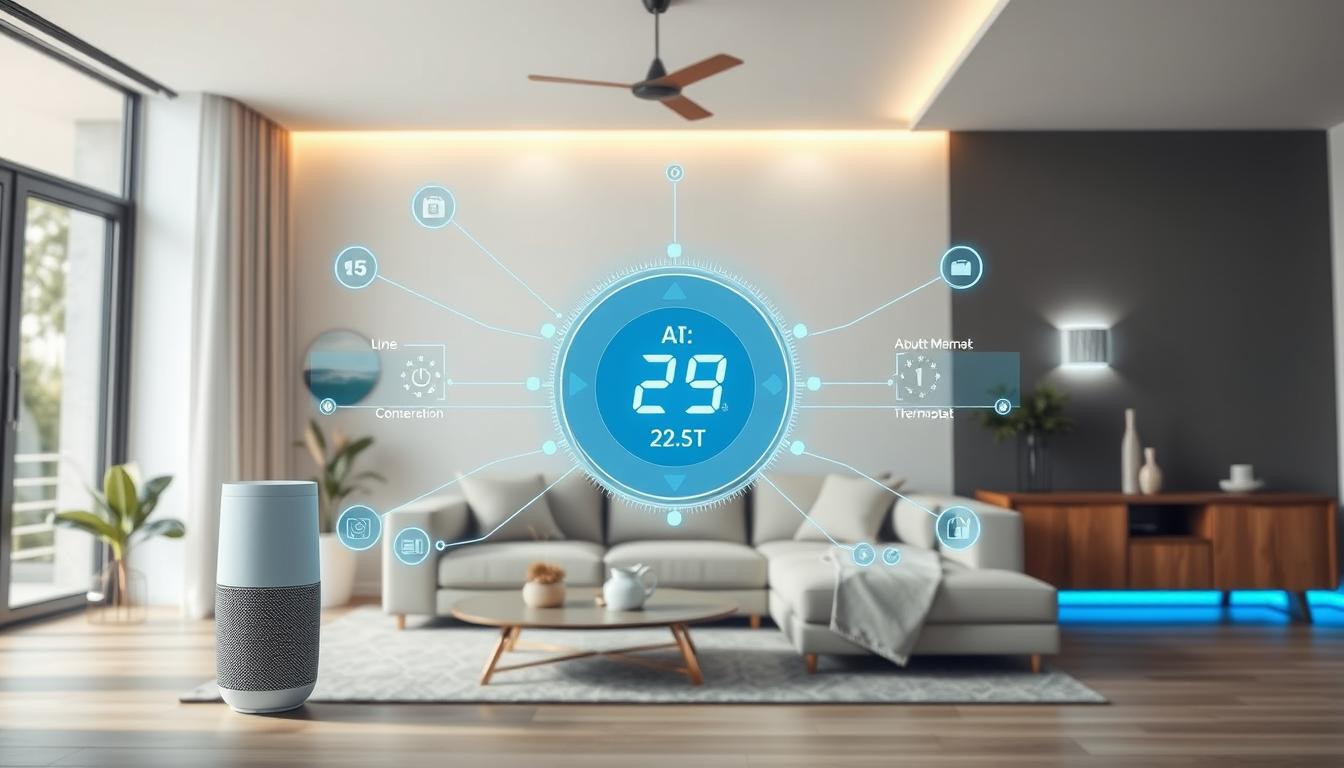
Smart homes represent one of the most visible examples of AI in daily life. These intelligent living spaces use machine learning algorithms to understand resident preferences and create more comfortable, efficient environments.
Voice Assistants: Your AI Companions
Voice-activated assistants like Amazon’s Alexa, Google Home, and Apple’s Siri have become central fixtures in modern households. These AI systems use natural language processing to understand context, remember preferences, and learn from past interactions to provide increasingly personalized responses.
According to a 2023 survey by Statista, over 35% of U.S. households now own at least one smart speaker, with users primarily employing them for:
- Playing music and entertainment (82%)
- Answering general questions (75%)
- Checking weather forecasts (73%)
- Setting timers and alarms (66%)
- Controlling other smart home devices (45%)
Energy Optimization Through AI
Smart thermostats like Nest and Ecobee use artificial intelligence to analyze temperature preferences and daily routines, optimizing home comfort while cutting energy costs. These devices learn when residents wake up, leave for work, and return home, adjusting temperatures automatically to save energy without sacrificing comfort.
Studies show that AI-powered thermostats can reduce heating and cooling costs by up to 15% annually, representing significant energy savings while reducing environmental impact.
AI-Enhanced Security Systems
Modern home security has been revolutionized by artificial intelligence. Smart cameras now use machine learning to distinguish between pets, people, and packages, alerting homeowners about suspicious activity while ignoring routine movements.
These systems continuously improve through data analysis, learning to recognize family members and regular visitors while flagging unknown individuals. Some advanced systems can even detect unusual sounds like breaking glass or smoke alarms, providing comprehensive protection.
Enhance Your Home with AI Technology
Discover how the latest smart home innovations can transform your living space into an intelligent, responsive environment.
AI Transforming Healthcare and Wellness

Artificial intelligence is revolutionizing healthcare by enhancing diagnostics, personalizing treatment plans, and empowering individuals to take control of their well-being through smart monitoring devices.
AI-Driven Diagnostics
Machine learning algorithms now analyze medical images with remarkable accuracy, helping doctors detect diseases earlier and with greater precision. AI systems can identify patterns in X-rays, MRIs, and CT scans that might escape the human eye, particularly in fields like radiology and pathology.
A 2022 study published in Nature Medicine demonstrated that AI diagnostic tools achieved a 95% accuracy rate in detecting certain cancers—comparable to experienced specialists but with greater consistency and speed.
Wearable Health Monitors
Devices like Apple Watch, Fitbit, and Oura Ring use artificial intelligence to track vital signs, sleep patterns, and activity levels. These smart wearables analyze personal data to provide insights and recommendations tailored to individual health profiles.
Modern health wearables can detect irregularities in heart rhythms, monitor blood oxygen levels, and even predict potential health issues before symptoms appear. The AI algorithms powering these devices continuously improve as they gather more data about the user’s habits and physiological responses.
Personalized Treatment Plans
Healthcare providers increasingly use AI to develop customized treatment strategies based on a patient’s genetic makeup, medical history, and lifestyle factors. This approach, known as precision medicine, represents a significant shift from the traditional one-size-fits-all model.
AI systems analyze thousands of variables to predict how patients might respond to different treatments, helping doctors select the most effective options with fewer side effects. This technology is particularly valuable in complex fields like oncology, where treatment responses vary widely between individuals.
“Artificial intelligence is not replacing healthcare professionals—it’s augmenting their capabilities, allowing them to make better-informed decisions and focus more on patient care rather than administrative tasks.”
AI Revolutionizing Transportation and Commuting

Artificial intelligence is transforming how we move through the world, making transportation safer, more efficient, and increasingly autonomous. From navigation apps to self-driving vehicles, AI technologies are reshaping our daily commutes.
Autonomous Vehicles
Self-driving cars represent one of the most visible applications of AI in transportation. Companies like Tesla, Waymo, and GM’s Cruise use sophisticated machine learning systems to navigate complex traffic scenarios without human input.
These vehicles employ multiple AI technologies working in concert:
- Computer vision systems that identify road features, other vehicles, and pedestrians
- Predictive algorithms that anticipate the movements of other road users
- Decision-making systems that determine optimal driving actions
- Learning algorithms that improve performance over time
While fully autonomous vehicles are still evolving, many modern cars already incorporate AI-powered driver assistance features like adaptive cruise control, lane-keeping assistance, and automated parking.
Traffic Prediction and Navigation
Apps like Waze and Google Maps use artificial intelligence to analyze real-time traffic data from millions of users, predicting congestion patterns and suggesting faster routes. These systems process information about accidents, construction, and historical traffic trends to optimize travel times.
According to transportation studies, AI-powered navigation can reduce commute times by up to 20% in urban areas by distributing traffic more efficiently across available routes.
Smart Traffic Management
Cities worldwide are implementing AI-powered traffic systems that adapt to changing conditions instantly. These intelligent networks analyze data from thousands of sensors and cameras to optimize traffic flow across entire metropolitan areas.
AI adjusts traffic signal timing based on real-time vehicle density, cutting wait times by up to 25%. When accidents happen, the system automatically reroutes traffic through navigation apps, minimizing disruption.
AI Enhancing Entertainment and Media Experiences

Artificial intelligence has transformed how we discover and consume entertainment, creating highly personalized experiences that adapt to individual preferences and viewing habits.
Streaming Recommendations
Services like Netflix, Spotify, and YouTube employ sophisticated recommendation engines that analyze viewing and listening patterns to suggest content tailored to each user’s tastes. These AI systems consider factors including:
- Viewing/listening history and completion rates
- Content you’ve rated or liked
- Time of day and device you’re using
- Preferences of users with similar taste profiles
Netflix reports that over 80% of the content watched on their platform comes from their recommendation system, demonstrating the effectiveness of these AI-powered suggestions.
AI-Generated Content
Artificial intelligence is increasingly involved in content creation itself. AI tools can now generate music, artwork, and even video content based on specific parameters or styles.
Applications like DALL-E, Midjourney, and Stable Diffusion create original images from text descriptions, while platforms like Soundraw and Amper Music compose custom soundtracks for videos and presentations. These technologies are expanding creative possibilities while making content production more accessible.
Enhanced Viewing Experiences
AI technologies enhance how we experience media through features like:
- Automatic content categorization and tagging
- Smart subtitles and translations
- Video quality enhancement and upscaling
- Content moderation to filter inappropriate material
These intelligent systems work behind the scenes to improve viewing quality and accessibility, often without users even realizing AI is involved.
Discover AI-Enhanced Entertainment
Experience how artificial intelligence can transform your entertainment with personalized recommendations and discoveries.
AI Transforming Retail and Shopping Experiences

Artificial intelligence has revolutionized the retail landscape, creating more personalized, efficient shopping experiences both online and in physical stores.
Personalized Shopping Recommendations
E-commerce platforms like Amazon use sophisticated AI algorithms to analyze browsing history, past purchases, and real-time interactions to create tailored shopping experiences. These systems track customer behavior to predict and suggest relevant products with remarkable accuracy.
According to retail analytics, personalized recommendations can increase conversion rates by up to 30% and average order value by 20%, making them a crucial element of modern e-commerce.
Chatbots and Virtual Shopping Assistants
AI-powered customer service tools handle basic inquiries, process returns, and guide shoppers to desired products. These virtual assistants use natural language processing to understand customer questions and provide helpful responses.
Modern retail chatbots can:
- Answer product questions and check inventory
- Provide personalized recommendations
- Process simple transactions and returns
- Collect customer feedback
- Escalate complex issues to human representatives
These AI assistants handle up to 80% of routine customer inquiries, allowing human staff to focus on more complex customer needs.
Inventory and Supply Chain Optimization
Behind the scenes, AI algorithms predict demand patterns by analyzing historical sales data, seasonal trends, and market conditions. This prevents stockouts and reduces excess inventory costs, ensuring products are available when customers want them.
Retailers use AI to optimize warehouse operations through automated sorting, picking, and packing. These systems cut fulfillment times by up to 50% while reducing human error and improving accuracy.
Real-World Example: Amazon’s anticipatory shipping system uses AI to predict what customers will order before they actually place the order. The company ships products to regional distribution centers based on these predictions, significantly reducing delivery times when orders are eventually placed.
Benefits and Challenges of AI in Everyday Life

Benefits of AI Integration
The integration of artificial intelligence into daily life offers numerous advantages that enhance our quality of life and productivity:
- Enhanced Efficiency: AI automates routine tasks, saving time and reducing human error. Smart home systems can manage energy usage, schedule appliances, and maintain optimal environments without constant human input.
- Personalized Experiences: Machine learning algorithms analyze individual preferences to deliver customized recommendations, content, and services tailored to specific needs and interests.
- Improved Accessibility: AI technologies like voice recognition, real-time translation, and adaptive interfaces make digital tools more accessible to people with disabilities or language barriers.
- Better Decision Making: AI systems can process vast amounts of data to provide insights that help individuals make more informed choices about health, finances, and daily activities.
- Continuous Improvement: Unlike traditional software, AI systems learn and adapt over time, becoming more effective as they gather more data about user preferences and behaviors.
Challenges and Concerns
Despite its benefits, the widespread adoption of AI raises important questions and challenges that must be addressed:
- Privacy Concerns: AI systems collect and analyze personal data to function effectively, raising questions about data security, consent, and potential misuse of sensitive information.
- Job Displacement: Automation through AI may eliminate certain jobs, particularly in routine task-oriented fields, requiring workforce adaptation and new skill development.
- Algorithmic Bias: AI systems can perpetuate or amplify existing biases if trained on unrepresentative data, potentially leading to unfair outcomes in areas like hiring, lending, or law enforcement.
- Dependency Risks: Over-reliance on AI systems may reduce human skills and autonomy, creating vulnerability if these systems fail or become unavailable.
- Ethical Considerations: Questions about AI decision-making, accountability, and the appropriate limits of automation require ongoing ethical frameworks and regulatory approaches.
“The question isn’t whether AI will transform everyday life—it already has. The real question is how we harness its potential while addressing legitimate concerns about privacy, equity, and human agency.”
Future Trends: Where AI in Daily Life Is Heading

As artificial intelligence continues to evolve, several emerging trends point to how this technology will further transform our daily experiences in the coming years.
AI in Education
Educational AI is poised to revolutionize learning through highly personalized experiences. Adaptive learning platforms will analyze individual strengths, weaknesses, and learning styles to create customized educational pathways for each student.
AI tutors will provide immediate feedback and support, adjusting their teaching approach based on student responses and engagement levels. These systems will help address the growing need for personalized education at scale, potentially reducing educational inequality by providing high-quality instruction to all students regardless of location or resources.
AI for Elderly Care
As populations age worldwide, AI technologies will play an increasingly important role in supporting independent living for seniors. Smart home systems will monitor health metrics, detect falls or unusual behavior patterns, and alert caregivers to potential concerns.
Companion robots and virtual assistants designed specifically for older adults will help combat isolation while providing practical assistance with daily tasks, medication management, and cognitive stimulation.
AI Climate Solutions
Artificial intelligence will be crucial in addressing climate challenges through smart grid optimization, energy usage prediction, and resource conservation. AI systems will help individuals and communities reduce their environmental impact through personalized recommendations and automated efficiency measures.
From optimizing home energy usage to facilitating sustainable transportation choices, AI will make environmentally responsible living more accessible and convenient for everyday consumers.
Did you know? According to a 2023 report by the World Economic Forum, AI technologies could help reduce global greenhouse gas emissions by up to 4% by 2030 through optimized energy systems, reduced waste, and more efficient resource management.
Embracing AI in Our Daily Lives
Artificial intelligence has evolved from a futuristic concept to an integral part of our everyday experiences. From the moment we wake up to when we go to sleep, AI technologies enhance our efficiency, personalize our interactions, and solve problems in ways that were once impossible.
As we’ve explored throughout this article, AI in daily life manifests across numerous domains—smart homes, healthcare, transportation, entertainment, and retail—creating a more connected, responsive world that adapts to our individual needs and preferences.
While challenges remain, particularly around privacy, equity, and the ethical implementation of these powerful technologies, the trajectory is clear: AI will continue to transform how we live, work, and interact with our environment in increasingly sophisticated ways.
By understanding both the capabilities and limitations of artificial intelligence, we can approach this technological revolution as active participants rather than passive consumers—making informed choices about which AI tools enhance our lives while advocating for responsible development and deployment.
How does AI improve everyday efficiency?
AI improves efficiency by automating routine tasks, predicting needs before they arise, and optimizing processes based on data analysis. From smart home systems that adjust temperature and lighting automatically to email filters that prioritize important messages, AI handles repetitive tasks so humans can focus on more complex or creative activities.
What privacy concerns should I be aware of with AI?
AI systems typically collect and analyze personal data to function effectively. Key privacy concerns include data security (how your information is protected), consent (whether you’ve agreed to data collection), data sharing (who has access to your information), and potential surveillance implications. To protect your privacy, review privacy policies, adjust settings on AI-powered devices, and be selective about which smart technologies you adopt.
Will AI replace human jobs?
AI will likely transform rather than simply eliminate jobs. While automation may reduce demand for certain routine task-oriented positions, it typically creates new roles focused on managing, improving, and working alongside AI systems. The most successful approach to AI integration involves humans and machines collaborating, with AI handling repetitive or data-intensive tasks while humans provide creativity, emotional intelligence, and ethical judgment.
Stay Updated on AI Innovations
Join our newsletter to receive the latest insights on how artificial intelligence is transforming everyday life. Get practical tips, industry news, and exclusive content delivered to your inbox.