

Digital search is changing fast. AI-driven platforms are now the main way people find information. Your site needs to talk to machines to stay relevant. Knowing the 12 schemas every website needs in 2026 is key to making search engines understand your content right.
Using these structured data formats sends clear signals to improve your visibility. This forward-thinking approach helps you future-proof your online presence against changing algorithms. Your pages will stand out in search results, leading to more engagement and higher click-through rates.
Learning these technical elements lets you control how your brand looks online. Whether you have a small blog or a big e-commerce store, these tools give you a significant competitive advantage. Let’s dive into how to optimize your site for the next generation of search.
Table of Contents:
Key Takeaways
- Structured data helps AI search engines understand your content better.
- Implementing specific formats improves your overall search visibility.
- Future-proofing your site protects your traffic from algorithm updates.
- Better data leads to higher user engagement and click-through rates.
- Mastering these technical tools is essential for modern digital success.
What is Schema Markup and Why It Matters
Schema markup is like a digital translator for search engines. It helps them understand your site’s information better. By adding this code, you give explicit context for better content interpretation.
Without schema markup, search engines have to guess what your content means. Using schema markup tips keeps your site competitive as search tech advances.
Understanding Schema.org
Schema markup uses a standardized vocabulary from Schema.org. This project offers a common language for developers to describe web content.
By focusing on schema.org implementation, you tag your content for machines to read like a database. This structured data turns text into information search engines can index and display.
Benefits of Implementing Schema Markup
Structured data helps your site show up better in search results. It increases the chance of getting rich results like star ratings or event dates. This boosts click-through rates.
It also helps search engines categorize your site better. Here’s a comparison between standard HTML and structured data:
| Feature | Standard HTML | Schema-Enhanced |
|---|---|---|
| Data Clarity | Ambiguous | Explicit |
| Search Display | Basic Title/Snippet | Rich Snippets |
| Machine Readability | Low | High |
| User Engagement | Standard | Increased |
Using these tools early gives your brand a distinct advantage in the digital world. It’s a key step for any site owner wanting to boost visibility and authority online.
The Importance of Structured Data in SEO
Learning schema markup for SEO is now key for businesses. Search engines can’t just read text anymore. They need clear signals to understand your content well.
How Search Engines Use Structured Data
Search engine crawlers are smart but not human. They use structured data to get info like event dates and prices. This code gives them a clear roadmap.
This helps search engines index your site better. They don’t have to guess what your content is about. This seamless communication makes your site show up when it should.
Enhancing Search Visibility with Rich Results
The main benefit of schema markup for SEO is getting rich results. These are special search listings with ratings and images. They catch users’ eyes better than regular links.
Rich results can really boost your site’s performance. Studies show they get 82% higher click-through rates than other pages. This strategy brings more people to your site who are actually interested.
In short, visibility is the currency of the web. Using structured data keeps your brand visible and competitive in a busy online world.
Overview of the 12 Essential Schemas for 2026
To boost your search presence, learning the 12 schemas every website needs in 2026 is key. These data types help search engines understand your content better. They send clear signals to platforms like Google, letting them show your pages in more engaging ways.
Google advises using JSON-LD for schema implementation. This format is simple for website owners to manage, keeping your code clean. It ensures your structured data optimization stays efficient as your site grows.
How to Choose the Right Schemas for Your Site
Not every website needs every schema type. Focus on the ones that fit your industry and content goals. First, check your current pages to see which ones add the most value to visitors.
To make structured data optimization easier, consider these 12 essential categories. They cover most business needs:
- Local Business: For physical locations and service areas.
- Product: Essential for e-commerce and retail sites.
- Article: Perfect for news, blogs, and editorial content.
- Event: Ideal for webinars, concerts, or workshops.
- Review/Rating: Builds trust through social proof.
- FAQ: Great for answering common user questions directly.
- Recipe: A must-have for food and lifestyle blogs.
- Video: Increases visibility for multimedia content.
- Job Posting: Helps recruiters reach active candidates.
- Organization: Defines your brand identity and social profiles.
- Breadcrumb: Improves site navigation and user experience.
- Person: Highlights key figures or authors behind your brand.
Choosing the right schemas gives search engines the most relevant context. Focus on the ones that support your main conversion goals. This targeted approach saves time and boosts your impact in search results.
Schema for Local Businesses
Local business markup is like a digital handshake between your store and search engines. It helps platforms like Google know you’re real. This is key for any store wanting to shine online.

Defining Your Business Information
To start, you need to share your business basics. This means your address, phone number, and hours. Putting this info in your website code helps search engines show the right stuff to customers.
Being consistent is super important. Your website and Google Business Profile should match. When they do, search engines trust you more and show you to more people nearby.
Increasing Local Search Visibility
Using this schema boosts your local search visibility. When people search for things near them, your site might show up in the “Local Pack” or map results. This can really help more people find you.
By giving search engines the right data, you help them match your services with what people need nearby. It’s not just about tech; it’s about connecting with your community. When you focus on this, your website becomes a go-to guide for people ready to visit.
Schema for Product Pages
eCommerce success often depends on how clearly your products show up in search results. By giving search engines structured data, you help them know what you’re selling. This is key for any store wanting to stand out online.
Integrating Product Schema
To start, you need to add specific code to your website’s backend. This code connects your inventory to search engine crawlers. Using schema markup examples helps your items get indexed right and show up with rich snippets.
These snippets often include star ratings, which build trust with buyers. Seeing a high rating in search results makes users more likely to visit your site. Consistency is key when setting up these technical elements across your product catalog.
Including Pricing and Availability
Being transparent is key in online shopping today. By showing real-time pricing and stock status, you give shoppers the info they need fast. This detail helps reduce bounce rates because users know what to expect before checking out.
You can find various schema markup examples that show how to define these attributes clearly. Keeping this data accurate is vital for a good user experience. If your site shows an item as “in stock” when it’s actually sold out, you risk upsetting your customers.
| Property | Description | Importance |
|---|---|---|
| Price | Current cost of the item | High |
| Availability | Stock status (In/Out) | High |
| AggregateRating | Average user score | Medium |
| Currency | ISO code (e.g., USD) | High |
Using these tools helps your brand lead in search results. By following these schema markup examples, you make it easy for customers to find and buy your products with confidence.
Schema for Articles and Blog Posts
Improving your content’s visibility starts with a solid technical base. By using structured data, you give search engines a clear guide to your content. This helps your pages show up in the Top Stories carousel. It’s crucial for news sites and bloggers aiming to boost organic traffic.
Using Article Schema Effectively
To get your content into rich results, you need to follow certain rules. One key rule is your publisher logo. It must be a rectangular image, not square, to look good on all devices.
Also, include accurate metadata like the headline, publication date, and modified date. These details show search engines how fresh your content is. Being consistent in these fields keeps you eligible for better search features.
Showcasing Author Information
Building trust with your readers is as important as pleasing search engines. By marking up author information, you show authority and credibility for your brand. Readers are more likely to engage with content from a known expert.
Include the author’s name and a link to their profile in your structured data. This creates a clear link between the writer and the content. Strong author signals help search engines see your contributors’ expertise, leading to better rankings.
Schema for Events
Turning your event details into rich snippets can boost ticket sales and attendance. By giving search engines clear, structured data, you make sure your audience sees the right info at the right time. Using schema markup examples, you can show important details like dates, venues, and prices right on the search results page.
Marking Up Upcoming Events
To reach your audience, you need to define your event’s core parts. This includes the event name, start and end times, and where it’s happening. Consistency is key when adding this data to your website code.
Search engines use this structured data to fill event carousels. Your listing will look professional when users search for local activities. Clear location data helps attendees plan their travel and schedule.
Promoting Special Offers and Discounts
You can also use structured data to highlight special offers. If you’re running a flash sale or early-bird promotion, schema lets you show these offers clearly. This is great for last-minute ticket conversions.
Looking at schema markup examples shows how to include offer details like price currency and availability status. By clearly labeling your discounts, you grab the attention of those looking for deals. This simple addition can make a big difference between a sold-out show and empty seats.
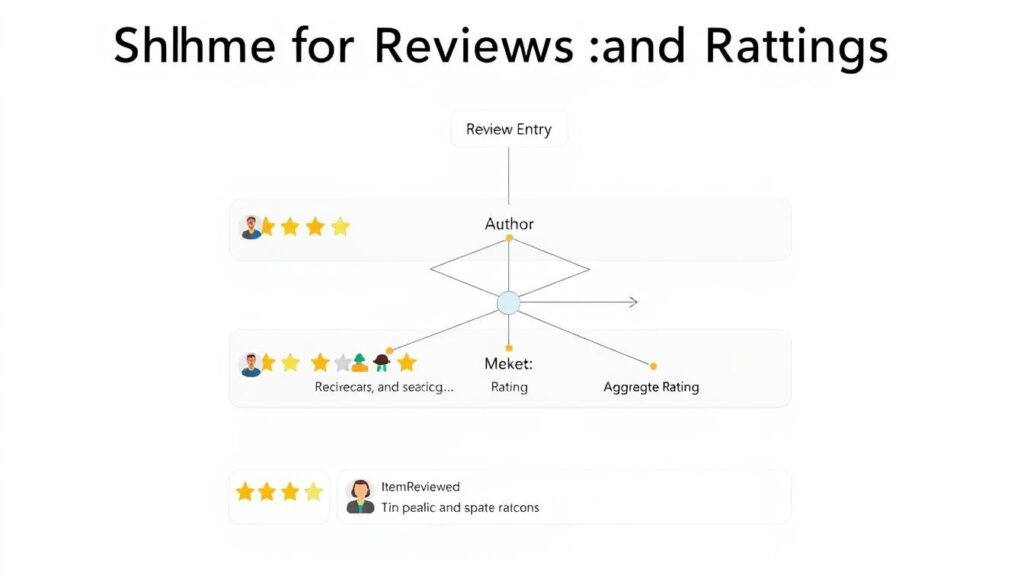
Schema for Reviews and Ratings
Seeing positive feedback from others can build trust quickly. When people search for services or products, they look for clear signs of quality. This is where star snippets in search results come in handy.
These visual elements make your listing stand out. They often lead to more clicks than listings without them.
How to Add Ratings to Your Pages
To show ratings, you need to add the AggregateRating schema to your webpage. This code shares the average score and total reviews your product or service has.
Put this JSON-LD script in the head or body of your HTML. Make sure it includes ratingValue, reviewCount, and bestRating. This gives search crawlers a full picture.
Leveraging Social Proof to Boost Credibility
Real feedback is a strong form of social proof. Seeing others have a good experience makes users more confident in choosing your brand.
This confidence boosts your conversion rates. High ratings make your business a trusted authority in your field. This builds long-term customer loyalty.
Schema for FAQs
Directly answering user questions can boost your search presence. By using specific markup, your content can show up more in search results. This gives your audience value right away, before they even visit your site.
This method helps you take up more valuable real estate on search engine results pages. It’s a great way to answer common questions and show your brand as a trusted source in your field.
Creating an FAQ Page with Markup
To do this well, organize your content into clear question and answer lists. Use JSON-LD format for your content, as it’s the best for search engines to read.
Make sure your markup content matches what’s on your page exactly. Consistency is key for following search engine rules. Update your structured data if your page changes to avoid mistakes.
Benefits of FAQ Schema in Search
The main perk of this markup is showing your questions and answers in the search interface. This often leads to a higher click-through rate because users find what they need quickly.
Even so, remember that not everyone can use this feature. In many places, it’s mainly for government, health, and education sites. Always check the latest guidelines to see if your site can use these rich results.
| Feature | Standard Display | FAQ Schema Display |
|---|---|---|
| Visibility | Limited to title and meta description | Expanded with clickable questions |
| User Engagement | Requires a click to find answers | Immediate answers provided in SERP |
| SERP Space | Single standard listing | Occupies significantly more vertical space |
| Click-Through Rate | Baseline performance | Typically higher due to relevance |
Schema for Recipes
Imagine your best recipes showing up on search results with photos and ratings. For food bloggers, this is not just nice; it’s key for SEO. By giving search engines details about your recipes, you turn text links into attractive, useful snippets.
Using Recipe Schema for Food Blogs
Structured data lets you highlight your cooking content’s best parts. It tells search engines about cooking time, ingredients, and calories. This makes your content indexed right and presented in a way users find incredibly helpful.
To make the most of your recipe pages, include these key elements in your markup:
- Cooking and preparation time to help users plan meals.
- High-quality images that show the final dish.
- User ratings and reviews to build trust.
- Detailed ingredient lists for better search relevance.
“Structured data is the bridge between your creative content and the people who are actively searching for it. When you make it easy for search engines to understand your recipes, you make it easy for your audience to find you.”
Attracting Targeted Traffic
Rich results draw in users looking for specific cooking instructions. Seeing a star rating and a clear photo before clicking makes them more likely to visit. This leads to a higher click-through rate and brings in visitors who are genuinely interested in your cooking style.
By focusing on this strategy, you stop competing for generic traffic and start attracting a loyal audience. These visitors are often looking for high-quality content that solves their immediate hunger or meal-planning needs. Providing this level of detail creates a seamless experience that keeps readers coming back for more inspiration.
Schema for Video Content
Start by making search engines understand your videos. Good production is key, but clarity is just as important. Structured data helps search engines find your content easily.
This makes your videos more likely to show up in search results. When search engines get your data right, they can highlight your content. This means more people will see and interact with your videos.
Enhancing Video Visibility with Markup
Video schema connects your content to search engines. Without it, they might not get what your video is about. Proper implementation helps your video get indexed and shown with the right details.
Using video markup on your site has many benefits:
- Increased Click-Through Rates: Rich snippets with thumbnails and duration catch the eye.
- Better Indexing: Search engines can quickly find and sort your video content.
- Enhanced User Experience: Clear information helps users decide if they want to watch before clicking.
Embedding Up-to-Date Video Information
To get the most from schema, keep your metadata accurate and current. Search engines look for specific details to match your video to user queries. Consistency is vital when updating your site to match your video file.
Here’s what data you should include in your video markup:
| Data Property | Description | Why It Matters |
|---|---|---|
| Duration | The length of the video in ISO 8601 format. | Helps users know how much time to commit. |
| Upload Date | The date the video was first published. | Signals the freshness of your content. |
| Description | A concise summary of the video content. | Improves keyword relevance for search queries. |
| Thumbnail URL | The link to your video preview image. | Increases visual appeal in search results. |
Keep your metadata current to stay ahead in search rankings. Regularly check your video pages to ensure the metadata is correct. This simple step keeps your content easy to find and relevant for your audience.
Schema for Job Postings
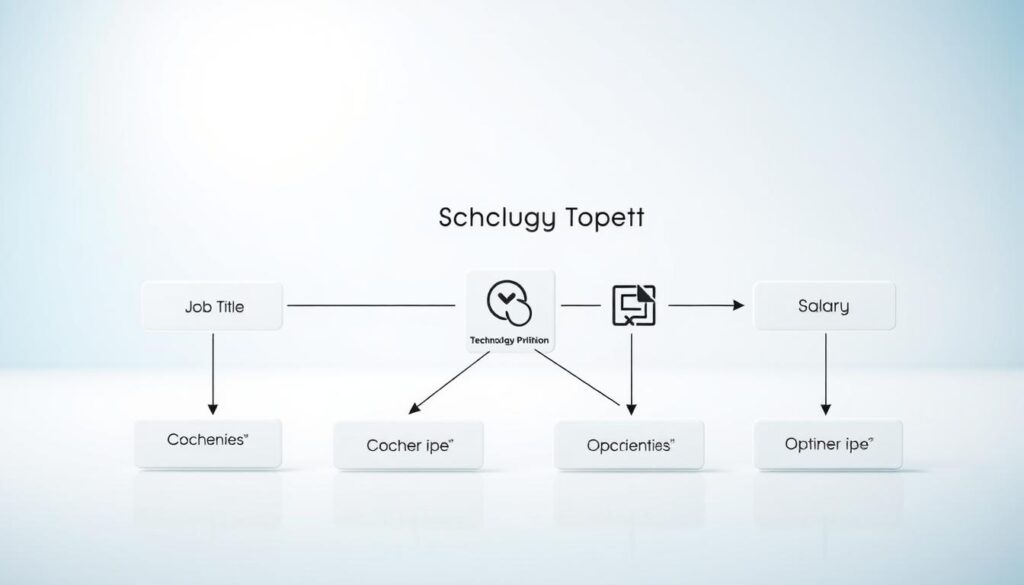
Want your job openings to shine in search results? Structured data is your secret weapon. By adding specific code to your career pages, you help search engines grasp what your job offers. This makes your openings pop up in special recruitment widgets, right in front of job seekers.
Attracting Talent with Job Markup
Job posting schema gives search engines precise details about your role. This includes the job title, who’s hiring, and where. Search engines can easily read this info, showing your listing with rich snippets that highlight salary and job type.
This clarity draws in candidates who match what you’re looking for. You avoid wasting time on unqualified applicants. Quality over quantity becomes your goal with structured data.
Best Practices for Job Listings
To maximize your markup, keep your data accurate and current. Include the full job description, a clear salary range, and the exact location or remote status. Search engines favor listings that offer a transparent and complete user experience.
Make sure your schema matches what’s on your page. Update your structured data if the salary or location changes. Consistency is key for lasting success in search rankings.
| Feature | Standard Listing | Schema-Enhanced Listing |
|---|---|---|
| Search Visibility | Basic text link | Rich snippet with logo |
| Data Display | Hidden in description | Highlighted salary & location |
| Candidate Quality | Variable | Highly targeted |
| Click-Through Rate | Average | Significantly higher |
Schema for Organizations
Organization schema is like a digital business card for your company. It helps search engines know who you are. By using advanced schema markup strategies, you control how your business is seen.
Showcasing Company Information
To create a strong profile, include key details in your code. This means your company name, logo, and verified social media links. Accuracy is key for your contact info, like address and phone number.
Search engines understand your business better with this data. It clears up any confusion and links your site to your brand. This is a key part of effective technical SEO.
Improving Brand Recognition in Search
One big plus of this markup is the chance for a knowledge panel. These panels give users a quick look at your business on search results. With advanced schema markup strategies, your brand is more likely to show up when searched.
This makes your audience trust you more. Seeing a professional summary of your company encourages them to interact with your content. This structured approach keeps your brand clear and authoritative in search results.
Measuring the Impact of Schema Markup
Getting your website to talk to search engines well means testing and watching its performance closely. After you’ve set up your schema.org implementation, check that the code is correct and ready for search engines. This step stops technical problems from blocking your site from showing up in search results.
Tools for Testing and Validation
Checking your work is key. Use top tools to make sure your structured data is right and meets search engine standards.
Here are some must-have tools for any pro:
- Google’s Rich Results Test: This tool checks your code and shows how your pages might look in search results.
- Schema Markup Validator: A detailed tool that checks your code against official standards.
- Google Search Console: Use the “Enhancements” report to spot any errors after your pages are indexed.
Analyzing Website Performance with Schemas
After checking your data, watch how it changes your traffic. Good schema markup for SEO should show in your site’s search presence. This means more clicks and better user interaction.
Look at these important metrics in your analytics dashboard:
Keep an eye on your progress to see which rich results are most valuable. Compare pages with and without structured data to spot growth. Regularly checking these insights helps you improve your strategy and stay ahead in the search world.
Best Practices for Implementing Schema
Staying away from common mistakes is key to a successful strategy. When you add structured data, focus on being accurate and clear. This keeps your site in good shape with search engines. By following schema markup best practices, you can avoid penalties and boost your search visibility.
Common Mistakes to Avoid
One big mistake is marking up content that users can’t see. Google says hidden content violates their guidelines and can harm your site. Make sure the data in your code is visible to everyone.
Another mistake is using the wrong schema types for your content. Always pick the most fitting schema type. Using the wrong tags can lessen the impact of your structured data.
Keeping Your Schema Up-to-Date
The digital world changes fast, and so should your structured data. Regular site audits are a top schema markup tip to keep your data current. Search engines often change their rules, so it’s important to stay updated.
Here’s how to keep your data fresh:
- Do quarterly checks for broken or outdated code.
- Watch Google Search Console for any issues.
- Update your markup when you change your business or products.
Being proactive helps avoid ranking drops. Regular upkeep keeps your rich results bringing in quality traffic.
Conclusion: Get Started with Schema Markup Today
Building a strong online presence takes time and effort. Using structured data optimization is a key step for your website’s future success.
You now know how to make search engines understand your content better. By following schema markup best practices, your site stays relevant in the changing search world.
Educational Resources
Google Search Central is a great resource for developers and site owners. It helps you find the right schema types for your content.
The Schema Markup Validator is a tool to check your code before you publish it. Regular checks ensure your site meets search standards.
Strategic Implementation
Begin by focusing on your site’s most visited pages. Using advanced schema markup on these pages can quickly improve your search rankings.
Use Google Search Console to see how your site is doing. Keeping your structured data up to date will help your brand stay visible and competitive.