

The landscape of search engine optimization continues to evolve at breakneck speed. What worked yesterday might not work tomorrow.
If you want to rank higher on Google in 2026, you need strategies that align with current algorithm priorities. Search results have become more competitive than ever before.
This comprehensive guide reveals ten proven SEO strategies that actually deliver results. These aren’t theoretical concepts but battle-tested techniques that help websites climb to the top of search engine rankings.
You’ll discover how to optimize your content for AI-powered search algorithms, improve your Core Web Vitals, and build genuine authority in your niche. Each strategy comes with practical implementation steps you can start using today.
The stakes are high. First-page rankings capture over ninety percent of organic traffic. If your site isn’t visible in search results, you’re missing out on massive opportunities to grow your business and reach your target audience.
Whether you’re a seasoned digital marketer or just starting your SEO journey, these strategies will help you understand exactly what Google values most. You’ll learn how to make sure your website meets the technical requirements while creating content that truly serves your users.
Table of Contents:
Get Your Free 2026 SEO Success Checklist
Want to implement these strategies faster? Download our comprehensive checklist with step-by-step implementation guides for each technique covered in this article.
Strategy #1: AI-Powered Content Optimization
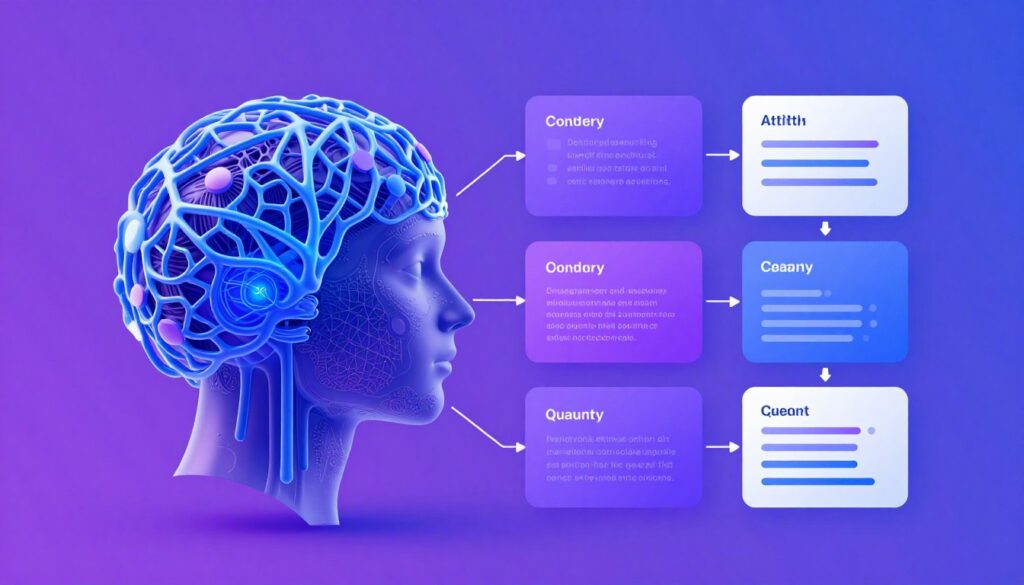
Artificial intelligence has fundamentally changed how Google evaluates and ranks content. The search engine now uses sophisticated machine learning models to understand context, intent, and content quality at unprecedented levels.
Google’s AI algorithms can detect thin content, keyword stuffing, and low-quality pages faster than ever. This means traditional SEO tactics focused solely on keyword density no longer work effectively.
Understanding Google’s AI Ranking Factors
Google’s RankBrain and BERT systems analyze how users interact with search results. These AI models evaluate whether your content actually answers the user’s question or solves their problem.
The algorithms consider semantic relationships between words and concepts. This means your content needs to cover topics comprehensively, not just include exact-match keywords repeatedly.
Natural language processing allows Google to understand synonyms, related concepts, and contextual meaning. Your content strategy must adapt to this reality by focusing on topic clusters rather than isolated keywords.
Implementing AI-Powered Content Strategies
Start by conducting thorough topic research beyond simple keyword analysis. Identify the full spectrum of questions and subtopics your audience wants to explore within your niche.
Use semantic keyword research tools to discover related terms and concepts. These tools help you understand how different topics connect and what comprehensive coverage looks like for your target keyword.
Structure your content to address user intent at multiple levels. Answer the primary question quickly, then provide depth for users who want more detailed information.
AI Optimization Checklist
- Conduct semantic keyword research for topic clusters
- Analyze top-ranking pages for content depth and structure
- Include related concepts and supporting subtopics
- Write naturally for humans, not search engines
- Use AI tools to identify content gaps
- Optimize for featured snippets with concise answers
Tools for AI Content Analysis
- Surfer SEO for semantic optimization guidance
- Clearscope for content scoring and recommendations
- MarketMuse for topic modeling and gaps
- Frase for question research and content briefs
- SEMrush Writing Assistant for real-time optimization
- Google Search Console for performance tracking
Content Quality Signals That Matter
Google’s AI prioritizes content that demonstrates genuine expertise and provides unique value. Generic, rehashed information won’t rank higher regardless of optimization tactics.
Your content should include original research, unique insights, or perspectives that readers can’t find elsewhere. This differentiation signals quality to both users and search algorithms.
Update your content regularly to maintain accuracy and relevance. Fresh content signals to Google that you’re actively maintaining your site and providing current information.
“AI has made it impossible to game the system with low-quality content. The only sustainable SEO strategy is creating genuinely helpful resources that serve your audience’s needs.”
— Industry SEO Expert
Measuring AI Content Performance
Track user engagement metrics like time on page, bounce rate, and pages per session. These behavioral signals indicate whether your content satisfies search intent.
Monitor your click-through rates from search results. Low CTRs suggest your titles and meta descriptions don’t align with what users expect from your content.
Use Google Search Console to identify queries where you rank on page two. These represent opportunities to improve content and climb higher in search results.
Strategy #2: Master Core Web Vitals and Page Experience
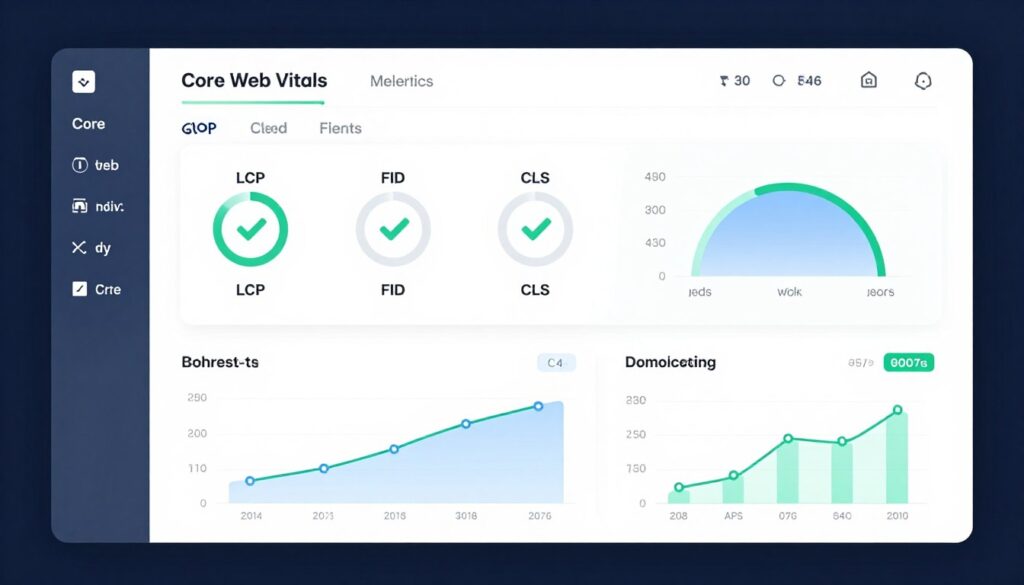
Google officially made Core Web Vitals a ranking factor, and site performance directly impacts your visibility in search results. These metrics measure real-world user experience on your website.
Slow-loading pages frustrate users and increase bounce rates. Google recognizes this connection and rewards sites that deliver fast, smooth experiences across all devices.
Understanding the Three Core Web Vitals
Largest Contentful Paint measures loading performance. Your LCP should occur within 2.5 seconds of when the page first starts loading to provide a good user experience.
First Input Delay quantifies interactivity and responsiveness. Pages should have an FID of less than 100 milliseconds to ensure users can interact with your site immediately.
Cumulative Layout Shift measures visual stability. Your page should maintain a CLS score of less than 0.1 to prevent annoying layout shifts that disrupt the user experience.
Technical Implementation Steps
Start by measuring your current Core Web Vitals using Google’s PageSpeed Insights tool. This free tool provides detailed reports on both mobile and desktop performance.
Optimize your images by compressing them and using modern formats like WebP. Large, unoptimized images are often the biggest culprit behind slow LCP scores.
Implement lazy loading for images and videos below the fold. This technique improves initial page load time by deferring non-critical resources until they’re needed.
| Core Web Vital | Good Score | Needs Improvement | Poor Score | Impact on SEO |
| Largest Contentful Paint (LCP) | ≤ 2.5 seconds | 2.5 – 4.0 seconds | > 4.0 seconds | High – Loading speed |
| First Input Delay (FID) | ≤ 100 milliseconds | 100 – 300 milliseconds | > 300 milliseconds | Medium – Interactivity |
| Cumulative Layout Shift (CLS) | ≤ 0.1 | 0.1 – 0.25 | > 0.25 | Medium – Visual stability |
| First Contentful Paint (FCP) | ≤ 1.8 seconds | 1.8 – 3.0 seconds | > 3.0 seconds | Low – Supporting metric |
| Time to Interactive (TTI) | ≤ 3.8 seconds | 3.9 – 7.3 seconds | > 7.3 seconds | Low – Supporting metric |
Server and Hosting Optimization
Choose a high-quality hosting provider with fast server response times. Cheap shared hosting often results in poor Core Web Vitals scores that drag down your rankings.
Implement a Content Delivery Network to serve static resources from servers geographically closer to your users. CDNs dramatically improve loading times for international visitors.
Enable compression for all text-based resources including HTML, CSS, and JavaScript files. GZIP or Brotli compression can reduce file sizes by seventy percent or more.
JavaScript and CSS Optimization
Minimize and combine CSS and JavaScript files to reduce the number of HTTP requests. Fewer requests mean faster page loads and better user experience.
Remove unused CSS and JavaScript code from your pages. Many themes and plugins add unnecessary code that slows down your site without providing any benefit.
Defer non-critical JavaScript to prevent it from blocking page rendering. This technical SEO improvement ensures users see content quickly while scripts load in the background.
Pro Tip: Use Google Search Console’s Core Web Vitals report to identify which pages need the most attention. Focus your optimization efforts on high-traffic pages first for maximum impact on your overall rankings.
Get Your Free Website Performance Audit
Curious about your Core Web Vitals scores? Our comprehensive audit analyzes your site’s speed, performance, and technical SEO issues with actionable recommendations.
Strategy #3: Optimize for Voice Search and Conversational Queries

Voice search has transformed how people find information online. More than half of all searches now happen through voice-activated devices and digital assistants.
People speak differently than they type. Voice queries tend to be longer, more conversational, and question-based compared to traditional keyword searches.
Understanding Voice Search Behavior
Voice searches often start with question words like who, what, where, when, why, and how. Optimizing for these natural language patterns helps your content appear in voice search results.
Users expect immediate, concise answers when using voice search. Google’s algorithms prioritize content that provides direct responses to specific questions.
Local intent drives many voice searches. People frequently use voice search to find nearby businesses, restaurants, or services while on the go.
Creating Voice Search-Friendly Content
Write in a conversational tone that mirrors how people actually speak. Avoid overly formal or technical language that sounds unnatural when read aloud.
Structure your content using a question-and-answer format. Create FAQ sections that directly address common questions in your industry or niche.
Keep your answers concise and direct. Aim for answers between forty and sixty words for the best chance of being featured in voice search results.
- Research long-tail keywords that reflect natural speech patterns
- Include question-based headings throughout your content
- Provide clear, direct answers in the first paragraph
- Optimize for local SEO with location-specific keywords
- Use schema markup to help search engines understand your content
- Focus on featured snippet optimization for position zero
Technical Voice Search Optimization
Implement structured data markup to help Google understand your content context. Schema.org markup for FAQs, How-Tos, and local businesses improves voice search visibility.
Make sure your website loads quickly on mobile devices. Voice search users expect instant results and won’t wait for slow-loading pages.
Claim and optimize your Google Business Profile for local voice searches. Complete profiles with accurate information rank higher in local search results.
Featured Snippet Optimization
Voice assistants often pull answers from featured snippets in search results. Optimizing for position zero increases your chances of being the voice search answer.
Format your content with clear, scannable sections that answer specific questions. Use bullet points, numbered lists, and tables to make information easy to extract.
Monitor which questions trigger featured snippets in your niche. Use Google Search Console to identify opportunities where your content already ranks near the top.
Strategy #4: Leverage Semantic Search and Entity-Based SEO

Google no longer just matches keywords—it understands entities, relationships, and concepts. This semantic approach to search fundamentally changes how you need to think about SEO strategy.
Entities are distinct, well-defined things like people, places, organizations, or concepts. Google builds a massive knowledge graph connecting these entities and their relationships.
Understanding Entity-Based Search
When someone searches for a brand, person, or topic, Google pulls information from its knowledge graph. Your goal is to establish your brand or content as a recognized entity within this system.
Semantic search considers context, user intent, and the meaning behind queries. Google analyzes the relationships between different concepts to deliver more relevant search results.
The search engine uses natural language processing to understand synonyms, related topics, and conceptual connections. This means comprehensive topic coverage matters more than exact keyword matching.
Building Topical Authority
Create content clusters around core topics in your niche. This strategy establishes your site as an authority on specific subjects rather than just ranking for isolated keywords.
Develop pillar content that covers broad topics comprehensively. Then create supporting content that explores subtopics in greater depth, linking back to your pillar pages.
Internal linking between related content helps Google understand your site’s topical structure. Strategic links demonstrate the relationships between different pages and concepts.
Traditional Keyword SEO
- Focus on exact-match keywords
- Keyword density optimization
- Isolated page optimization
- Limited topical depth
Entity-Based Semantic SEO
- Focus on topics and concepts
- Comprehensive topic coverage
- Content cluster strategy
- Deep, interconnected content
- Entity relationship building
- Knowledge graph integration
Implementing Schema Markup
Add structured data markup to help Google identify entities on your pages. Schema markup explicitly tells search engines what your content represents.
Use Organization schema to define your business entity. Include details like logo, social media profiles, contact information, and corporate structure.
Implement Article schema for blog posts and content pages. This markup helps Google understand the article type, author, publication date, and main entity of the page.
Entity Association Strategies
Build relationships with recognized entities in your industry. Mentions from authoritative sources help Google associate your brand with relevant topics and entities.
Contribute to knowledge bases like Wikipedia, Wikidata, and industry-specific databases. These platforms feed directly into Google’s knowledge graph.
Maintain consistent NAP information across all online platforms. Consistent Name, Address, and Phone data reinforces your entity identity in Google’s system.
Important: Semantic SEO isn’t just about technical implementation. It requires a fundamental shift in content strategy from keyword-focused writing to comprehensive topic coverage that demonstrates genuine expertise and authority.
Strategy #5: Adapt to Zero-Click Search Optimization

More than half of all Google searches now end without a click to any website. Zero-click searches provide answers directly on the search results page through featured snippets, knowledge panels, and other rich results.
While this trend might seem threatening to website traffic, smart SEO professionals adapt their strategy to leverage these features rather than fight them.
Types of Zero-Click Results
Featured snippets appear at the top of search results in a special box. These position zero results give concise answers pulled from web pages that rank on the first page.
Knowledge panels display information about entities like businesses, people, or organizations. Google sources this data from various databases and verified sources.
People Also Ask boxes show related questions with dropdown answers. Each answer comes from a different webpage, creating multiple opportunities for visibility.
Optimizing for Featured Snippets
Identify questions that trigger featured snippets in your niche. Use tools to see which queries show snippets and what type of content Google prefers for each.
Format your content to match snippet types. Paragraph snippets need concise forty to sixty-word answers, while list snippets require clear bullet points or numbered steps.
Place your answers immediately after the question in your content. Make sure the answer stands alone and makes sense without requiring additional context.
- Research your target keywords for featured snippet opportunities
- Identify the current snippet format (paragraph, list, table, video)
- Create content that matches or improves on the current snippet
- Use clear, scannable formatting with proper heading structure
- Include the target question as a heading in your content
- Monitor your results and refine your approach based on performance
Table and List Optimization
Google frequently displays tables and lists as featured snippets for comparison queries. Structure your data in clean, well-organized tables when appropriate.
Use HTML table markup rather than text-based tables. Proper semantic markup helps Google extract and display your data correctly.
Create comparison content that presents information in easy-to-scan formats. Price comparisons, feature lists, and specification tables work particularly well.
Video Snippet Opportunities
Video results appear prominently in search results and often dominate certain query types. Optimize your video content for both YouTube and Google search visibility.
Include detailed video descriptions with timestamps for different sections. These timestamps can appear as jump links in search results.
Create video content that directly answers common questions. How-to videos and tutorials frequently appear as featured video results.
Strategy Shift: Instead of viewing zero-click searches as lost traffic, see them as brand visibility opportunities. Being the featured answer builds authority and trust, driving indirect traffic and brand searches over time.
Strategy #6: Implement Advanced Video SEO Techniques

Video content dominates user preferences and search engine results. Google increasingly prioritizes video in search results, making video SEO a critical component of any comprehensive strategy.
YouTube is the second-largest search engine in the world, and Google owns it. Optimizing for both platforms simultaneously multiplies your visibility and traffic potential.
Video Content Strategy
Create videos that target specific search queries. Research the questions people ask in your niche and develop video content that provides comprehensive answers.
Keep your videos focused on single topics rather than covering multiple subjects. Specific, targeted videos rank better than lengthy, unfocused content.
Invest in quality production values. While content matters most, professional audio and video quality improve watch time and engagement metrics that influence rankings.
YouTube Optimization Fundamentals
Write keyword-rich video titles that clearly communicate what viewers will learn. Front-load important keywords while maintaining natural, compelling language.
Create detailed video descriptions that include relevant keywords and links. The first two sentences are especially important since they appear before the “show more” button.
Use relevant tags to help YouTube understand your video context. Include primary keywords, related terms, and variations that people might search for.
On-Page Video SEO Elements
- Optimized video file name before uploading
- Keyword-rich title and description
- Custom thumbnail with compelling design
- Accurate category selection
- Relevant tags and hashtags
- Playlist organization
- Cards and end screens for engagement
Off-Page Video SEO Tactics
- Embed videos on relevant web pages
- Share across social media platforms
- Build backlinks to video pages
- Encourage comments and engagement
- Create video transcripts for accessibility
- Submit video sitemap to Google
- Promote through email marketing
Video Schema Markup
Implement VideoObject schema markup on pages containing video content. This structured data helps Google understand your video’s content and display rich results.
Include key information like video title, description, thumbnail URL, upload date, and duration. Complete, accurate schema increases the likelihood of appearing in video search results.
Mark up individual video segments with timestamps. This enables Google to show specific sections of your video for relevant queries.
Engagement Optimization
Watch time is the most important ranking factor for YouTube SEO. Create content that keeps viewers watching through to the end.
Use pattern interrupts and visual variety to maintain viewer attention. Change camera angles, include graphics, and vary your pacing to prevent boredom.
Add clear calls-to-action throughout your videos. Encourage likes, comments, subscriptions, and shares to boost engagement signals.
Video Transcripts and Captions
Upload accurate transcripts to make your content accessible and searchable. Transcripts provide text for search engines to crawl and index.
Create proper closed captions rather than relying on auto-generated ones. Manual captions are more accurate and improve the viewing experience for deaf and hard-of-hearing audiences.
Translate your captions into multiple languages when appropriate. International captions expand your potential audience and increase global visibility.
Need Expert Help With Your SEO Strategy?
Book a free thirty-minute consultation with our SEO specialists. We’ll analyze your current situation and provide personalized recommendations to improve your rankings.
Strategy #7: Build E-E-A-T (Experience, Expertise, Authoritativeness, Trustworthiness)

Google’s Search Quality Rater Guidelines emphasize E-E-A-T as a critical factor in content evaluation. While not a direct ranking factor, E-E-A-T influences how Google assesses content quality.
The recent addition of “Experience” to the original E-A-T framework reflects Google’s increased focus on first-hand knowledge and real-world expertise.
Demonstrating Experience
Share first-hand experiences and real-world applications in your content. Generic advice copied from other sources doesn’t demonstrate genuine experience.
Include specific examples, case studies, and results from your actual work. Concrete data and outcomes prove you’ve done what you’re teaching others to do.
Add original images, screenshots, and documentation that show your real involvement. These elements are impossible to fake and signal authentic experience.
Establishing Expertise
Showcase relevant credentials, certifications, and qualifications prominently on your site. Professional credentials build immediate credibility with both users and search engines.
Create comprehensive, in-depth content that demonstrates deep knowledge. Surface-level content suggests a lack of true expertise in your field.
Contribute guest posts and expert commentary to authoritative publications in your industry. These external validations reinforce your expertise.
Building Authoritativeness
Earn mentions and citations from other authoritative sources in your industry. When respected sites link to you and reference your work, it signals authority to Google.
Develop a strong presence on professional social networks like LinkedIn. Active engagement with industry peers builds your reputation and authority.
Publish original research, studies, or data that others cite and reference. Becoming a primary source for information establishes unquestionable authority.
Improving Trustworthiness
Implement HTTPS security across your entire site. Secure connections are fundamental trust signals that Google expects from all websites.
Create comprehensive About, Contact, and Privacy Policy pages. Transparent information about who you are and how to reach you builds user trust.
Display clear author bios with credentials and contact information. Anonymous or unclear authorship damages trust, especially for YMYL topics.
- Add detailed author bio sections with credentials and social links
- Include contact information and business address where applicable
- Display security badges and SSL certificates prominently
- Show customer reviews and testimonials with verified sources
- Create comprehensive terms of service and privacy policies
- Maintain active social media profiles with regular engagement
- Respond to comments and user questions professionally
- Update outdated content to maintain accuracy and relevance
YMYL Content Considerations
Your Money Your Life pages require extra attention to E-E-A-T signals. Content about health, finance, safety, or legal topics faces higher scrutiny.
Cite authoritative sources and research for claims you make. Proper attribution demonstrates you’re not making unfounded statements.
Have qualified experts review or contribute to YMYL content. Medical content needs medical professionals, financial advice needs financial experts.
Strategy #8: Perfect Mobile-First Indexing Implementation

Google now uses mobile versions of websites for indexing and ranking. If your mobile site is poor, your desktop site excellence won’t save your rankings.
More than sixty percent of searches happen on mobile devices. Mobile-first indexing reflects how people actually use search engines in 2026.
Mobile User Experience Fundamentals
Ensure your site uses responsive design that adapts seamlessly to any screen size. Fixed-width layouts create terrible experiences on mobile devices.
Make buttons and links large enough for finger taps. Small click targets frustrate mobile users and increase bounce rates.
Simplify navigation for mobile screens. Hamburger menus, bottom navigation bars, and streamlined menu structures work better on small screens.
Mobile Content Optimization
Keep paragraphs short for mobile readability. Long blocks of text are difficult to read on small screens and reduce engagement.
Use larger font sizes for body text. Sixteen pixels is the minimum for comfortable reading on mobile devices without zooming.
Break content into scannable sections with clear headings. Mobile users are more likely to skim content, so make information easy to find.
Mobile-First Benefits
- Better rankings in mobile search results
- Improved user experience for majority of users
- Lower bounce rates and higher engagement
- Faster page load times with optimized code
- Future-proof design approach
Common Mobile Mistakes
- Hidden content in accordions hurting rankings
- Intrusive pop-ups blocking main content
- Slow loading times on 4G connections
- Small text requiring pinch-to-zoom
- Missing mobile-specific features
Mobile Page Speed
Optimize images specifically for mobile devices. Use different image sizes for mobile and desktop to reduce unnecessary data transfer.
Minimize JavaScript execution time on mobile. Heavy scripts drain battery life and slow down lower-powered mobile devices.
Implement Accelerated Mobile Pages for article content when appropriate. AMP pages load nearly instantly on mobile devices.
Mobile-Specific Features
Add click-to-call functionality for phone numbers. Mobile users expect to tap phone numbers to make immediate calls.
Implement location-based features using mobile GPS capabilities. Show nearby locations, store hours, and directions when relevant.
Optimize forms for mobile input. Use appropriate input types, minimize required fields, and enable auto-fill features.
Testing and Validation
Use Google’s Mobile-Friendly Test tool to verify your mobile implementation. This free tool identifies specific issues affecting mobile usability.
Test your site on actual mobile devices, not just emulators. Real-world testing reveals issues that simulators miss.
Monitor mobile metrics separately in Google Search Console. Track mobile-specific performance, errors, and opportunities for improvement.
Strategy #9: Master Link Building in the AI Era
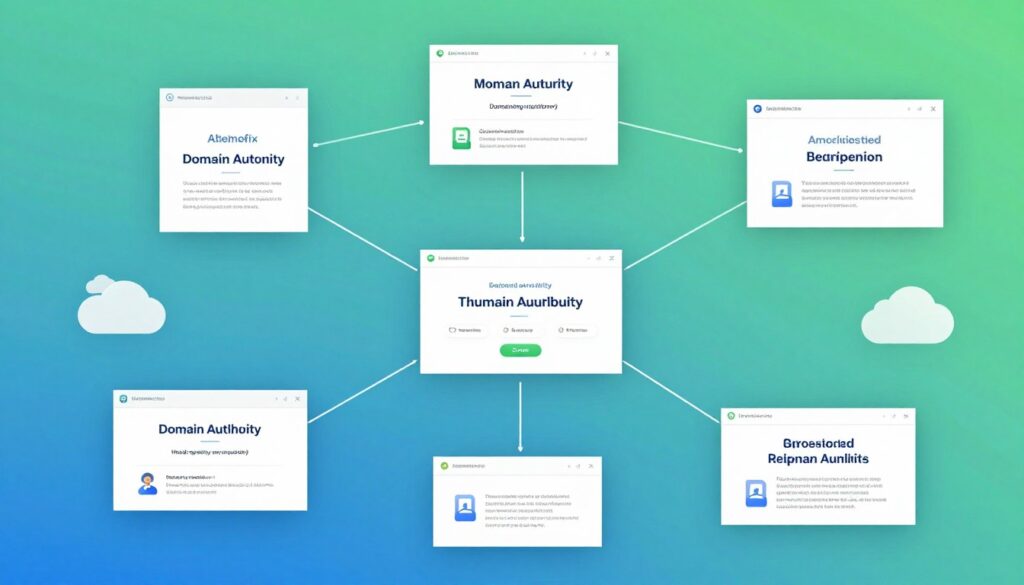
Backlinks remain one of the most powerful ranking factors in Google’s algorithm. Quality links from authoritative sites signal that your content deserves to rank higher.
However, link building strategies have evolved dramatically. Old tactics like directory submissions and link exchanges no longer work and may harm your rankings.
Understanding Link Quality
One high-authority link from a trusted source outweighs dozens of low-quality links from questionable sites. Link quality matters far more than quantity in modern SEO.
Relevance is critical for link value. Links from sites in related industries or topics carry more weight than links from completely unrelated sources.
Natural link profiles include a variety of anchor text types. Over-optimization with exact-match anchors looks manipulative to Google’s algorithms.
Digital PR and Link Earning
Create newsworthy content that naturally attracts media attention and links. Original research, industry surveys, and data-driven insights work exceptionally well.
Build relationships with journalists and bloggers in your niche. These connections lead to organic mentions and links when they need expert sources.
Monitor brand mentions across the web and request links when appropriate. Many sites mention your brand without linking, representing easy link opportunities.
- Conduct original research and publish unique data
- Create comprehensive resource guides worth linking to
- Develop interactive tools or calculators for your industry
- Guest post on high-authority relevant websites
- Participate in expert roundups and interviews
- Sponsor industry events or local organizations
- Create linkable assets like infographics and templates
- Broken link building by replacing dead resources
Content-Driven Link Attraction
Publish pillar content that becomes the definitive resource on specific topics. Comprehensive guides naturally attract links over time as people reference them.
Update your best content regularly to maintain its value. Fresh, accurate resources continue earning links while outdated content loses its appeal.
Create visual assets that others want to embed. Infographics, charts, and diagrams earn links when other sites use them with proper attribution.
Relationship-Based Link Building
Engage genuinely with your industry community on social media and forums. Real relationships lead to natural link opportunities over time.
Collaborate with complementary businesses on content projects. Joint ventures and partnerships often result in quality backlinks from partner sites.
Provide testimonials for products and services you actually use. Many companies link to customer testimonials from their websites.
| Link Building Strategy | Effort Required | Success Rate | Link Quality | Scalability |
| Original Research Publication | High | Very High | Excellent | Low |
| Guest Posting | Medium | High | Good | Medium |
| Broken Link Building | Medium | Medium | Good | High |
| Resource Page Outreach | Low | Medium | Good | High |
| Digital PR Campaigns | Very High | Medium | Excellent | Low |
| Unlinked Mention Reclamation | Low | High | Good | Medium |
Avoiding Link Building Penalties
Never buy links or participate in link schemes. Google’s algorithms are sophisticated enough to detect manipulative link patterns.
Avoid reciprocal linking arrangements where you trade links with other sites. These patterns look unnatural and provide minimal value.
Regularly audit your backlink profile and disavow toxic links. Use Google Search Console to identify and remove harmful backlinks pointing to your site.
Supercharge Your Link Building Strategy
Access our premium SEO tools for comprehensive backlink analysis, competitor research, and link opportunity discovery. Start your free fourteen-day trial today.
Strategy #10: Optimize User Engagement Signals

Google uses behavioral signals to evaluate whether users find your content valuable. Metrics like bounce rate, time on page, and click-through rate influence your rankings.
Search engines can’t directly measure content quality, but they can measure how users interact with your content. Positive engagement signals indicate high-quality, relevant content.
Understanding Behavioral Ranking Factors
Dwell time measures how long users stay on your page before returning to search results. Longer dwell times suggest your content satisfied the user’s query.
Pogo-sticking occurs when users quickly bounce back to search results and click another result. This pattern signals your content didn’t meet their needs.
Click-through rate from search results indicates how compelling your title and meta description are. Higher CTRs can positively influence rankings over time.
Improving Time on Page
Create engaging introductions that hook readers immediately. Your opening paragraph should make people want to keep reading.
Use multimedia elements like images, videos, and interactive content. Visual variety keeps users engaged longer than text-only pages.
Format content for easy scanning with clear headings, short paragraphs, and bullet points. Scannable content encourages users to stay and find what they need.
- Long average session duration
- Multiple pages viewed per visit
- Low bounce rate for informational content
- High click-through rate from SERP
- Scroll depth beyond fifty percent
- Social shares and comments
- Return visitors and direct traffic
- Interaction with page elements
Positive Engagement Signals
- Quick bounces back to search results
- Low average time on page
- High exit rates on important pages
- Minimal scroll depth
- No interaction with CTAs or elements
- Declining repeat visitor rates
- Low pages per session
- High pogo-sticking behavior
Negative Engagement Signals
Reducing Bounce Rate
Ensure your content matches search intent precisely. If users arrive expecting one thing and find something different, they’ll bounce immediately.
Improve page load speed to prevent abandonment. Slow-loading pages have significantly higher bounce rates as impatient users leave.
Remove intrusive pop-ups and interstitials that frustrate users. Aggressive monetization tactics damage engagement metrics.
Increasing Click-Through Rates
Write compelling title tags that include your target keyword and create curiosity. Titles should promise value while accurately representing page content.
Craft meta descriptions that expand on your title and include a call-to-action. Use the full character limit to provide maximum information.
Implement schema markup to enhance search result appearance with rich snippets. Star ratings, prices, and other enhanced results attract more clicks.
Internal Linking for Engagement
Add contextual internal links to related content throughout your pages. Strategic internal links encourage users to explore more of your site.
Place links within the main content rather than only in sidebars. In-content links receive more clicks and pass more value.
Use descriptive anchor text that tells users what they’ll find. Generic “click here” links provide no context and get fewer clicks.
“User experience is not just a ranking factor—it’s the ultimate ranking factor. All of Google’s algorithm updates ultimately aim to surface content that genuinely satisfies user needs.”
— Search Engine Optimization Expert
Monitoring and Improving Engagement
Use Google Analytics to track engagement metrics for all your important pages. Identify pages with poor metrics and prioritize them for improvement.
Set up event tracking to measure specific user interactions. Track video plays, button clicks, downloads, and other engagement actions.
Conduct regular user testing to identify friction points. Real user feedback reveals issues that analytics data might miss.
Creating Your SEO Implementation Roadmap

Implementing all these strategies simultaneously would overwhelm any team. Success requires a strategic, phased approach based on your current situation and resources.
Phase One: Foundation (Weeks 1-4)
Start with technical SEO fundamentals. Fix Core Web Vitals issues, implement mobile-first design, and ensure your site is properly indexed.
Conduct comprehensive keyword research and identify your target topics. Understanding search intent is crucial before creating any new content.
Audit your existing content for quality and relevance. Identify pages that need updates, consolidation, or removal.
Phase Two: Content Excellence (Weeks 5-12)
Develop your content strategy around topic clusters and semantic SEO. Create pillar pages for core topics and supporting content for subtopics.
Implement E-E-A-T improvements across your site. Add author bios, update About pages, and showcase credentials prominently.
Optimize for zero-click searches and featured snippets. Restructure content to better match search result formats.
Phase Three: Authority Building (Weeks 13-24)
Launch your link building campaign with focus on quality over quantity. Prioritize digital PR, original research, and relationship building.
Expand into video content if appropriate for your niche. Develop a YouTube strategy alongside your traditional content efforts.
Build your brand presence across relevant platforms. Active social engagement supports your overall SEO strategy.
Phase Four: Optimization and Scaling (Ongoing)
Monitor performance metrics and continuously refine your approach. Use data to identify what works and double down on successful strategies.
Stay current with algorithm updates and industry changes. SEO requires ongoing adaptation as search engines evolve.
Scale successful strategies while maintaining quality standards. Growth should never compromise the user experience that drives rankings.
How long does it take to see results from these SEO strategies?
Most sites begin seeing measurable improvements within three to six months of consistent implementation. However, competitive keywords may take longer. Technical fixes like Core Web Vitals improvements can show faster results, while authority-building efforts like link acquisition require more time. The key is maintaining consistent effort rather than expecting overnight success.
Do I need to implement all ten strategies to rank #1 on Google?
Not necessarily. The specific strategies you prioritize depend on your current situation, niche, and competition level. Start with technical foundations, then focus on the strategies most relevant to your business goals. Some industries benefit more from video content, while others succeed primarily through written content and link building. Analyze your top competitors to see which strategies they’re using successfully.
What’s the most important ranking factor in 2026?
There’s no single most important factor—Google uses hundreds of ranking signals. However, content quality that satisfies user intent consistently ranks as a top priority. Combined with strong E-E-A-T signals, quality backlinks, and excellent technical performance, you create a comprehensive foundation for rankings. Focus on genuine value creation rather than trying to game individual ranking factors.
How often should I update my content for SEO?
Update your most important pages at least quarterly, or whenever significant industry changes occur. Time-sensitive content like news or trend pieces may need monthly updates. Use Google Search Console to identify pages losing traffic, which often indicates they need refreshing. Always update with substantial improvements rather than minor changes just for the sake of showing fresh dates.
Can I rank #1 without building backlinks?
For very low-competition keywords, it’s possible to rank well without extensive link building. However, competitive keywords almost always require quality backlinks. Instead of avoiding link building, focus on creating content so valuable that links come naturally. Combine this with strategic outreach and relationship building for best results. Links remain one of Google’s strongest ranking signals.
Should I hire an SEO agency or do it myself?
The decision depends on your budget, time availability, and existing expertise. Small businesses with limited budgets can often handle basic SEO themselves using the strategies outlined here. However, competitive industries or complex technical challenges benefit from professional expertise. Consider starting with consultation services to get a strategic direction, then decide whether to implement in-house or outsource execution.
Take Action on Your SEO Strategy Today
Ranking #1 on Google in 2026 requires a comprehensive approach that balances technical excellence with genuine value creation. The strategies outlined in this guide provide a proven framework for success.
Start by auditing your current situation. Identify which of these ten strategies need the most attention on your site. Focus on building strong foundations before moving to advanced tactics.
Remember that SEO is a marathon, not a sprint. Consistency and patience are essential. The sites that maintain top rankings are those that continuously adapt and improve.
Don’t try to implement everything at once. Choose two or three strategies that will have the biggest impact for your specific situation. Master those before expanding to additional tactics.
Stay committed to creating genuine value for your audience. Google’s algorithms are constantly improving at detecting and rewarding content that truly helps people. If you focus on your users’ needs, rankings will follow.
The competitive landscape will continue evolving, but the principles remain constant. Quality content, technical excellence, and genuine authority building will always form the foundation of successful SEO.
Your next step is clear: begin implementing these strategies today. Every day you wait is another day your competitors are gaining ground in search results.
Ready to Dominate Google Rankings?
Let’s create a custom SEO strategy specifically designed for your business. Our experts will analyze your current situation and develop a comprehensive roadmap to achieve #1 rankings in your niche.
Prefer to talk now? Call us directly: