
The financial markets offer incredible opportunities for generating income. Whether you dream of trading stocks, building wealth through strategic investments, or accessing funded trading accounts through proprietary trading firms, the path to profiting from the financial niche has never been more accessible. This comprehensive guide reveals exactly how beginners can start earning money through stocks, trading, and prop firms without requiring massive capital upfront.
The financial niche represents one of the most lucrative opportunities available today. Traditional barriers like needing thousands of dollars to start trading have been demolished by innovative prop firms that provide funded accounts to skilled traders. Meanwhile, stock market investing has become democratized through zero-commission platforms and fractional share purchases.
Table of Contents:
Start Your Trading Journey Today
Download our comprehensive Beginner’s Trading Guide and learn the exact strategies successful traders use to profit consistently from stocks and prop firms.
Understanding the Financial Niche and Its Profit Potential
The financial niche encompasses various income-generating activities within capital markets. This includes stock trading, forex trading, cryptocurrency trading, and proprietary trading through funded accounts. The profit potential in this niche is virtually unlimited, with traders earning anywhere from supplemental income to six-figure annual profits.

What makes the financial niche particularly attractive is its accessibility. Unlike traditional businesses requiring substantial startup capital, location-specific operations, or inventory management, financial trading can be started with minimal investment. Prop firms have revolutionized this further by providing traders with capital ranging from ten thousand to several hundred thousand dollars.
Multiple Revenue Streams in Finance
Successful participants in the financial niche typically diversify across multiple revenue streams. Stock investors generate income through capital appreciation and dividends. Day traders profit from short-term price movements. Prop firm traders earn profit splits ranging from fifty to ninety percent while trading firm capital rather than risking their own money.
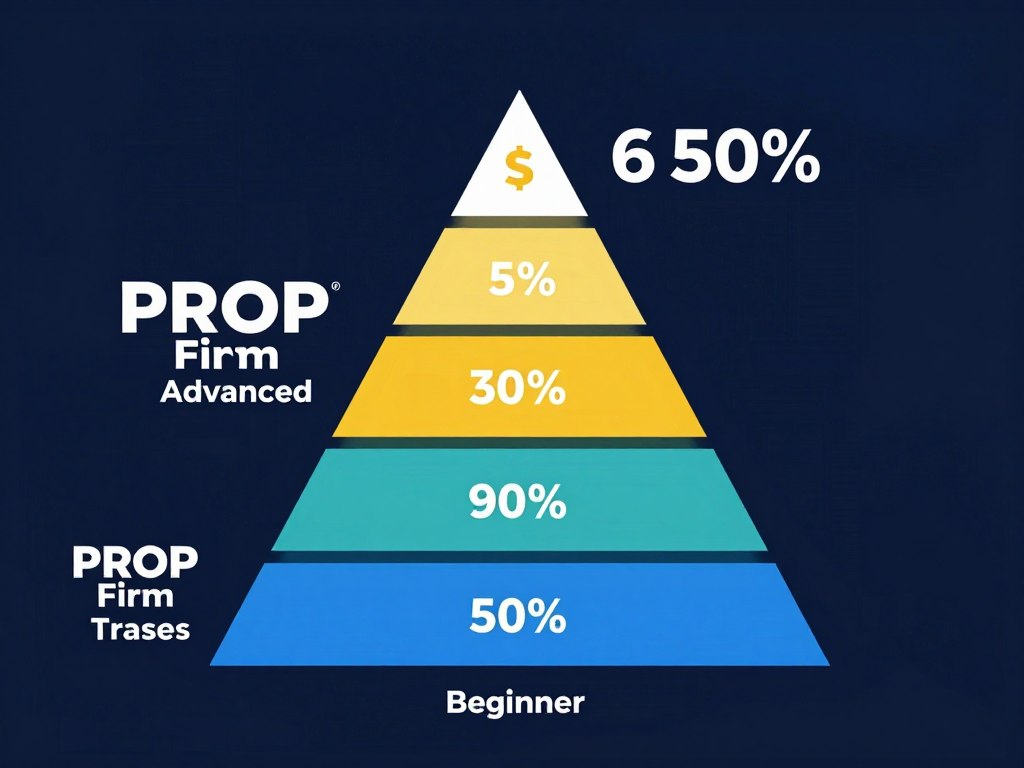
The scalability of financial market profits sets this niche apart. A trader managing a ten-thousand-dollar account might earn five hundred to one thousand dollars monthly. That same trader, after proving consistency, can access a two-hundred-thousand-dollar funded account from a prop firm and potentially earn ten to twenty thousand dollars monthly with the same skill level.
Market Accessibility and Technology
Modern technology has democratized access to financial markets. Sophisticated trading platforms that once cost thousands now offer free access. Real-time market data, advanced charting tools, and instant execution are available to anyone with an internet connection. This technological revolution has eliminated traditional barriers to entry.
Technology Advantages
Cloud-based trading platforms enable you to trade from anywhere. Mobile applications provide full trading functionality on smartphones. Automated tools assist with risk management and trade execution. Educational resources including video tutorials and trading simulators help beginners learn without risking capital.
These technological advantages mean you can start your trading journey today from your home. No office required, no commute necessary, and no geographical limitations on your earning potential.
Stock Trading as an Income Source
Stock trading represents one of the most established methods of profiting from financial markets. Stocks represent ownership shares in publicly traded companies. When you purchase stock, you own a piece of that company and can profit when its value increases. Stock trading income comes from two primary sources: capital gains from price appreciation and dividend payments from profitable companies.
Trading stocks successfully requires understanding market fundamentals, technical analysis, and risk management. Unlike gambling, profitable stock trading relies on systematic approaches, research-driven decisions, and disciplined execution. Many successful traders treat stock trading as a business rather than speculation.
Types of Stock Trading Strategies
Different trading strategies suit different personalities and time commitments. Day trading involves opening and closing positions within a single trading day to profit from intraday price movements. Swing trading holds positions for several days to weeks, capturing larger price swings. Position trading takes a longer-term approach, holding stocks for months or years based on fundamental analysis.

Day Trading
Day trading requires active monitoring throughout trading sessions. Traders execute multiple trades daily, profiting from small price movements. This approach demands significant time commitment but offers potential for consistent daily income. Successful day traders typically use technical analysis and real-time market data.

Swing Trading
Swing traders capitalize on medium-term trends lasting days to weeks. This strategy requires less screen time than day trading while offering substantial profit potential. Swing trading suits individuals with full-time jobs since positions don’t require constant monitoring. Traders typically check markets once or twice daily.

Position Trading
Position traders take a long-term investment approach based on fundamental company analysis. They hold stocks through market fluctuations, focusing on underlying business value rather than short-term price action. This strategy requires the least time commitment and works well for building wealth gradually.
Capital Requirements for Stock Trading
Traditional stock trading required substantial capital, but modern platforms have reduced barriers significantly. Many brokerages now offer fractional shares, allowing you to invest with as little as five to ten dollars. However, meaningful income generation typically requires larger account sizes.
Pattern day trading rules in the United States require a minimum account balance of twenty-five thousand dollars for traders executing four or more day trades within five business days. This regulation pushes many aspiring day traders toward prop firms, which provide funded accounts without the capital requirement.

Swing trading and position trading face no such minimum requirements. You can start with smaller amounts and gradually build your account through consistent profits. Many successful traders began with accounts between one and five thousand dollars, compounding their returns over time.
Getting Started with Stock Trading
Open an account with a reputable online brokerage offering zero-commission trading. Start with a practice account to learn platform functionality. Study basic technical analysis including support, resistance, and trend identification. Begin with small position sizes to limit risk while learning. Track all trades in a journal to identify what works and what doesn’t.
Essential Trading Strategies and Fundamentals
Successful trading requires more than market access. You need proven strategies, solid risk management, and deep understanding of market mechanics. This section covers fundamental trading concepts that form the foundation of consistent profitability whether you trade stocks, forex, or funded prop firm accounts.
Technical Analysis Foundations
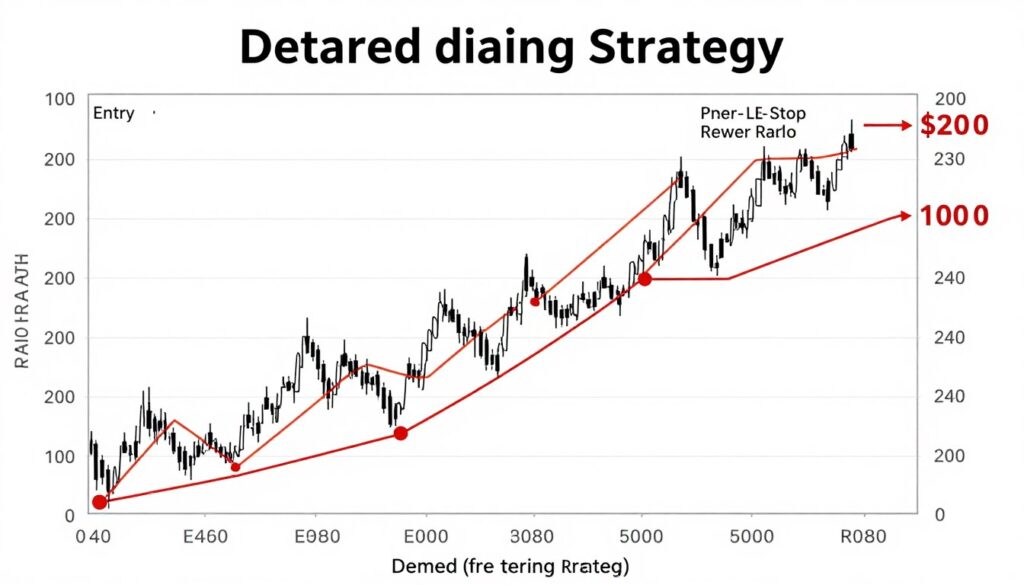
Technical analysis involves studying price charts to identify patterns and trends that signal potential trading opportunities. Unlike fundamental analysis which examines company financials, technical analysis focuses purely on price action, volume, and market psychology reflected in charts.
The core principle of technical analysis is that all known information is already reflected in the price. Price movements aren’t random but follow identifiable patterns that repeat due to consistent human psychology. Learning to recognize these patterns gives you an edge in predicting future price movements.
Support and Resistance
Support represents price levels where buying pressure prevents further decline. Resistance marks levels where selling pressure prevents further advance. These levels act as psychological barriers where traders consistently make decisions.
- Identify support by finding price levels where stocks historically bounce upward
- Recognize resistance where price repeatedly fails to break higher
- Use support for entry points and resistance for exit points
- Watch for breakouts when price decisively moves through these levels
Trend Identification
Trends represent the overall direction of price movement. The famous trading axiom states the trend is your friend because trading with the trend offers the highest probability of success.
- Uptrends consist of higher highs and higher lows
- Downtrends show lower highs and lower lows
- Sideways trends indicate consolidation without clear direction
- Enter trades in the direction of the established trend
Chart Patterns
Recurring chart patterns signal potential price movements. These patterns form due to predictable trader behavior at key market junctures.
- Head and shoulders patterns signal potential trend reversals
- Triangle patterns indicate consolidation before breakout moves
- Double tops and bottoms suggest support and resistance strength
- Flag patterns show brief consolidation within strong trends
Technical Indicators
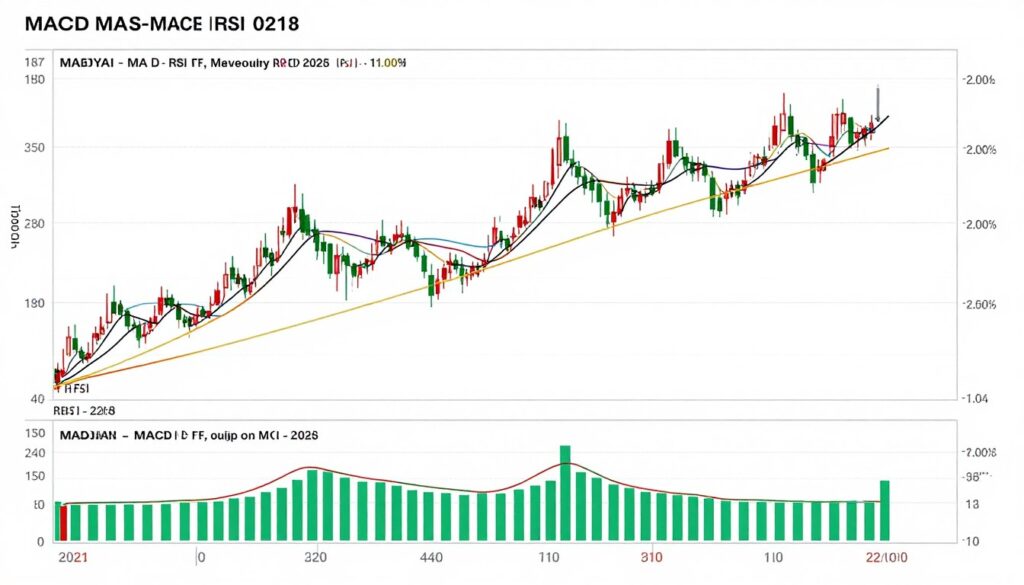
Mathematical calculations based on price and volume help confirm trends and signal potential reversals. Indicators provide objective data to support trading decisions.
- Moving averages smooth price data to reveal underlying trends
- RSI identifies overbought and oversold conditions
- MACD signals momentum shifts and trend changes
- Volume confirms the strength of price movements
Risk Management Principles
Risk management separates consistently profitable traders from those who eventually blow up their accounts. No matter how good your strategy, you’ll experience losing trades. Proper risk management ensures these losses don’t destroy your trading capital.
The most fundamental risk management rule is never risk more than one to two percent of your account on any single trade. This means if you have a ten-thousand-dollar account, your maximum loss per trade should be one hundred to two hundred dollars. This conservative approach allows you to survive losing streaks without depleting your capital.
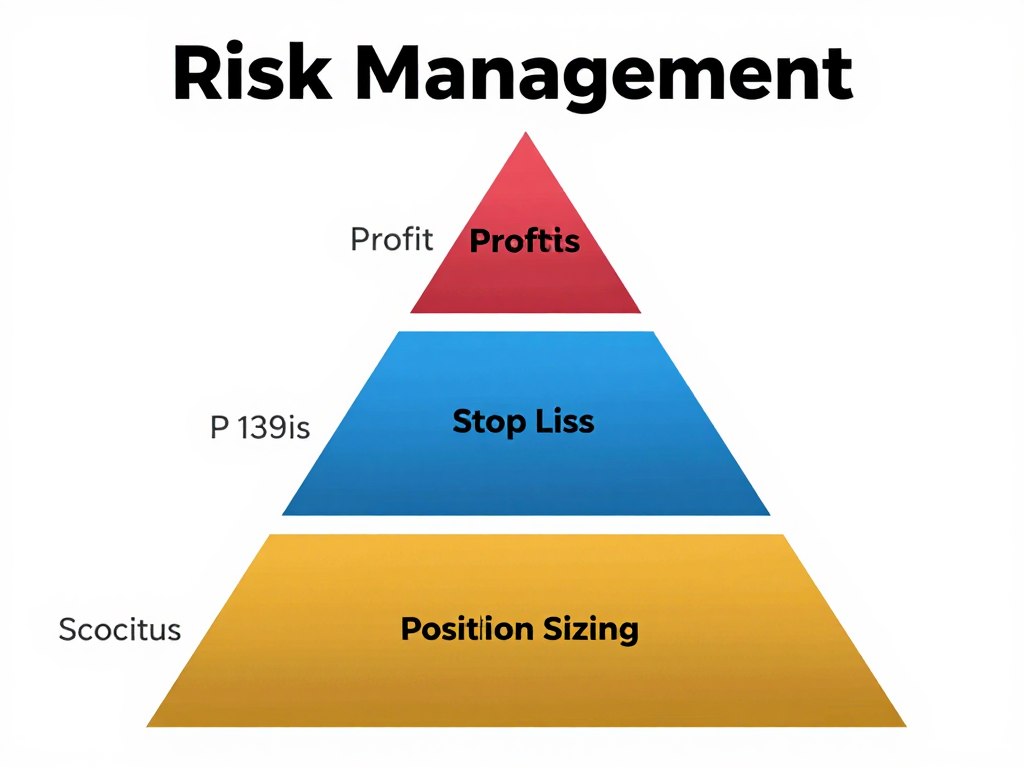
Stop losses are non-negotiable for every trade. A stop loss is a predetermined price where you exit a losing trade to prevent further losses. Set your stop loss before entering every trade and never move it further away once the trade is active. This discipline protects your capital during unexpected market movements.
Position Sizing and Leverage
Position sizing determines how many shares or contracts you trade based on your account size and risk tolerance. Proper position sizing ensures your stop loss equals your desired risk amount. If you’re willing to risk one hundred dollars and your stop loss is two dollars away from entry, you can buy fifty shares.
Position Sizing Formula
Position Size = Risk Amount ÷ (Entry Price – Stop Loss Price)
Example: Account size ten thousand dollars, risk one percent equals one hundred dollars, entry price fifty dollars, stop loss forty-eight dollars. Position size equals one hundred divided by two equals fifty shares.
Leverage allows you to control larger positions than your account balance would normally permit. While leverage can amplify profits, it equally amplifies losses. Many prop firms offer leverage up to thirty times or more. Use leverage cautiously and understand it increases both profit potential and risk substantially.
Trading Psychology
Trading psychology often determines success more than technical knowledge. Emotional decision-making leads to impulsive trades, revenge trading after losses, and failure to follow your trading plan. Developing mental discipline is crucial for long-term profitability.
Common psychological pitfalls include fear of missing out which causes chasing trades after optimal entry points pass. Greed leads to holding winning positions too long hoping for bigger profits. Fear prevents taking valid setups after experiencing losses. Overconfidence following winning streaks results in excessive risk-taking.
Building Mental Discipline
- Create a detailed trading plan specifying entry rules, exit rules, and risk parameters
- Follow your plan consistently regardless of emotions
- Accept that losses are part of trading and don’t reflect personal failure
- Take breaks after emotional trades to reset psychology
- Keep a trading journal documenting not just trades but emotional state
- Focus on process rather than individual trade outcomes
- Set realistic expectations understanding consistent profitability takes time

Access Professional Trading Strategies
Download our proven strategy templates used by professional prop firm traders. Includes technical setup guides, risk management calculators, and psychology checklists.
Understanding Proprietary Trading Firms (Prop Firms)
Proprietary trading firms, commonly called prop firms, represent a revolutionary opportunity for skilled traders. These firms provide traders with funded accounts ranging from ten thousand to several million dollars. Traders keep a substantial profit split, typically between fifty and ninety percent, while the firm absorbs losses beyond the trader’s evaluation fee.

This model solves the biggest challenge facing aspiring traders: lack of capital. Rather than risking your own money or spending years building a trading account, you can access substantial capital after passing a relatively affordable evaluation. Prop trading has democratized professional trading, making it accessible to anyone with skill regardless of personal wealth.
How Prop Firms Work
The prop firm business model is straightforward. The firm makes money through evaluation fees and a share of trader profits. Traders pay an upfront evaluation fee, typically ranging from one hundred to several thousand dollars depending on account size. This fee covers the evaluation period where traders must demonstrate consistent profitability while following specific rules.
After passing evaluation, traders receive a funded account. All profits generated belong to the trader according to the agreed profit split. The trader never risks personal capital beyond the initial evaluation fee. If the trader violates rules or loses beyond allowed drawdown limits, the account is closed but the trader owes nothing additional.
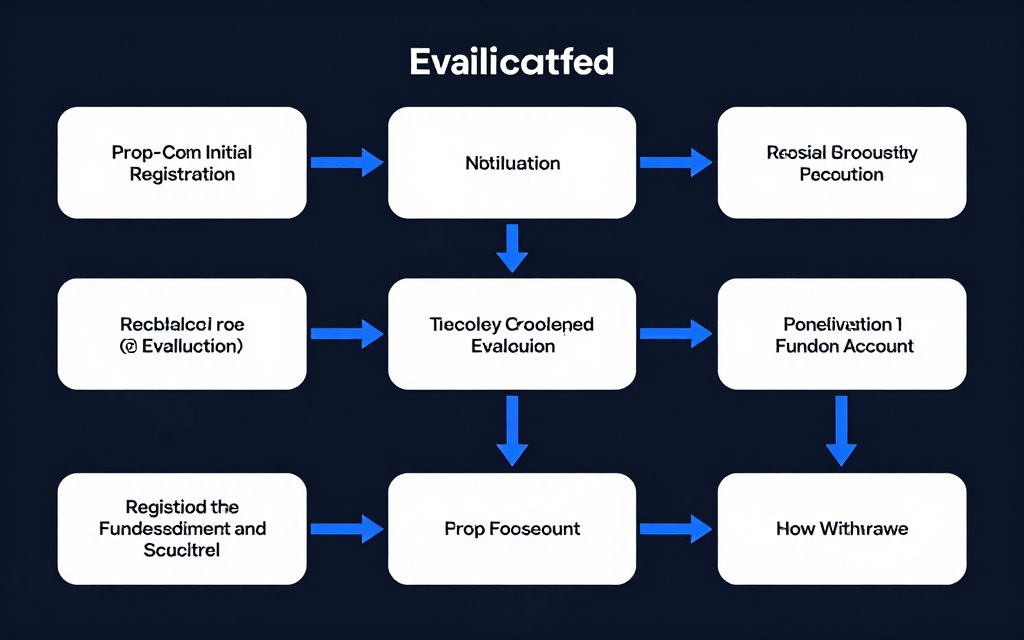
Most prop firms operate two distinct models. The evaluation model requires traders to pass one or more challenge phases demonstrating profitability before receiving funding. The instant funding model provides immediate access to a funded account, typically with stricter ongoing rules and lower initial profit splits that improve with consistency.
Prop Firm Evaluation Requirements
Evaluation requirements vary by firm but share common elements. Traders must achieve a specific profit target, typically eight to ten percent of account size, within a defined period usually thirty to sixty days. Traders must not exceed maximum daily loss limits, commonly five percent of starting balance.
Drawdown limits prevent excessive losses. Maximum drawdown measures the largest peak-to-valley decline in account equity. Most firms set maximum drawdown between eight and twelve percent. Violating daily loss or maximum drawdown rules results in evaluation failure.
| Requirement Type | Typical Range | Purpose | Failure Impact |
| Profit Target | 8-10% of account | Demonstrate profitability | Must repurchase evaluation |
| Daily Loss Limit | 3-5% of starting balance | Control risk per session | Immediate evaluation failure |
| Maximum Drawdown | 8-12% from highest point | Overall risk management | Account terminated |
| Minimum Trading Days | 3-5 days with trades | Prevent lucky single trades | Cannot request payout |
| Time Limit | 30-60 days or unlimited | Timely demonstration of skill | Varies by firm |
Some firms impose consistency rules requiring that no single trading day contributes more than a certain percentage of total profits, often thirty to fifty percent. This rule encourages steady performance rather than lucky big wins. Minimum trading days requirements ensure traders demonstrate consistency across multiple sessions.
Profit Splits and Payout Structures
Profit splits determine what percentage of trading profits you keep. Entry-level splits typically range from fifty to eighty percent. As you demonstrate consistency, many firms offer scaling plans that increase your profit split to eighty-five or ninety percent and provide larger account sizes.
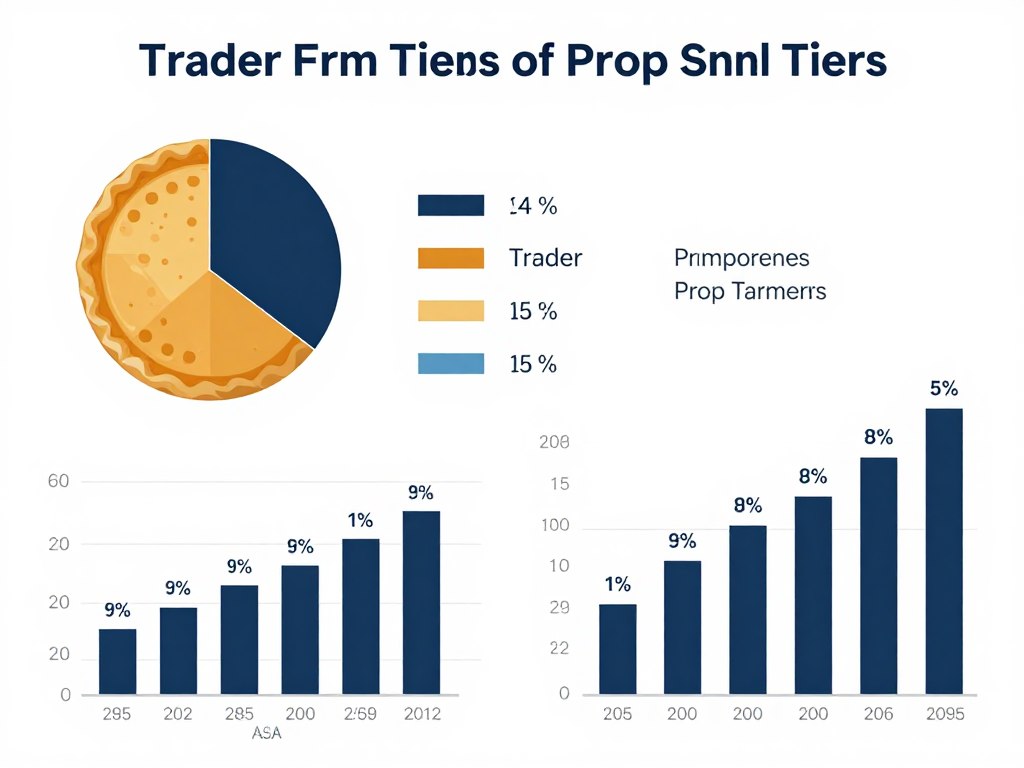
Payout frequency varies significantly. Some firms offer payouts on demand after minimum trading days requirements are met. Others process payouts bi-weekly or monthly. Faster payout schedules are generally preferable as they provide quicker access to your earned profits.
First payout often takes longer due to verification processes. Subsequent payouts typically process much faster. Understanding each firm’s payout terms prevents disappointment and ensures you select a firm matching your cash flow needs.
Trading Rules and Restrictions
Prop firms impose trading rules to protect their capital while allowing traders freedom to implement their strategies. Common restrictions include prohibitions on holding positions through high-impact news events, limitations on trading during specific hours, and requirements to close positions before weekends.
Some firms restrict certain trading strategies. Martingale strategies where position sizes double after losses are universally banned. High-frequency trading and certain arbitrage strategies may be prohibited. Copy trading or using third-party signals might violate terms. Review each firm’s rules carefully before committing.
Critical Rule Compliance
Violating prop firm rules, even unintentionally, can result in account termination and loss of profits. Read all terms and conditions thoroughly. When uncertain about whether a strategy is permitted, contact support before trading. Document all communications about rule interpretations for protection.

Types of Prop Firm Models
The prop firm industry offers several distinct models catering to different trader preferences and experience levels. Understanding these models helps you select the optimal firm for your situation.
Evaluation Model
The evaluation model remains most common. Traders purchase an evaluation challenge and must pass one or two phases demonstrating profitability within rules. After passing, traders receive a funded account with no further costs. This model suits confident traders willing to prove their skills before receiving funding.
- One-time evaluation fee
- Clear performance targets
- No ongoing costs after passing
- Higher profit splits typically offered
Instant Funding Model
Instant funding provides immediate access to funded accounts without evaluation phases. These firms typically charge monthly subscription fees and maintain stricter ongoing rules. Profit splits often start lower but increase with consistency. This model suits traders wanting immediate access to capital.
- No evaluation required
- Immediate trading access
- Monthly subscription fees
- Scaling plans reward consistency
Hybrid Model
Hybrid firms combine elements of both approaches. They might offer instant funding with basic rules while providing evaluation options for traders seeking better terms. Some firms offer instant funding to traders who previously passed evaluations elsewhere. This flexibility accommodates different trader needs.
- Multiple account options
- Flexible qualification paths
- Varied pricing structures
- Custom scaling opportunities
Top Prop Firms for Beginners in 2025
Selecting the right prop firm is crucial for your trading success. The prop firm industry has exploded with hundreds of options, but quality varies dramatically. This section features carefully researched firms with proven track records, transparent terms, and beginner-friendly structures.

We evaluated firms based on evaluation affordability, profit splits, payout reliability, rule fairness, platform quality, and customer support responsiveness. These top recommendations consistently deliver on promises and support trader success.
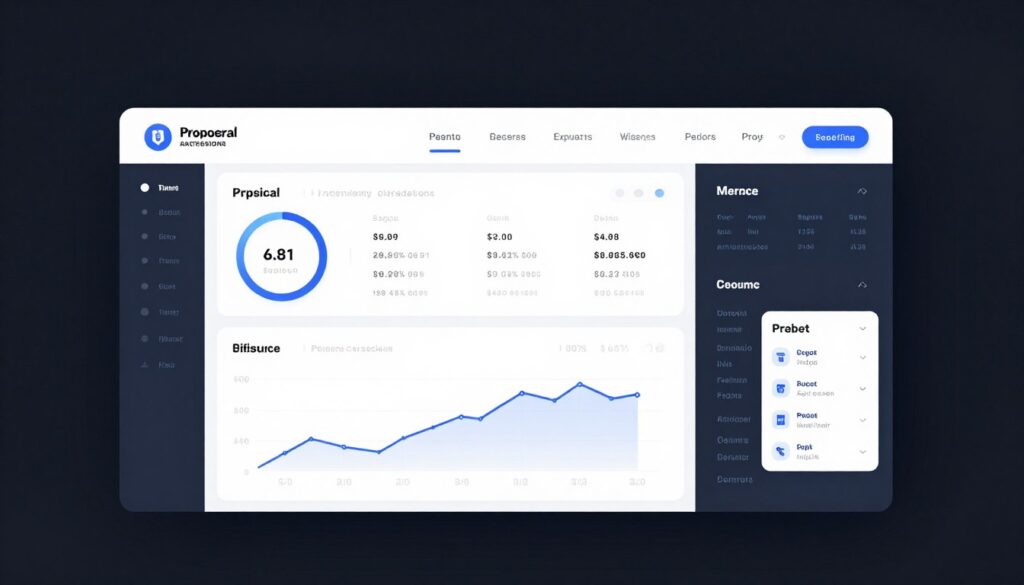
FundedNext
Best for Beginners Instant Funding Available
FundedNext offers some of the most trader-friendly terms in the industry. Their evaluation model features generous profit targets with flexible time limits. They pioneered the ninety-five percent profit split, letting traders keep nearly all their earnings.
Key Features
- Account sizes from six thousand to three hundred thousand dollars
- Up to ninety-five percent profit split
- No minimum trading days for instant funding model
- Evaluation with only eight percent profit target
- Daily loss limit five percent
- Maximum drawdown ten percent
- Bi-weekly payout schedule
- MetaTrader and cTrader platform support
Advantages
- Industry-leading ninety-five percent profit split
- Instant funding option available
- No consistency rules
- Weekend holding allowed on some accounts
- Scaling plan up to four million dollars
- Refundable evaluation fees
Considerations
- First payout requires ten trading days
- News trading restricted during high-impact events
- Instant funding has monthly fee
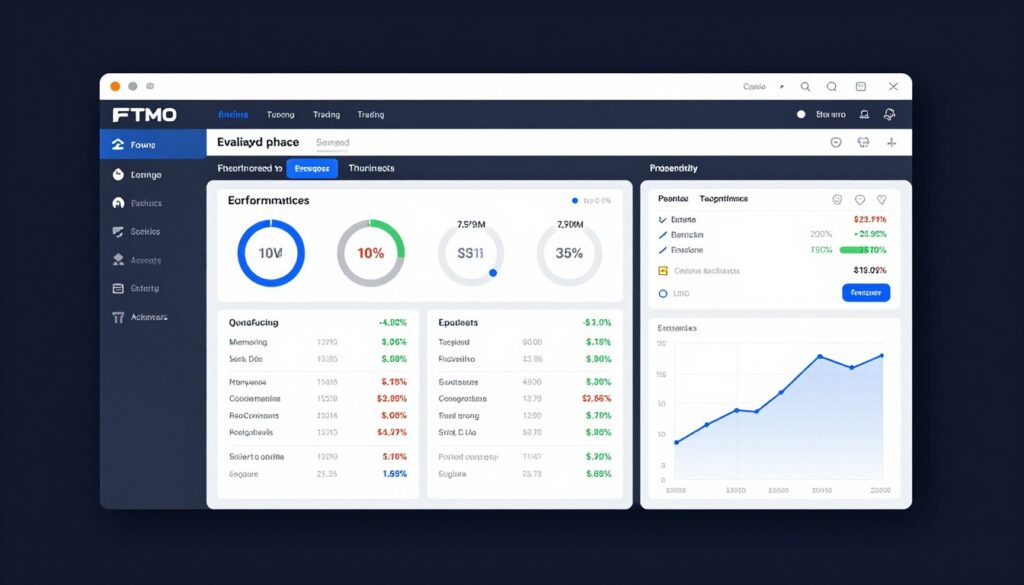
FTMO
Most Established High Trust Rating
FTMO pioneered the prop firm evaluation model and remains one of the most reputable firms globally. With over ten years in operation and thousands of funded traders, FTMO has proven reliability and consistent payouts.
Key Features
- Account sizes from ten thousand to two hundred thousand dollars
- Eighty percent profit split standard
- Two-step evaluation process
- First phase ten percent profit target in thirty days
- Second phase five percent profit target in sixty days
- Daily loss limit five percent
- Maximum drawdown ten percent on both phases
- Bi-weekly payouts on demand
Advantages
- Proven track record over ten years
- Transparent payout history
- Free trial available
- Comprehensive educational resources
- Professional trading platform
- Ninety percent profit split after consistency
Considerations
- Two evaluation phases required
- Consistency rule applies
- News trading completely prohibited
- Weekend holding not allowed
The5ers
Flexible Programs Instant Funding
The5ers offers unique instant funding programs alongside traditional evaluations. Their bootcamp program provides immediate funding with some of the industry’s most flexible rules. They allow weekend holding and have minimal restrictions on trading style.
Key Features
- Instant funding from five thousand to two hundred fifty thousand dollars
- One hundred percent profit split initially
- No evaluation required for bootcamp
- Six percent profit target for first payout
- Daily loss limit four percent
- Aggressive scaling plan up to four million dollars
- Payout every two weeks
- Multiple platform options
Advantages
- One hundred percent profit split on first withdrawal
- Weekend and news trading allowed
- No consistency rules
- Aggressive scaling rewards performance
- Instant funding available
- Very flexible trading rules
Considerations
- Profit split decreases after first payout
- Monthly fee for instant funding
- Stricter drawdown limits than competitors
How to Choose the Right Prop Firm
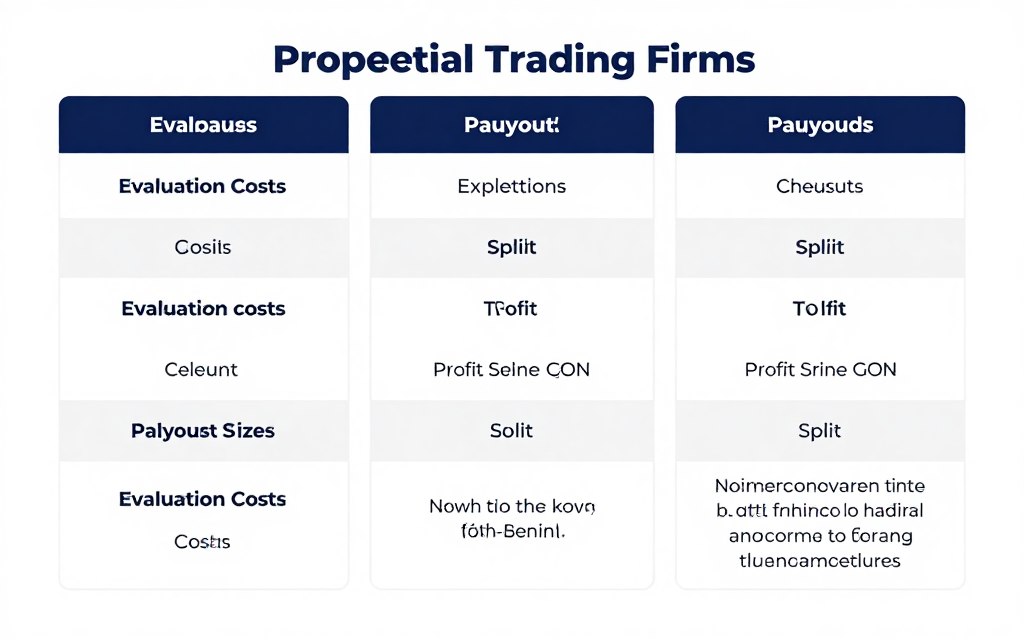
Selecting a prop firm requires evaluating multiple factors beyond profit splits. Consider evaluation difficulty, ongoing rules, payout reliability, platform quality, and customer support. The best firm for you depends on your trading style, experience level, and financial goals.
Evaluation Considerations
- Can you realistically achieve the profit target within time limits
- Are daily loss and drawdown limits appropriate for your strategy
- Does the evaluation cost fit your budget
- How many phases must you pass before funding
- Are consistency rules manageable with your trading approach
Ongoing Terms
- What is the actual profit split you’ll receive
- How quickly can you request payouts
- Are there monthly fees after passing evaluation
- What rules restrict your trading freedom
- Does the firm offer account scaling opportunities
Research each firm thoroughly before committing. Read reviews from funded traders on independent forums. Check payout proof and verify the firm has been operating for a reasonable period. Newer firms aren’t necessarily bad, but established firms provide more confidence in long-term reliability.

Find Your Perfect Prop Firm Match
Answer five quick questions about your trading experience, style, and goals. Our matching tool analyzes dozens of prop firms to recommend the three best options specifically for your situation.
Step-by-Step Guide: Starting Your Prop Trading Journey
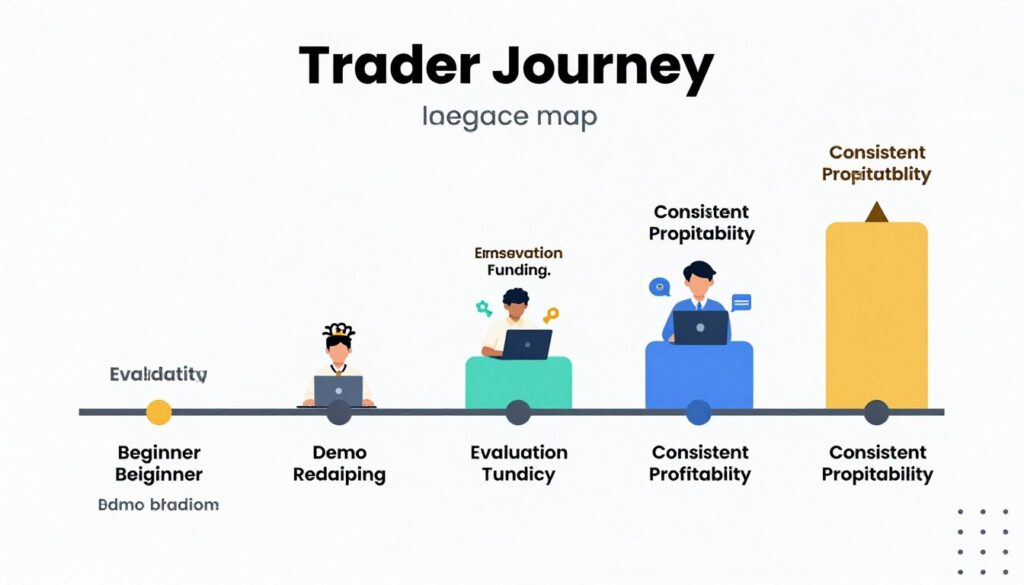
Transitioning from aspiring trader to funded professional requires following a systematic approach. This comprehensive roadmap guides you through every step from complete beginner to passing your first prop firm evaluation and earning consistent profits.
Step One: Build Trading Foundation
Before risking any money, invest time in education. Understanding market mechanics, technical analysis, and risk management prevents costly mistakes. Dedicate at least thirty days to learning fundamentals through free resources, courses, and books.
- How financial markets function and order types
- Reading price charts and identifying trends
- Support and resistance concepts
- Basic technical indicators
- Risk management and position sizing
- Trading psychology fundamentals
Essential Learning Topics
- Online trading courses on platforms like Udemy
- Trading books by Mark Douglas and Alexander Elder
- YouTube channels from established traders
- Broker educational resources and webinars
- Trading forums and communities
- Free demo accounts for practice
Recommended Resources
- Skipping education and jumping straight to trading
- Following signals without understanding why
- Watching too much content without practicing
- Focusing only on entry strategies ignoring exits
- Neglecting risk management education
- Expecting immediate profitability
Common Beginner Mistakes

Step Two: Practice on Demo Accounts
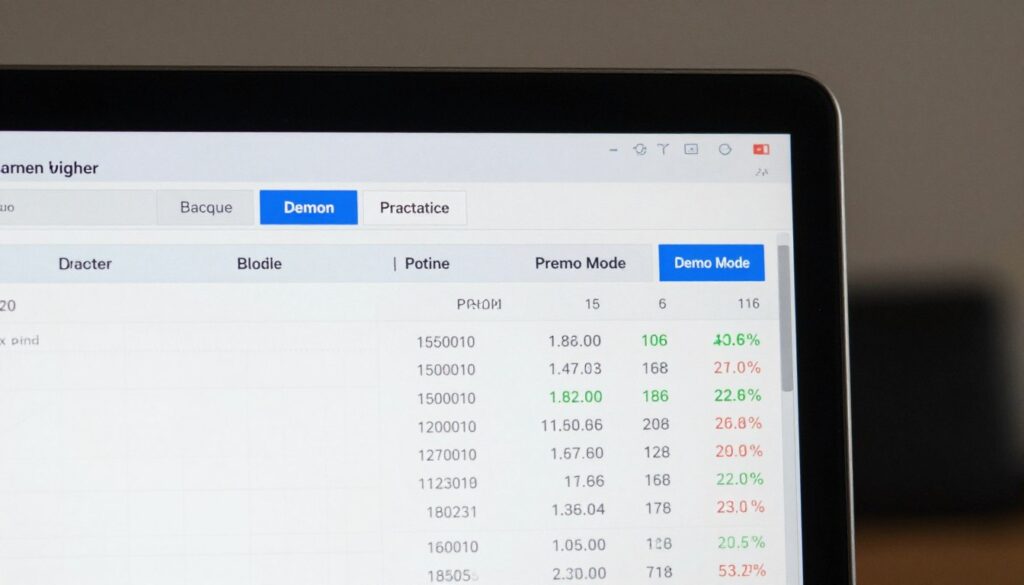
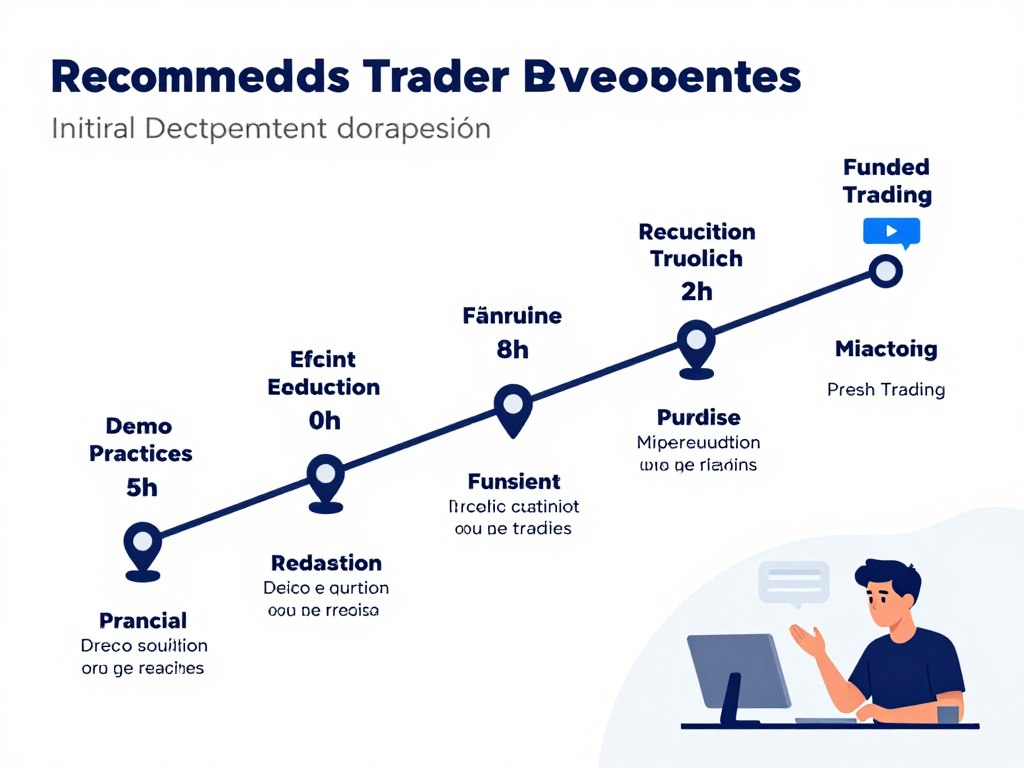
Demo accounts provide risk-free environments to practice trading with virtual money. Treat demo trading seriously, using the same position sizes and risk management you’ll use with real money. Spend at least sixty days building a track record on demo.
Most brokers and prop firms offer free demo accounts. Open accounts with the same platforms you’ll use for funded trading. Practice until you achieve consistent profitability over multiple months. Document every trade in a journal noting entry reason, exit reason, and emotional state.
- Select appropriate demo account size: Choose a demo balance matching your target funded account size. If planning to pursue a fifty-thousand-dollar funded account, practice with fifty thousand in demo. This teaches proper position sizing from the start.
- Establish trading routine: Trade at consistent times each day or week. Develop pre-market routines including chart analysis and trade planning. Post-market routines should include trade journaling and performance review.
- Test multiple strategies: Experiment with different approaches to find what matches your personality. Some traders excel at quick scalping while others prefer longer-term swing trading. Demo period is ideal for exploration.
- Track detailed statistics: Monitor win rate, average win versus average loss, maximum drawdown, and profit factor. These metrics reveal strategy effectiveness and areas needing improvement.
- Simulate real conditions: Practice following prop firm rules including daily loss limits and maximum drawdown. Train yourself to stop trading after hitting limits even in demo.
Step Three: Select Your Prop Firm
After demonstrating consistent profitability in demo for at least two months, research and select a prop firm. Consider the factors discussed earlier including evaluation difficulty, rules, costs, and payout terms. Start with smaller account sizes to minimize evaluation costs while learning.
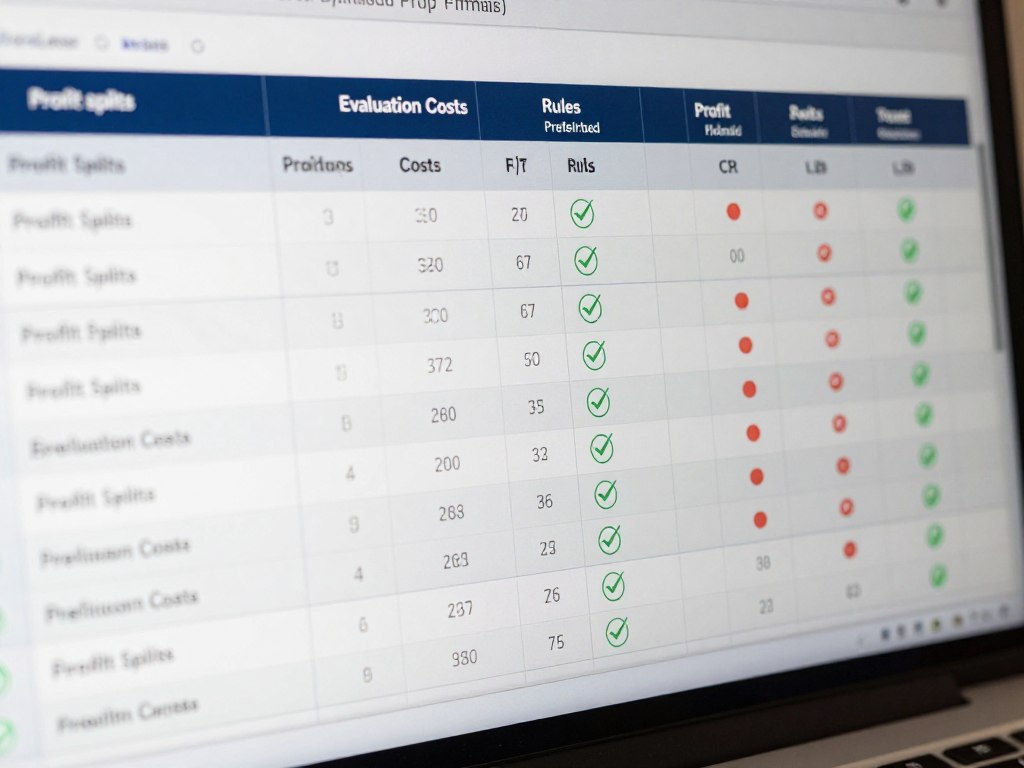
Most successful traders recommend starting with account sizes between ten and fifty thousand dollars. These provide meaningful income potential while keeping evaluation fees affordable. Resist the temptation to immediately pursue the largest available accounts.
Step Four: Pass Your Evaluation
Treat evaluation phases with the same discipline as funded trading. Your goal isn’t just passing but demonstrating the consistency required for long-term success. Trade smaller position sizes than you practiced if needed to ensure you stay well within rules.
Evaluation Success Tips
Take only your highest-probability setups during evaluation. Skip marginal trades that don’t meet all your criteria. Focus on consistency rather than reaching profit target quickly. Protect yourself from daily loss violation by stopping after moderate losses. Review rules daily to keep them fresh in your mind.

Managing Evaluation Pressure
Evaluation pressure causes many traders to deviate from their proven strategies. Combat this by remembering your demo success. You’ve already proven you can trade profitably. The evaluation is simply demonstration of existing skills.
If you fail an evaluation, review what went wrong before repurchasing. Most failures result from rule violations or emotional trading rather than strategy flaws. Learn from each attempt.
Step Five: Trade Your Funded Account
After passing evaluation and receiving your funded account, maintain the same discipline that got you there. Many traders become overconfident after passing and take excessive risks. Remember the firm’s capital isn’t truly yours until you withdraw profits.
Continue following your trading plan exactly. Journal every trade. Meet minimum trading days requirements before requesting your first payout. First payout is a significant psychological milestone that validates your trading business.

Step Six: Scale and Optimize
After achieving consistent profitability and receiving multiple payouts, consider scaling operations. Many firms offer account size increases to successful traders. You might also purchase additional evaluations with different firms to diversify income sources.
- Request account scaling through your firm’s loyalty programs
- Consider adding accounts with other firms for diversification
- Continuously refine strategies based on funded trading data
- Invest some profits in advanced education and tools
- Build emergency fund from profits before scaling aggressively
- Network with other funded traders to share insights
Ready to Start Your Evaluation?
Join thousands of successful traders who started their funded trading careers with our recommended prop firms. Choose from our top-rated firms offering beginner-friendly evaluations and industry-leading profit splits.
Managing Risk and Maximizing Returns
Long-term success in trading depends more on risk management than finding perfect entry points. Professional traders focus relentlessly on protecting capital because they understand that staying in the game is prerequisite to profiting. This section covers essential risk management principles and profit optimization strategies.
The One Percent Rule
Never risk more than one percent of your account on any single trade. This fundamental rule ensures that even a string of ten consecutive losses only depletes ten percent of your capital, leaving plenty of room for recovery. Many professional traders risk only half of one percent per trade.
Calculate your one percent risk amount before taking any trade. If trading a ten-thousand-dollar account, your maximum risk per trade is one hundred dollars. If your stop loss is two dollars away from entry, you can purchase no more than fifty shares.
| Account Size | One Percent Risk | Ten Losing Trades | Remaining Capital | Recovery Needed |
| $10,000 | $100 | $1,000 lost | $9,000 | 11% gain |
| $25,000 | $250 | $2,500 lost | $22,500 | 11% gain |
| $50,000 | $500 | $5,000 lost | $45,000 | 11% gain |
| $100,000 | $1,000 | $10,000 lost | $90,000 | 11% gain |
This table demonstrates why the one percent rule is powerful. No matter your account size, ten consecutive losses require only an eleven percent gain to recover. Compare this to risking ten percent per trade where ten losses would devastate your account.
Risk-Reward Ratios
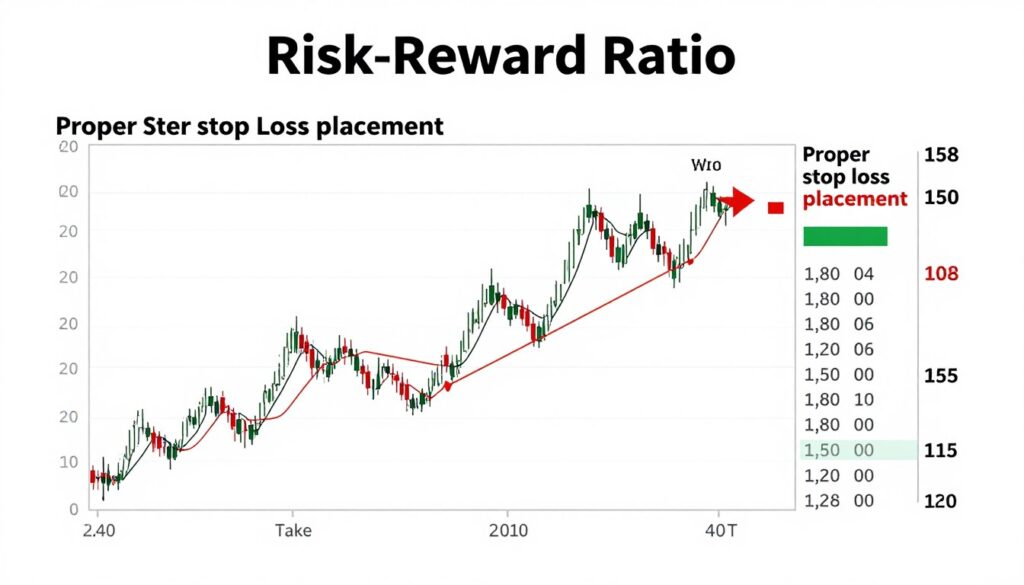
Every trade should target at least twice the amount you’re risking. If risking one hundred dollars with your stop loss, your profit target should be at least two hundred dollars. This two-to-one risk-reward ratio means you can be wrong half the time and still profit.
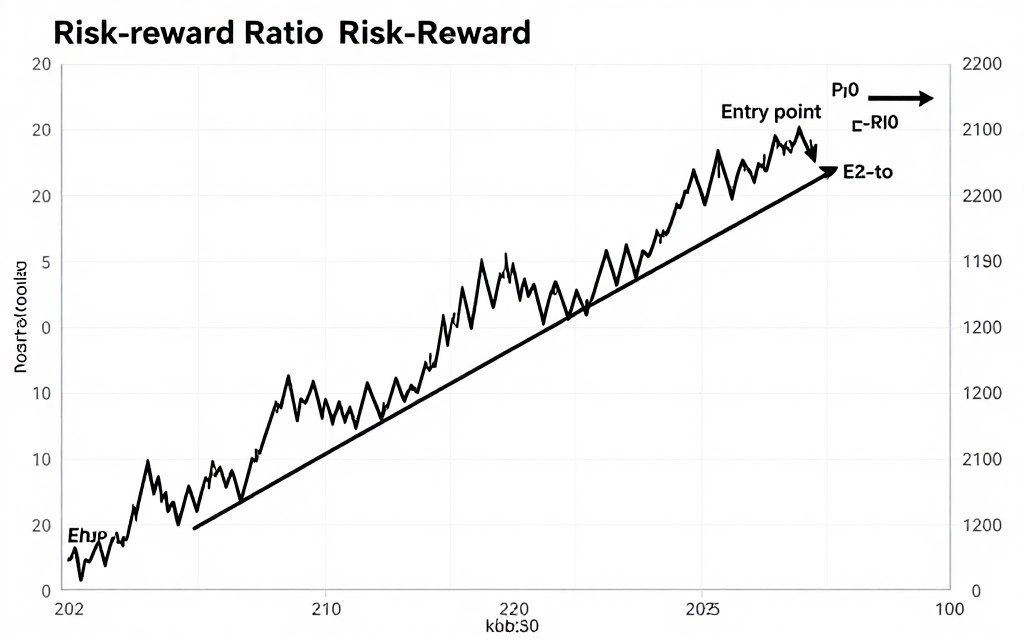
Better traders target three-to-one or higher ratios. This allows profitability even with win rates below fifty percent. A trader with forty percent win rate and three-to-one reward-risk ratio still generates substantial profits over time.
Position Sizing Strategies
Position sizing determines how many shares or contracts you trade. Proper sizing ensures your stop loss equals your desired risk amount. The formula is simple: divide risk amount by distance to stop loss.
Position Sizing Example
Account: Fifty thousand dollars
Risk Per Trade: One percent equals five hundred dollars
Entry Price: One hundred dollars
Stop Loss: Ninety-eight dollars
Risk Per Share: Two dollars
Position Size: Five hundred divided by two equals two hundred fifty shares
Total Position Value: Twenty-five thousand dollars
Verification: Two hundred fifty shares times two dollars stop equals five hundred dollars maximum risk
Daily and Weekly Loss Limits
Prop firms enforce daily loss limits for good reason. These limits prevent emotional revenge trading that destroys accounts. Adopt similar limits even when trading personal accounts. Stop trading for the day after losing a predetermined amount, typically two to three percent of account balance.

Weekly loss limits provide additional protection. If you hit five percent loss for the week, stop trading until the following week. This prevents digging deeper holes during drawdown periods. Taking breaks allows you to reset psychologically and return with fresh perspective.
Maximizing Profit Potential
While risk management protects capital, profit optimization grows your account. Focus on high-probability setups rather than trading frequently. Quality over quantity produces better results. Professional traders might take only two to five trades daily or even weekly.
Profit Optimization Techniques
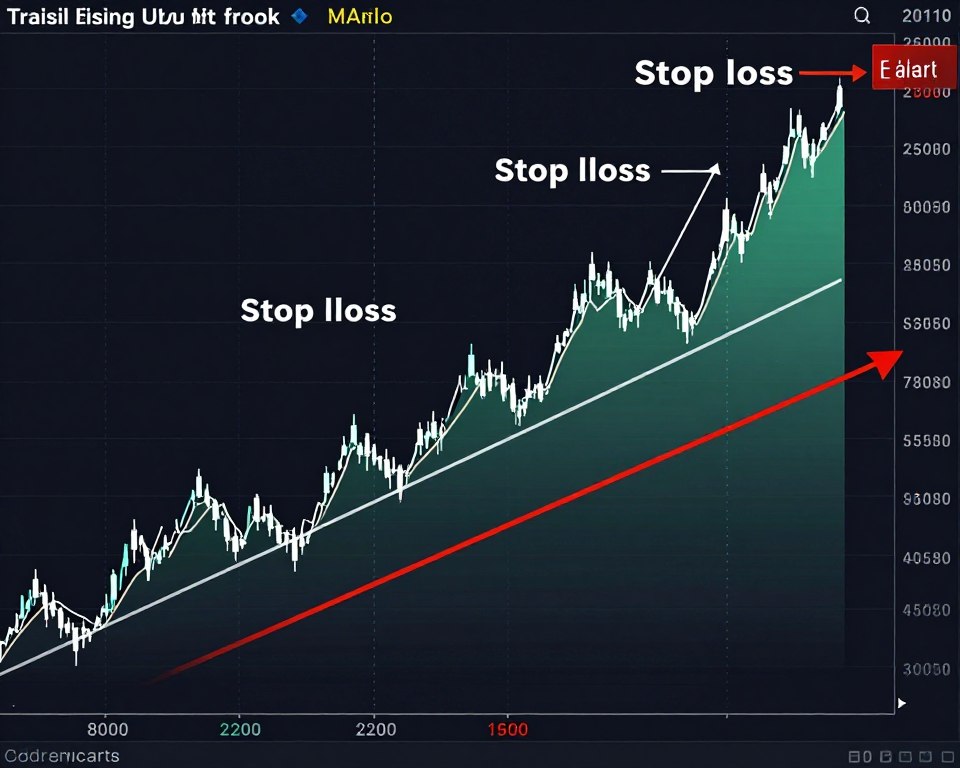
- Trail stop losses to lock in profits as trades move favorably
- Scale out of positions by taking partial profits at key levels
- Let winners run while cutting losses quickly
- Increase position size slightly during winning streaks
- Focus on best market conditions for your strategy
- Avoid trading during low-probability conditions
Compounding Returns
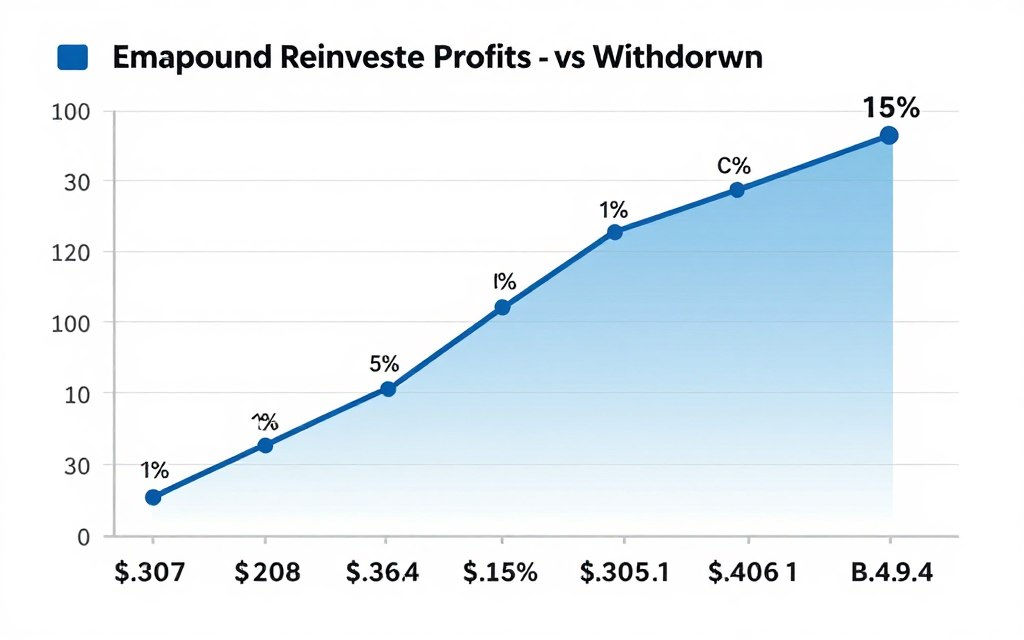
Compounding transforms modest returns into substantial wealth over time. Rather than withdrawing all profits, reinvest a portion to trade larger positions. The growth curve accelerates exponentially as your account grows.
Consider a trader starting with a ten-thousand-dollar funded account earning five percent monthly. If they withdraw all profits, they earn six thousand dollars in the first year. If they compound by reinvesting profits and requesting account scaling, that same trader could be managing a fifty-thousand-dollar account within twelve months, earning substantially more per trade.
Master Professional Risk Management
Download our comprehensive risk management toolkit including position sizing calculator, risk-reward analyzer, and daily loss tracker. These professional tools ensure you protect capital while maximizing profit potential.
Common Mistakes to Avoid When Starting Out
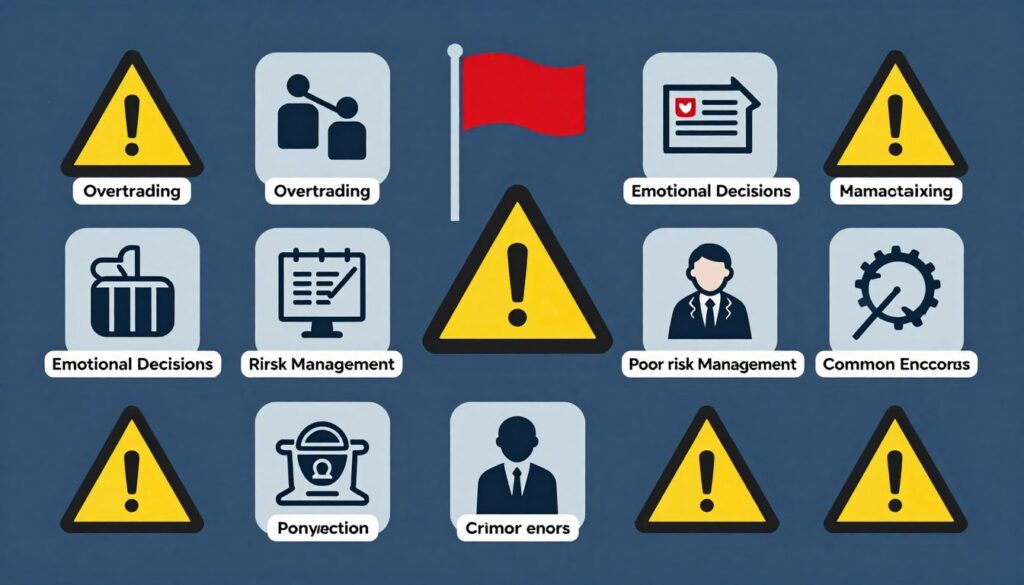
Learning from others’ mistakes saves time and money. Most beginners make predictable errors that derail their trading careers before they truly begin. This section identifies the most common pitfalls and explains how to avoid them.
Mistake One: Inadequate Preparation
The biggest mistake is starting to trade real money before developing skills. Many beginners open accounts immediately after watching a few YouTube videos, expecting quick profits. This approach guarantees losses and disappointment.
Dedicate at least three months to education and demo trading before risking any capital. Study successful traders. Practice until you achieve consistency. Treat trading like any professional skill requiring training and development.
Mistake Two: Overleveraging
Excessive leverage is the fastest way to blow up trading accounts. Beginners see leverage as opportunity to make huge profits quickly. Instead, leverage amplifies losses just as much as gains, often leading to margin calls and wiped accounts.
Prop firms offer high leverage which can be dangerous for inexperienced traders. Start with conservative leverage ratios. Master trading with low leverage before gradually increasing. Remember that professional traders focus on consistent small gains rather than home run trades.
Leverage Reality Check
A ten-thousand-dollar account with thirty-to-one leverage controls three hundred thousand dollars of positions. A one percent adverse move loses three thousand dollars, thirty percent of your account. This explains why overleveraged traders lose everything during normal market volatility.
Mistake Three: Ignoring Risk Management
Beginners often skip stop losses, hoping losing trades will reverse. They risk large percentages of their accounts on single trades. They double down on losers trying to average their entry price. These risk management failures destroy more accounts than bad strategies.
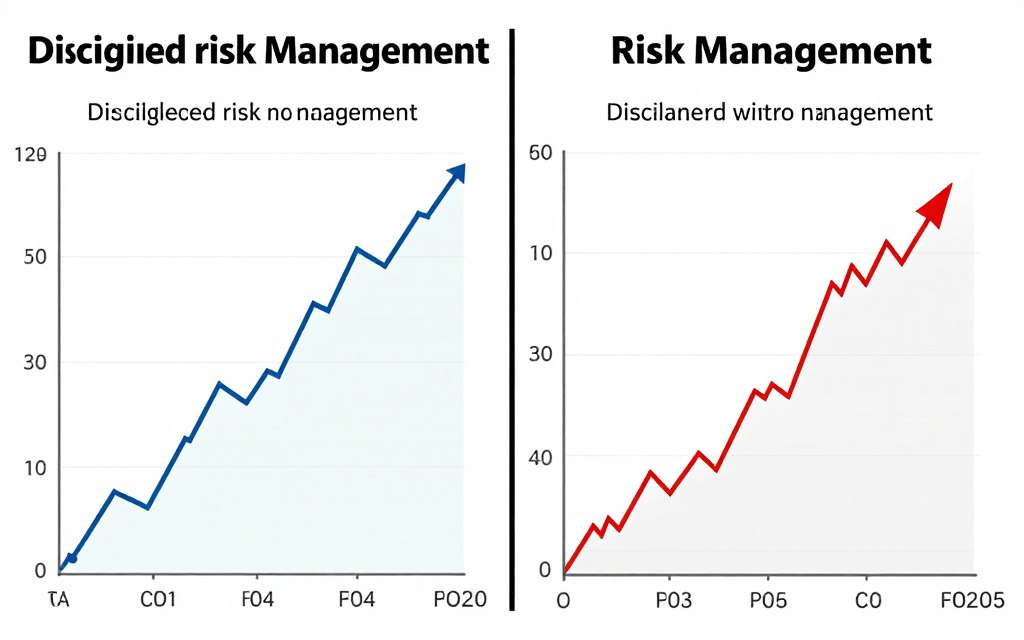
Implement strict risk management from your first trade. Set stop losses before entering positions. Never risk more than one percent per trade. Track risk metrics religiously. These habits separate long-term survivors from the majority who fail.
Mistake Four: Emotional Trading
Emotional decisions are trading poison. Fear causes traders to exit winning positions too early or avoid valid setups. Greed keeps them in losing trades hoping for reversals or pushing them to overtrade. Anger leads to revenge trading after losses.
Emotional Trading Triggers
- Taking trades to recover recent losses quickly
- Deviating from strategy after winning or losing streaks
- Increasing position sizes impulsively
- Trading without clear plan
- Refusing to accept small losses
- Moving stop losses to avoid being stopped out
- Taking trades out of boredom
Emotional Control Strategies
- Follow written trading plan always
- Take mandatory breaks after losing trades
- Journal emotional state with every trade
- Set maximum trades per day limit
- Use automated orders to remove discretion
- Practice mindfulness and meditation
- Review past emotional mistakes regularly
Mistake Five: Strategy Hopping
Beginners frequently switch strategies after short periods, never giving any approach adequate testing. They chase the latest trading system promoted on social media. This constant switching prevents mastery of any single approach.
Choose one strategy that fits your personality and schedule. Trade it consistently for at least one hundred trades before evaluating effectiveness. Track detailed metrics to identify whether poor results stem from the strategy or execution issues. Most strategies work when applied consistently with proper risk management.

Mistake Six: Unrealistic Expectations
Social media creates unrealistic expectations showing only winning trades and luxury lifestyles. Beginners expect to double accounts monthly or quit day jobs after a few weeks. These expectations lead to disappointment and excessive risk-taking.
Professional traders typically target one to five percent monthly returns. This might sound modest, but compounded annually produces fifty to eighty percent returns, far exceeding traditional investments. Set realistic goals focusing on consistency rather than home runs.
Mistake Seven: Neglecting Prop Firm Rules
Traders pass evaluations then violate funded account rules, forfeiting their accounts and profits. Common violations include exceeding daily loss limits, trading during restricted hours, or holding positions through prohibited news events.
Read and understand all prop firm rules thoroughly. Create checklists to verify compliance before each trading session. Set alerts to warn when approaching loss limits. Rules exist to protect both the firm and traders from catastrophic losses.
Rule Compliance Checklist
- Review daily loss limit before starting each session
- Check economic calendar for high-impact news during trading hours
- Verify maximum position size doesn’t exceed firm limits
- Confirm current drawdown level before taking new trades
- Set platform alerts at seventy-five percent of daily loss limit
- Close positions before weekends if required by firm
- Track minimum trading days requirement for payouts
Mistake Eight: Overtrading
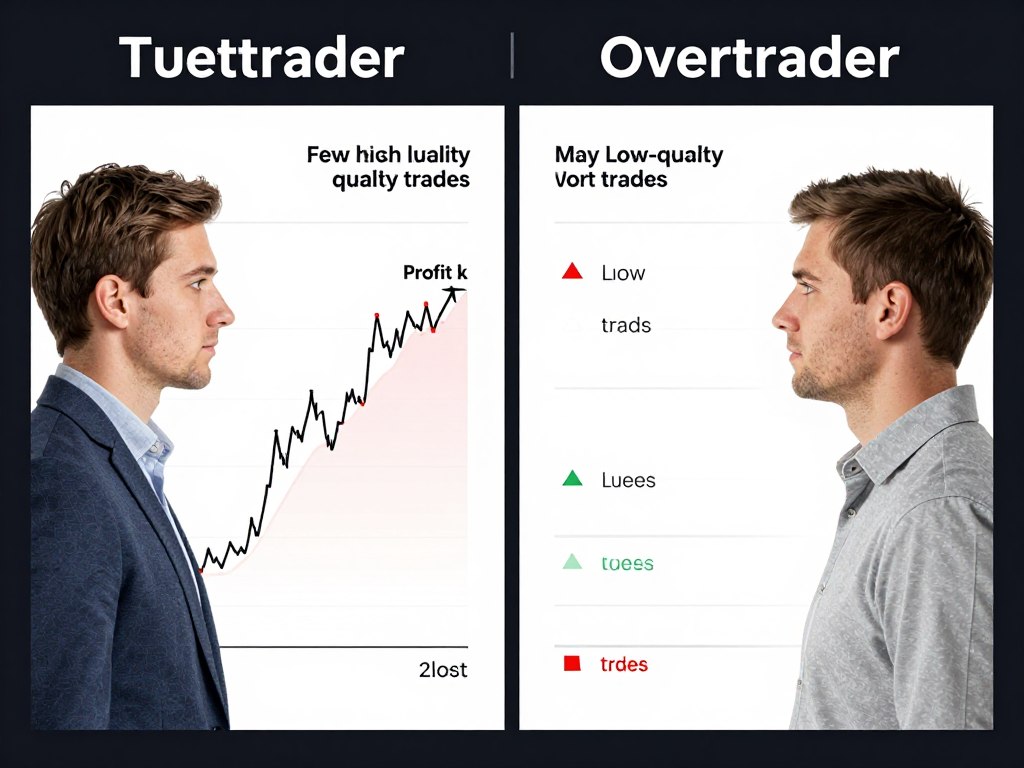
Taking excessive trades reduces profitability even when individual trades are profitable. Overtrading increases commissions, spreads, and slippage while forcing you into marginal setups that don’t meet your criteria. Quality always beats quantity in trading.
Set maximum daily trade limits. Wait patiently for high-probability setups. Remember that not trading is a position. Professional traders spend more time waiting for optimal conditions than actively trading.
Your Path to Financial Freedom Through Trading
Profiting from the financial niche through stocks, trading, and prop firms represents a realistic path to financial independence. The opportunities have never been more accessible, with technology and innovative prop firm models removing traditional barriers to entry.

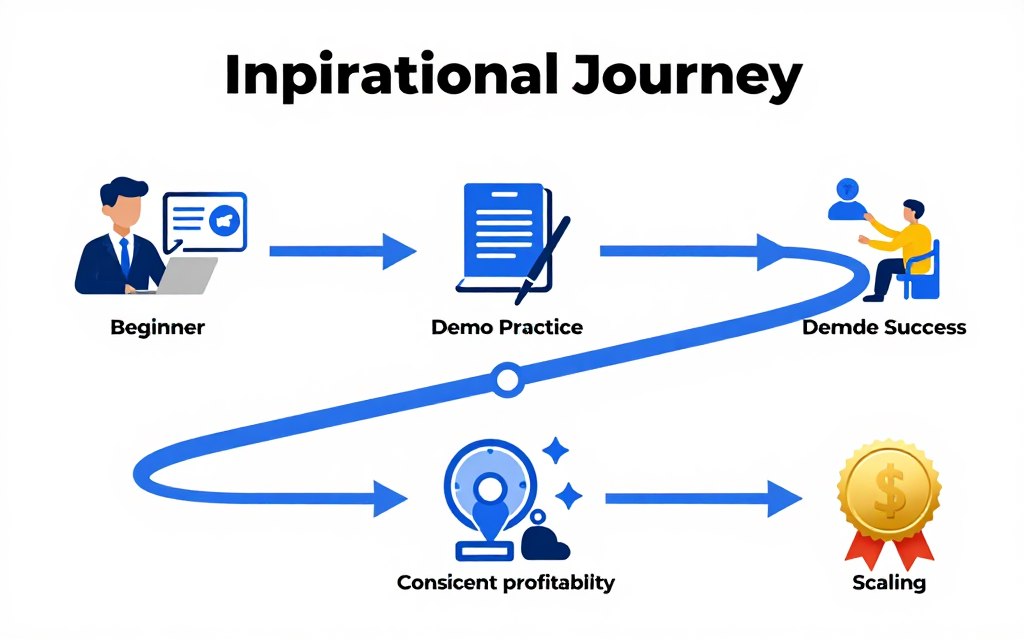
Success requires dedication to learning, disciplined practice, strict risk management, and emotional control. Follow the step-by-step roadmap outlined in this guide. Start with thorough education, practice extensively on demo accounts, select an appropriate prop firm, pass your evaluation, and trade funded accounts with consistency.
The journey from beginner to funded trader typically takes three to six months of focused effort. Some achieve it faster while others need more time. Progress at your own pace without comparing yourself to others. The trading business rewards consistency and discipline more than speed.
Key Takeaways
- Financial markets offer unlimited profit potential with proper skills
- Prop firms provide funded accounts eliminating capital barriers
- Education and demo practice are essential foundations
- Risk management determines long-term survival and success
- Emotional discipline separates winners from losers
- Consistency beats brilliance in trading
- Realistic expectations prevent disappointment and recklessness
- Continuous improvement and adaptation are required

Remember that trading is a business requiring professional approach. Treat it seriously, invest in your education, manage risks carefully, and maintain discipline. The rewards of building a successful trading career extend beyond financial gains, providing freedom, flexibility, and the satisfaction of mastering a challenging skill.
Start your journey today. Download educational resources, open demo accounts, and begin learning. The path is clear and accessible. Your success depends only on your commitment to following proven principles and persisting through inevitable challenges. Thousands of traders have achieved funded accounts and consistent profitability. You can too.
Begin Your Funded Trading Journey Now
Take the first step toward financial freedom. Join our community of successful funded traders. Access exclusive resources, strategy guides, and prop firm recommendations to accelerate your path to consistent profitability.