
The landscape of web development has transformed dramatically. What once took months of coding and testing now happens in days or even hours. This revolution stems from artificial intelligence platforms that democratize app creation.
Traditional development methods demand extensive technical knowledge. Teams spend weeks building basic features. Costs spiral upward as project timelines extend beyond initial estimates.
AI-powered platforms like Lovable change this equation entirely. Developers and entrepreneurs now build production-ready applications at unprecedented speed. The barrier between idea and implementation has collapsed.
Table of Contents:
The AI Web Development Revolution Transforming the Market
Artificial intelligence has entered the development workflow in ways that seemed impossible just years ago. Modern AI platforms understand natural language instructions and translate them into functional code. This capability opens doors for both experienced developers and business-minded founders.

Market Demand for Rapid Application Development
Businesses need digital solutions faster than ever before. Market windows close quickly. Competitors move at lightning speed. First-mover advantages determine success or failure in many industries.
The demand for custom web apps has skyrocketed. Every business requires unique tools to manage operations. Internal tools drive efficiency. Customer-facing apps create revenue streams. Mobile apps extend reach to smartphone users everywhere.
Traditional development timelines cannot meet this demand. Six-month project cycles feel like geological epochs in modern business. Companies that ship faster win market share. Speed has become the ultimate competitive advantage.
How AI Platforms Are Disrupting Traditional Development
AI app builders process natural language prompts and generate working code. Developers describe what they want in plain English. The platform interprets intent and constructs the necessary backend infrastructure, database schemas, and frontend interfaces.
Traditional Development Process
- Write detailed technical specifications
- Set up development environment manually
- Code features line by line
- Debug syntax and logic errors
- Configure servers and databases
- Deploy through complex pipelines
- Timeline: Weeks to months
AI-Powered Development Process
- Describe app in natural language
- AI generates initial codebase
- Refine through conversational prompts
- AI handles database setup automatically
- Built-in deployment to production
- Iterate in real-time with instant previews
- Timeline: Hours to days
The productivity gains are measurable. Small teams accomplish what previously required large departments. Solo founders build app that would have needed entire development teams. The economics of software creation have fundamentally shifted.
Key Players in the AI Web App Builder Space
Several platforms compete in this emerging market. Each offers distinct approaches to AI-assisted development. Understanding the landscape helps founders and developers choose the right tools for their projects.
Lovable stands out as one of the best app builder options for profit-focused founders. The platform emphasizes speed without sacrificing quality. Users describe their vision through prompts. The AI generates full-stack applications complete with backend logic, database structures, and polished user interfaces.
Other notable players include platforms focused on specific niches. Some excel at internal tools for business operations. Others target mobile apps exclusively. The best app builders in 2026 share common traits: intuitive interfaces, powerful AI models, and production-ready output.
The market continues evolving rapidly. New features emerge monthly. Integration capabilities expand. The tools become more sophisticated while remaining accessible to non-technical users.
How Lovable Enables Lightning-Fast Web Application Development
Lovable represents a new generation of development platforms. The tool combines artificial intelligence with modern web technologies. This combination produces professional applications in record time.
Core Features That Accelerate Development
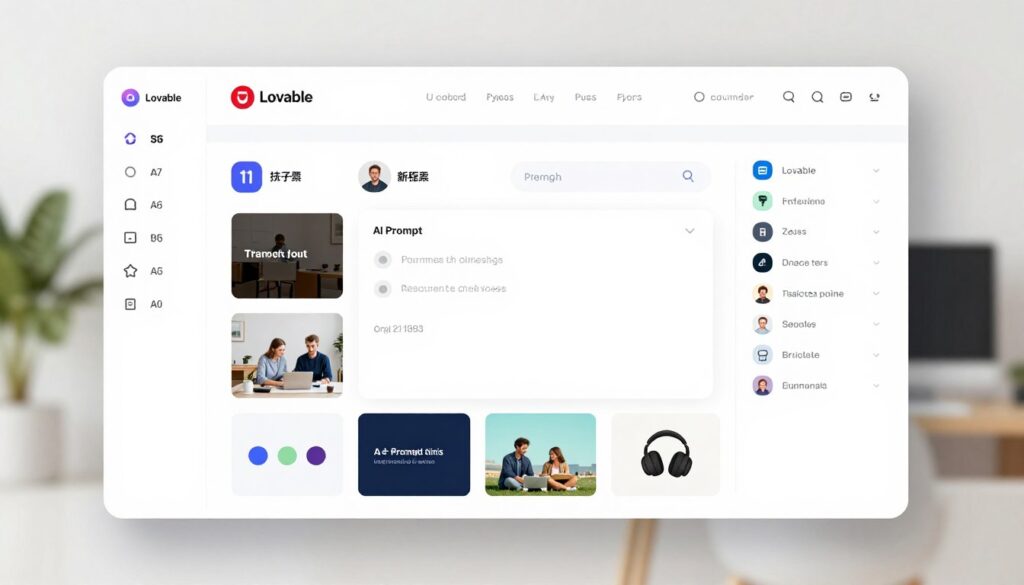
The platform offers comprehensive tools that cover the entire development lifecycle. From initial idea to deployed production app, Lovable provides everything needed. No separate services or complex configurations required.
Natural language prompts serve as the primary interface. Developers and founders describe features in plain English. The AI interprets these instructions and generates appropriate code. This feels like conversing with a skilled development team.
Instant Code Generation
The AI produces clean, functional code from text descriptions. React components, API endpoints, and database queries materialize in seconds. The code follows best practices and modern patterns.
- React and TypeScript frontend
- Node.js backend infrastructure
- Automated database schemas
- Responsive design by default
Built-In Backend Services
Backend infrastructure comes pre-configured and ready to use. Authentication, database connections, and API flow work immediately. No server management or DevOps expertise required.
- PostgreSQL database included
- Authentication system ready
- API endpoints generated automatically
- Secure by default configuration
Real-Time Preview
Changes appear instantly in live preview environments. Test features immediately without build processes or deployment delays. Iteration happens at the speed of thought.
- Hot reload for instant updates
- Mobile responsive testing
- Share preview links with team
- Debug tools integrated
The Prompt-Driven Development Workflow
Building with Lovable feels different from traditional coding. The workflow centers on describing desired outcomes rather than implementing technical details. This shift in approach accelerates development dramatically.
A typical project starts with a high-level prompt describing the app concept. The AI generates an initial structure including database models, user interface layouts, and basic functionality. Developers then refine through additional prompts, requesting specific features or modifications.

Each prompt builds on previous work. The AI maintains context throughout the entire project. Request a user dashboard, then add charts, then implement filtering. The platform understands relationships between features and maintains consistency across the codebase.
Complex features that normally require hours of coding emerge from well-crafted prompts. Authentication systems, payment integration through Stripe, and data visualization appear with minimal effort. The best results come from clear, specific descriptions of desired functionality.
From Idea to Production in Record Time
The journey from concept to live app compresses dramatically. What traditionally spans months now completes in days or even hours. This speed transforms how entrepreneurs approach app development.
This accelerated timeline applies to real production apps, not just prototypes. The code quality supports scaling and iteration. Teams add features post-launch without rebuilding from scratch.
Multiple projects can run simultaneously. A small team manages several apps in the time traditionally required for one. This multiplication effect creates opportunities for portfolio approaches to product development.
Integration Capabilities and Extensibility
Modern web apps require connections to external services. Payment processors, email systems, analytics tools, and APIs form the ecosystem of successful applications. Lovable provides straightforward integration paths for these essential services.
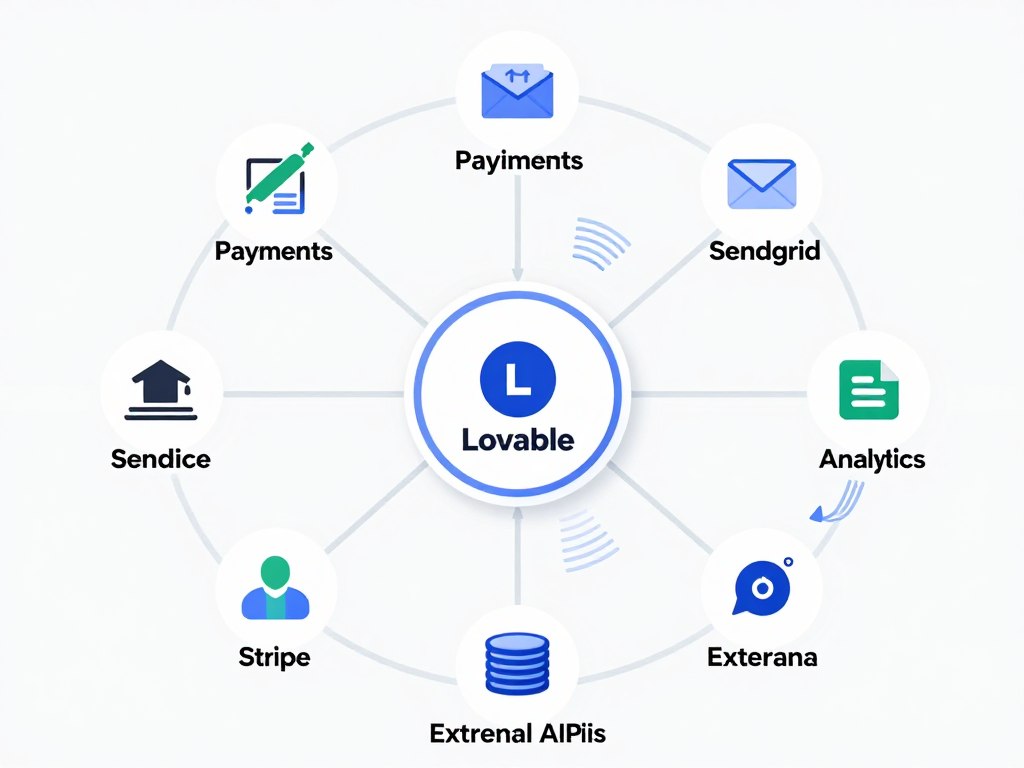
Stripe integration enables immediate payment collection. Add a prompt requesting subscription billing or one-time payments. The AI generates necessary code including checkout flows, webhook handlers, and customer management. Apps monetize from day one.
Database access goes beyond simple CRUD operations. Complex queries, data relationships, and performance optimizations work out of the box. The platform handles scaling considerations automatically as user bases grow.
Custom APIs integrate through straightforward prompts. Describe the external service and desired interaction. The platform generates appropriate API calls, error handling, and data transformation logic. Third-party tools enhance app capabilities without development friction.
Ready to Build Your First Profitable App?
Join thousands of developers and founders shipping production apps in days instead of months. Lovable’s AI handles the complex code while you focus on building a profitable business.
Strategies for Building Fast, Profitable Web Applications
Speed alone does not guarantee profit. Successful founders combine rapid development with strategic thinking. The goal extends beyond building fast to building apps that generate revenue quickly and sustainably.
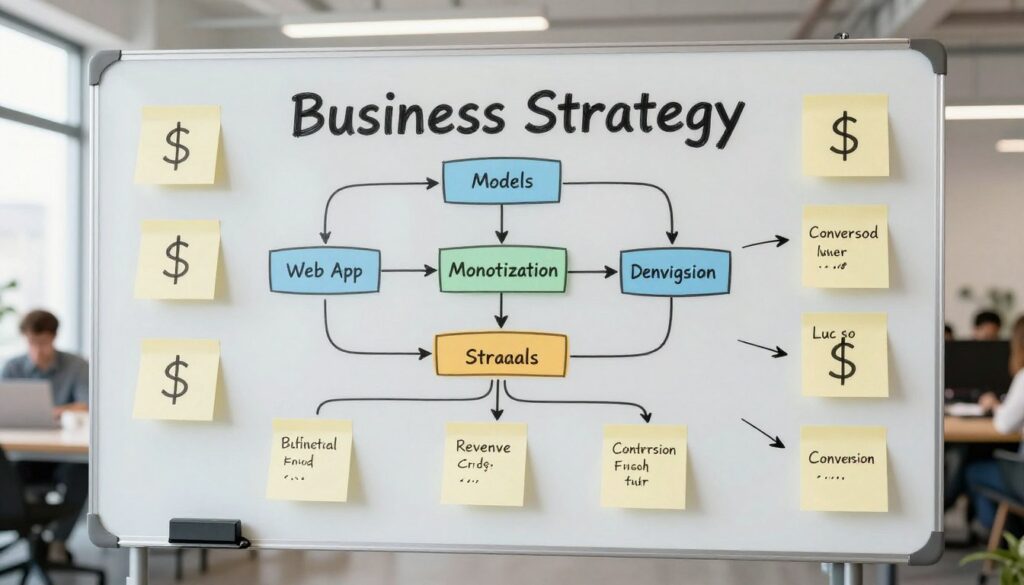
Identifying Profitable Niche Markets
The first strategic decision determines market focus. Broad markets seem attractive but competition drowns new entrants. Niche markets offer faster paths to profitability with less competition and clearer value propositions.
Look for underserved segments within larger industries. Small business owners need specialized tools that enterprise software does not address. Hobbyist communities require targeted features that general platforms overlook. Professional services seek automation that nobody has built yet.
Evaluate niches based on several factors. Market size must support sustainable revenue but remain small enough to dominate. Pain points should be clear and urgent. Willingness to pay should be established through existing spending patterns.
Characteristics of Profitable Niches
- Specific pain point clearly identified
- Existing budget for solutions
- Limited quality competition
- Accessible through targeted marketing
- Recurring revenue potential
- Scalable without proportional cost increases
Example Profitable Niches
Local Service Businesses: Booking systems for salons, repair shops, consultants who need simple scheduling without enterprise complexity.
Content Creator Tools: Specialized apps for podcasters, YouTubers, or writers that solve workflow problems major platforms ignore.
Industry-Specific Solutions: Tools for real estate agents, fitness trainers, or accountants with features tailored to their exact workflows.
MVP Development and Rapid Iteration
The minimum viable product philosophy aligns perfectly with AI-powered development. Build core features quickly, launch to real users, and iterate based on feedback. This approach minimizes wasted effort on unwanted features.
Define the absolute minimum feature set that delivers value. Resist the temptation to add “nice to have” functionality before launch. The goal is validation, not perfection. Real user feedback outweighs internal assumptions every time.
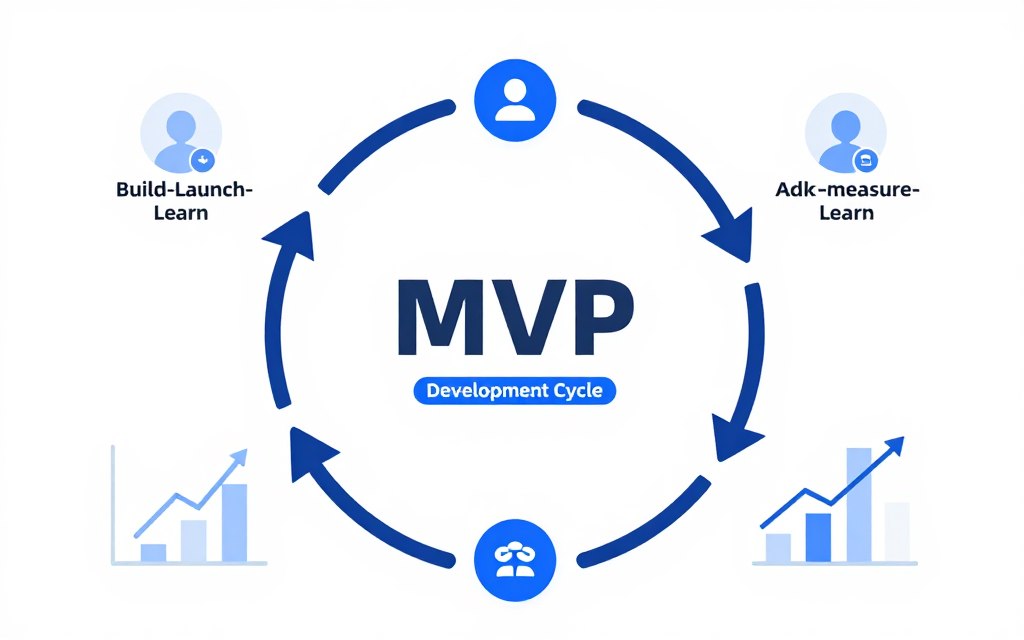
Lovable excels at MVP creation. The platform generates functional apps in hours or days. Launch immediately to collect real-world usage data. Paid plans start attracting customers who validate the concept with actual money.
Iteration speed determines long-term success. User requests flow in after launch. Some ideas prove valuable. Others miss the mark. AI-powered platforms allow rapid feature additions without derailing the entire project. Ship updates daily if needed.
Track metrics from day one. User engagement, conversion rates, and feature usage guide development priorities. Build what people actually want instead of guessing. The data reveals opportunities for improvement and expansion.
Monetization Models That Work
Revenue generation requires intentional design. Multiple monetization approaches exist. The best choice depends on target audience, value delivered, and market dynamics.
Subscription Model
Recurring revenue from monthly or annual subscriptions. Predictable income stream. Works best for ongoing value delivery.
Usage-Based Pricing
Charge based on consumption metrics like API calls, storage, or transactions processed. Scales with customer success.
Freemium Approach
Free basic tier attracts users. Premium features drive upgrades. Requires careful feature segmentation.
One-Time Licensing
Single payment for lifetime access. Higher upfront revenue but no recurring income. Good for specialized tools.
Subscription models generate the most predictable revenue. Monthly recurring income compounds as the user base grows. Churn management becomes the primary focus. Keep customers longer and revenue multiplies.
Implementing payments takes minutes with modern platforms. Stripe integration through Lovable requires simple prompts. Request a subscription checkout flow and webhook handling. The AI generates complete payment infrastructure including customer portals and receipt management.
Building for Multiple Revenue Streams
Sophisticated app businesses create multiple income sources from single products. Primary subscriptions form the foundation. Additional revenue comes from complementary services and offerings.
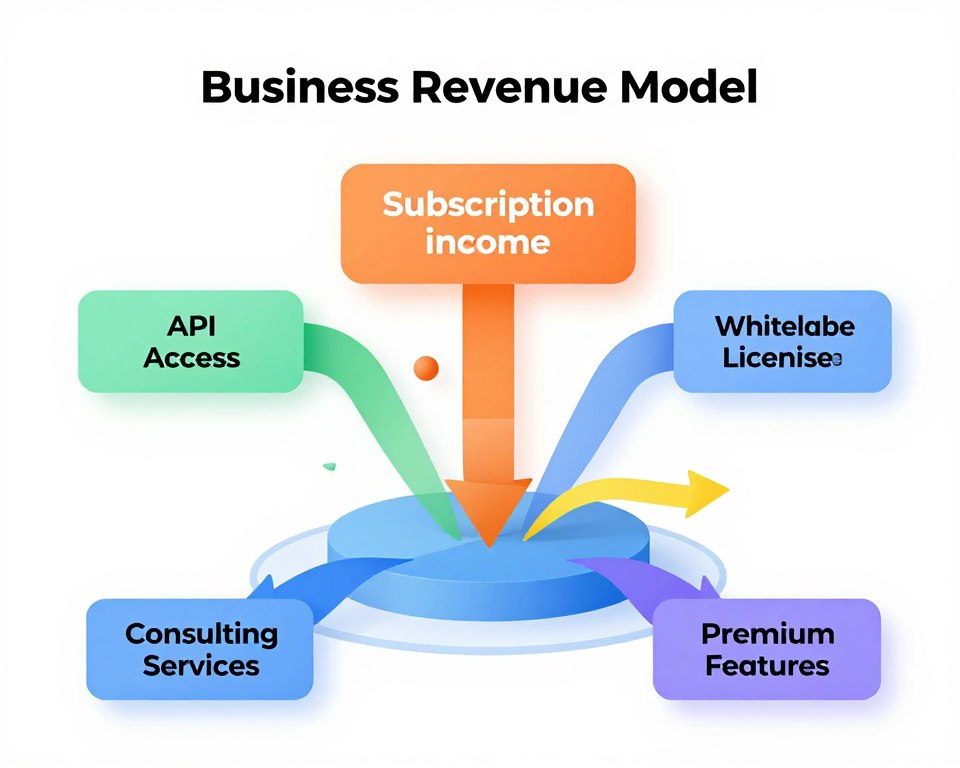
API access represents one expansion path. Power users want to integrate your functionality into their workflows. Offer paid API keys with usage-based pricing. This creates a product within your product.
White label opportunities arise when the app solves common problems. Other businesses want your solution branded for their customers. License the technology or create specialized versions. This B2B channel multiplies revenue without proportional effort.
Educational content monetization works for complex products. Create courses, guides, or certification programs. Users pay for expertise in maximizing the tool’s value. Knowledge products scale infinitely with zero marginal cost.
Cost Management and Profit Optimization
Profitability requires managing expenses as carefully as generating revenue. AI platforms reduce development costs dramatically. Other expenses still demand attention.
Infrastructure costs scale with usage. Most apps start on platforms like Vercel or Netlify with generous free tiers. As traffic grows, hosting expenses increase. Monitor these costs relative to revenue. Profitable apps maintain healthy unit economics.
Primary Cost Categories
- Platform Subscriptions: Development tools and hosting services. Often offers free plan for starting projects.
- Third-Party APIs: Services like email delivery, SMS, or specialized data sources. Usage-based pricing common.
- Marketing and Acquisition: Customer acquisition costs determine scaling viability. Track carefully against lifetime value.
- Support and Operations: Time spent helping users and maintaining the app. Automate where possible.
Optimization Strategies
- Start with free tiers and scale gradually
- Monitor usage metrics to predict costs
- Implement caching to reduce database calls
- Use CDNs for static assets
- Automate customer support with AI chatbots
- Build internal tools to streamline operations
- Review vendor pricing regularly for better deals
The margin between revenue and costs determines long-term viability. Aim for gross margins above 80% in software businesses. This buffer allows for growth investment while maintaining profitability. Low-margin products struggle to scale sustainably.
Best Practices for Monetizing AI-Built Web Applications
Successful monetization combines technical implementation with business strategy. AI platforms handle the code. Founders must still make smart decisions about pricing, positioning, and customer acquisition.
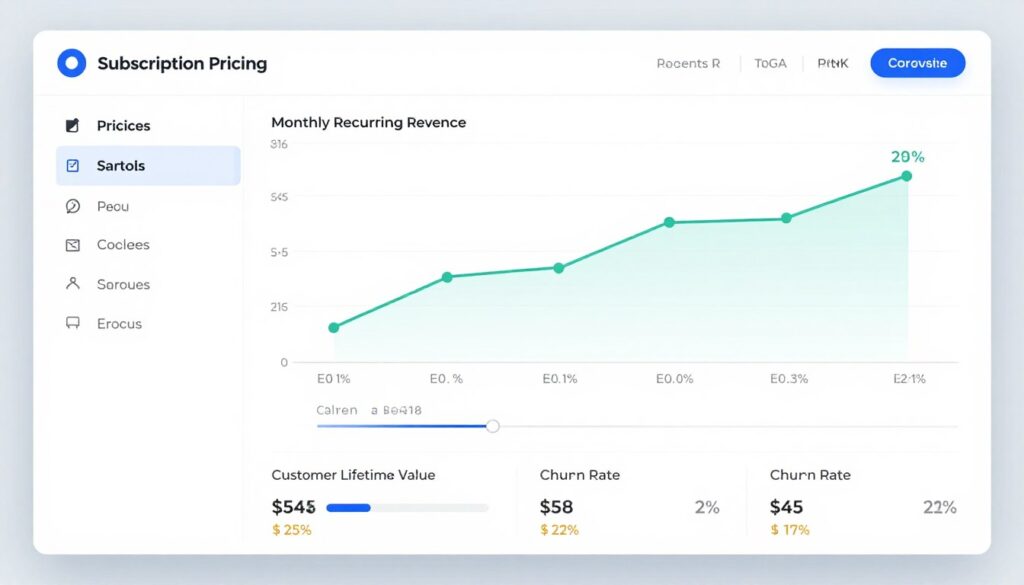
Pricing Strategy Fundamentals
Price determines perceived value and customer segment. Set prices too low and people question quality. Price too high and nobody converts. The sweet spot varies by market but follows consistent principles.
Value-based pricing works best for most web apps. Calculate the economic benefit customers receive. Price based on a fraction of that value. A tool that saves 10 hours weekly justifies significant subscription fees. The value clearly exceeds the cost.
Tiered pricing captures different customer segments. Small teams want basic features at lower prices. Enterprise customers need advanced capabilities and pay premium rates. Three tiers typically work best: entry level, professional, and enterprise.
Starter Tier
Attracts individual users and small teams. Limited features but delivers core value. Low price point reduces friction.
- $9-$29 per month typical range
- Single user or small team
- Core features only
- Email support
- Annual discount option
Professional Tier
Targets serious users and growing businesses. Full feature access with collaboration tools. Majority of revenue typically comes from this tier.
- $49-$99 per month typical range
- Team collaboration features
- Advanced integrations
- Priority support
- Custom domain included
Enterprise Tier
Serves large organizations with custom needs. Premium pricing for white-glove service. Often custom quoted rather than listed.
- $200+ per month or custom pricing
- Unlimited users and usage
- Dedicated support team
- Custom integrations
- SLA guarantees
Conversion Optimization Techniques
Getting visitors to become paying customers requires intentional design. Every element of the user experience influences conversion rates. Small improvements compound into significant revenue increases.
Free trials lower the barrier to entry. Users experience value before paying. The trial period should be long enough to demonstrate benefits but short enough to create urgency. Seven to fourteen days works for most apps. Thirty days suits products with longer learning curves.
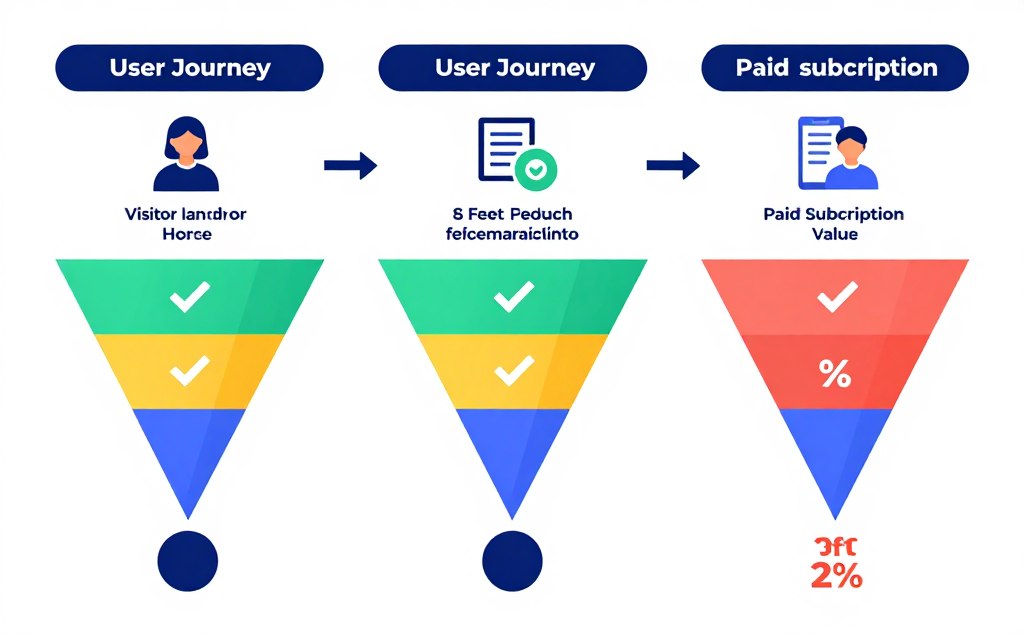
Onboarding quality determines trial conversion success. Guide new users to their first win quickly. Show them exactly how to accomplish their primary goal. Automated email sequences reinforce value throughout the trial. People buy after experiencing tangible benefits.
Clear call-to-action buttons matter more than most realize. Primary CTAs should use high-contrast colors. The copy should focus on outcomes rather than features. “Start Building Your App” converts better than “Sign Up.” Action-oriented language creates momentum.
Reducing Churn and Increasing Lifetime Value
Customer retention drives long-term profitability. Acquiring new customers costs more than keeping existing ones. Monthly churn above 5% indicates serious problems. Healthy SaaS businesses maintain churn below 2-3% monthly.
Identify churn signals before customers cancel. Declining usage patterns predict cancellations. Users logging in less frequently need intervention. Automated emails prompting re-engagement can recover at-risk customers.
Retention Strategies
- Regular Feature Updates: Ship new capabilities consistently. Users who see progress stay engaged and perceive ongoing value.
- Customer Success Check-ins: Reach out proactively to ensure satisfaction. Understanding customer goals allows you to demonstrate relevant value.
- Usage-Based Alerts: Notify customers when they approach limits. Offer upgrades before they hit walls rather than after frustration sets in.
- Educational Content: Teach customers advanced techniques. Power users who extract maximum value rarely cancel.
- Community Building: Create spaces where users connect. Social bonds and peer learning increase switching costs.
- Flexible Billing Options: Annual subscriptions with discounts reduce churn and improve cash flow. Monthly options provide flexibility for uncertain customers.
Increasing customer lifetime value multiplies the profit from each acquisition. Upselling and cross-selling create natural expansion revenue. Usage-based pricing causes revenue to grow automatically as customers succeed.
Payment Integration and Financial Infrastructure
Reliable payment processing forms the foundation of monetization. Modern platforms like Stripe handle complexity but still require proper implementation. AI builders simplify integration but founders must understand the pieces.
Stripe remains the gold standard for subscription billing. The service handles credit card processing, subscription management, invoice generation, and customer portals. Integration with AI platforms takes minutes instead of weeks.
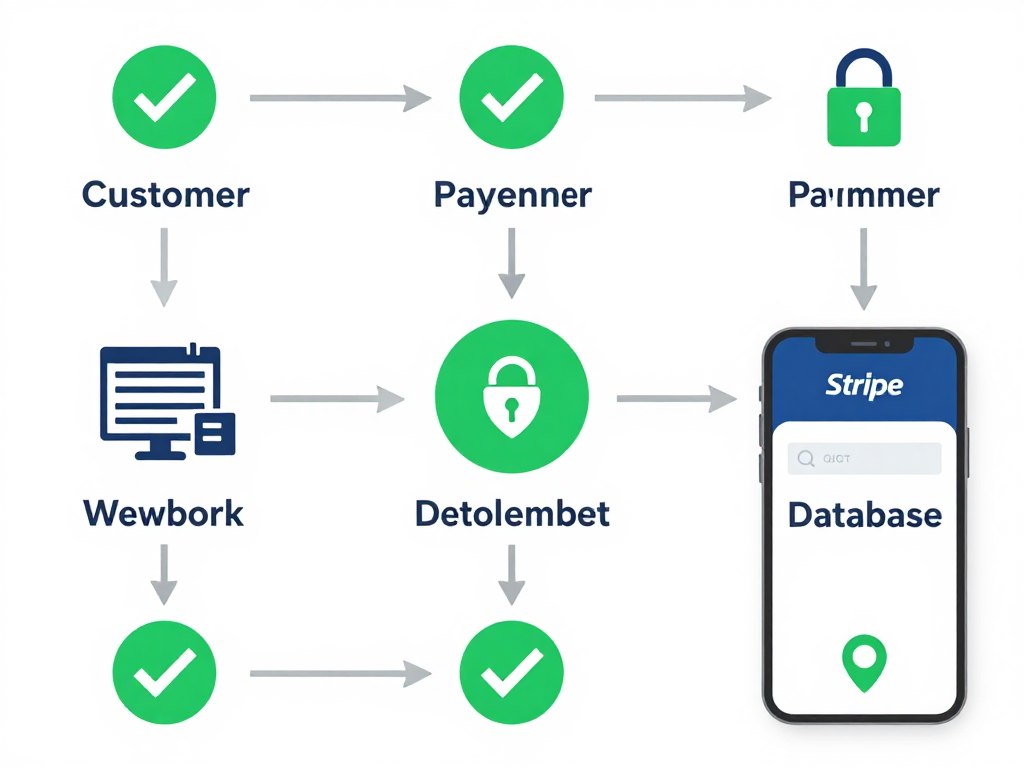
Webhook handling requires attention even with AI assistance. Stripe sends notifications about subscription events. Apps must process these signals to activate accounts, downgrade services, or handle payment failures. Prompt engineering can generate robust webhook handlers, but testing remains essential.
Tax handling grows complex as businesses scale. Stripe Tax automates sales tax calculation and collection across jurisdictions. This feature saves enormous compliance headaches. Enable it from day one even if sales start small.
Customer Acquisition and Marketing
Building great products only succeeds if people discover them. Marketing drives visibility and customer acquisition. AI platforms accelerate building but marketing remains a human responsibility.
Content marketing works exceptionally well for web apps. Write about problems your app solves. Create guides, tutorials, and case studies. Search engines reward helpful content with organic traffic. This channel scales without proportional spending.
Organic Growth Channels
- SEO-optimized blog content
- YouTube tutorials and demos
- Social media engagement
- Community participation
- Guest posting on relevant sites
- Podcast appearances
Paid Acquisition
- Google Ads for high-intent searches
- Facebook/Instagram for awareness
- LinkedIn for B2B audiences
- Reddit and niche forums
- Sponsored newsletters
- Affiliate partnerships
Retention Marketing
- Email nurture sequences
- Feature announcement campaigns
- Customer success stories
- Referral incentive programs
- Re-engagement automations
- Upsell trigger emails
Paid advertising accelerates growth when unit economics work. Calculate customer lifetime value before spending on ads. If LTV exceeds customer acquisition cost by 3x or more, paid channels become profitable. Start small, test channels, and scale what works.
Product-led growth reduces acquisition costs. Build sharing features directly into the app. Users who invite team members become distribution channels. Viral mechanics turn customers into marketers organically.
Real-World Examples of Successful Profit-Driven Apps Built with AI
Theory becomes concrete through examples. Numerous founders have built profitable businesses using AI development platforms. Their stories reveal patterns and strategies worth emulating.
Case Study: SaaS Tools for Content Creators
A solo founder identified a gap in the podcasting market. Content creators needed simple tools to manage sponsorships and track revenue. Existing solutions targeted large media companies with enterprise pricing and complexity.
The founder used Lovable to build a focused app in under two weeks. The product handled sponsor relationship management, ad placement tracking, and payment automation. Features addressed specific pain points that general-purpose tools ignored.
Development Timeline
- Week 1: Created database schema for podcasts, episodes, sponsors, and deals. Built authentication and basic dashboard. Generated initial UI from prompts describing desired layout.
- Week 2: Added sponsor management features, reporting dashboard, and Stripe integration for payments. Refined design based on beta tester feedback.
- Week 3: Launched to targeted podcast communities. First paid customer within 48 hours. Reached $500 MRR by end of month.
- Month 2-3: Iterated based on user requests. Added integrations with popular podcast hosting platforms. Revenue grew to $2,500 MRR.
- Month 6: Crossed $10,000 MRR with 180 paying customers. Solo founder operation remained profitable with minimal costs.
Success Factors
Niche Focus: Targeting podcasters specifically rather than all content creators allowed precise feature development.
Fast Iteration: AI-powered development enabled daily feature updates based on user feedback.
Community Building: Active participation in podcasting forums built trust and generated customers.
Simple Pricing: Single tier at $49/month captured the sweet spot for target market.
Low Costs: Minimal infrastructure spending meant profitability from month one.
Case Study: Internal Tools for Local Businesses
A small team recognized that local service businesses struggle with digital tools. Plumbers, electricians, and contractors need scheduling, invoicing, and customer management but find existing solutions too complex or expensive.
They built a streamlined business management app tailored to trades. The app handled appointment booking, job tracking, invoicing, and customer communication. Mobile apps allowed field workers to access information on-site.
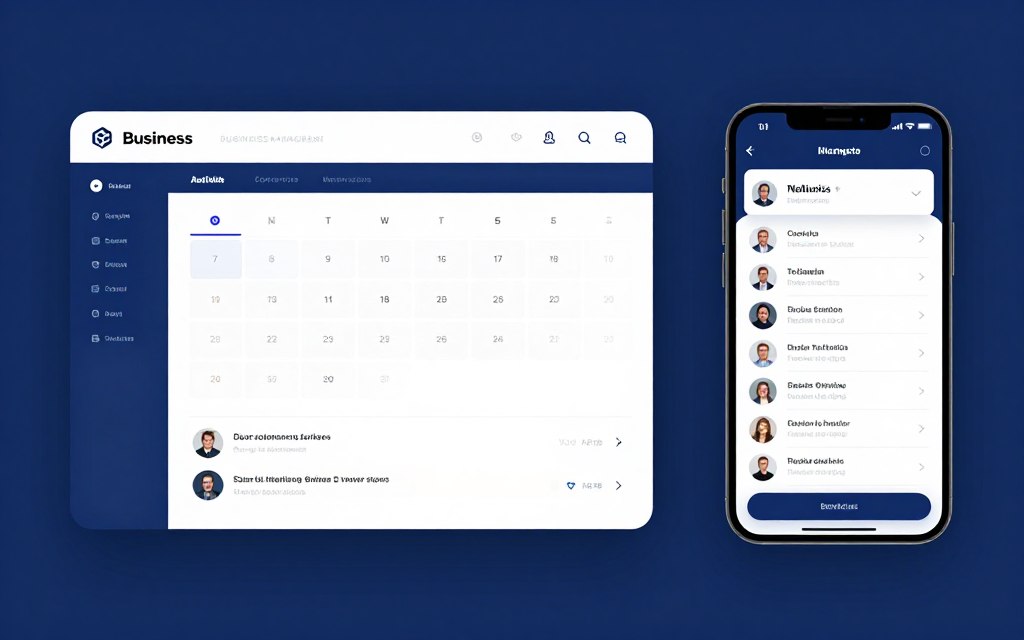
The team leveraged AI platforms to build both web and mobile versions simultaneously. Shared backend code reduced duplication. Features emerged quickly through natural language prompts describing contractor workflows.
What Worked
- Focused on single industry vertical
- Priced significantly below enterprise alternatives
- Offered white label versions to franchise systems
- Built mobile apps that competitors lacked
- Provided hands-on onboarding for early customers
- Created educational content about business management
Challenges Overcome
- Initial customers needed extensive hand-holding
- Feature requests threatened focus and scope creep
- Payment collection issues with some business owners
- Support demands exceeded expectations early on
- Seasonal business cycles affected revenue stability
- Competition from free alternatives required strong differentiation
The business reached profitability within six months. Annual plans provided cash flow stability. White label offerings to franchise organizations created enterprise-level deals from small business software.
Case Study: Marketplace Platform Built in Days
An entrepreneur wanted to test a niche marketplace idea without spending months on development. The concept connected specialized service providers with customers in an underserved geographic region.
Using an AI app builder, the founder created a functional marketplace in three days. The platform included provider profiles, booking system, payment processing, review management, and automated matching.
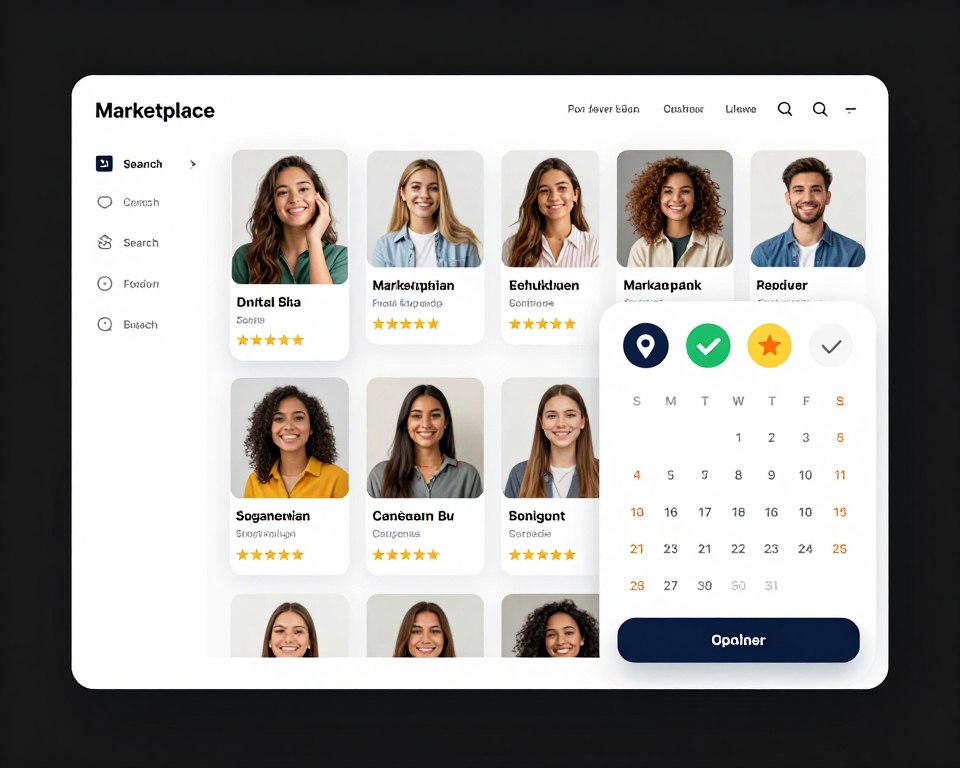
Speed to market proved crucial. The founder validated demand quickly with minimal investment. Early traction attracted both providers and customers. Network effects began working within weeks of launch.
Revenue came from multiple sources. Transaction fees on completed bookings provided the primary stream. Featured placement fees let providers increase visibility. Premium subscriptions offered additional marketing tools.
| Growth Metric | Month 1 | Month 3 | Month 6 | Month 12 |
| Active Providers | 12 | 47 | 156 | 340 |
| Monthly Bookings | 34 | 189 | 612 | 1,847 |
| GMV (Gross Merchandise Value) | $5,100 | $28,350 | $91,800 | $277,050 |
| Platform Revenue | $765 | $4,820 | $15,390 | $46,710 |
| Monthly Profit | -$2,100 | $1,240 | $8,920 | $31,550 |
Common Patterns Across Success Stories
Examining multiple successful projects reveals consistent themes. These patterns provide actionable guidance for new founders building profit-focused apps.
Specificity trumps generality. Apps that solve precise problems for defined audiences outperform generic solutions. The narrower the focus, the easier marketing becomes and the stronger product-market fit develops.
Speed creates competitive moats through learning. Founders who ship quickly gather real market feedback. They iterate faster than competitors. Early mistakes cost less when development cycles measure in days not months.
Key Success Pattern: The most profitable founders using AI platforms share a common approach. They identify a niche problem, build an MVP in days, launch to a small audience, collect payment from early customers, and then iterate based on actual usage data rather than assumptions. This cycle repeats continuously, with each iteration taking days instead of quarters. The compounding effect of rapid learning creates businesses that competitors cannot catch.
Multiple revenue streams diversify income and increase resilience. Apps with three or four monetization methods weather market changes better than single-source businesses. The combination of subscriptions, transactions fees, and premium features provides stability.
Founder-market fit matters as much as product-market fit. Successful founders understand their target customers deeply. They speak the language, know the pain points, and participate in the community. This knowledge guides every product and marketing decision.
Join Successful Founders Building with AI
These success stories share one common factor: they all started with a simple idea and an AI platform that removed technical barriers. Your profitable app journey could begin today.
Tips for Maximizing Efficiency and Profitability with AI Development
Efficiency separates sustainable businesses from struggling projects. AI platforms provide tools, but optimal usage requires deliberate practices. Smart workflows multiply productivity gains.

Mastering Prompt Engineering
The quality of AI-generated code depends directly on prompt clarity. Vague instructions produce mediocre results. Specific, well-structured prompts generate production-ready features.
Effective prompts include context, desired outcome, and relevant constraints. Instead of “add a login page,” specify “create a login page with email and password fields, remember me checkbox, forgot password link, and error handling for invalid credentials.”
Prompt Structure Template
- Context: Describe the app purpose and current state
- Feature Request: State what you want to build clearly
- Specifications: List specific requirements and behaviors
- Edge Cases: Mention error handling and unusual situations
- Design Preferences: Specify styling or layout wishes
Example: “For my appointment booking app, create a calendar component that displays available time slots for the next 30 days. Users should click a date to see available hours. Unavailable slots should appear grayed out. Include loading states and error messages if data fails to load. Use a clean, modern design with blue accents matching the existing color scheme.”
Common Prompt Mistakes to Avoid
- Asking for too many features in one prompt
- Using ambiguous language and assumptions
- Forgetting to mention error handling needs
- Neglecting responsive design requirements
- Not specifying data relationships clearly
- Assuming the AI remembers distant context
- Requesting changes without referencing existing code
- Skipping validation and security considerations
Iterative refinement produces better results than attempting perfection in single prompts. Generate initial code, review output, then refine with follow-up instructions. This conversation-like approach leverages AI strengths.
Building Reusable Components and Templates
Efficiency compounds when work applies to multiple projects. Successful founders develop libraries of common components. These building blocks accelerate each new app project.
Authentication systems, payment flows, and admin dashboards appear in most apps. Build these once with high quality. Reuse across projects with minor customizations. AI platforms can generate variations from prompts referencing previous implementations.
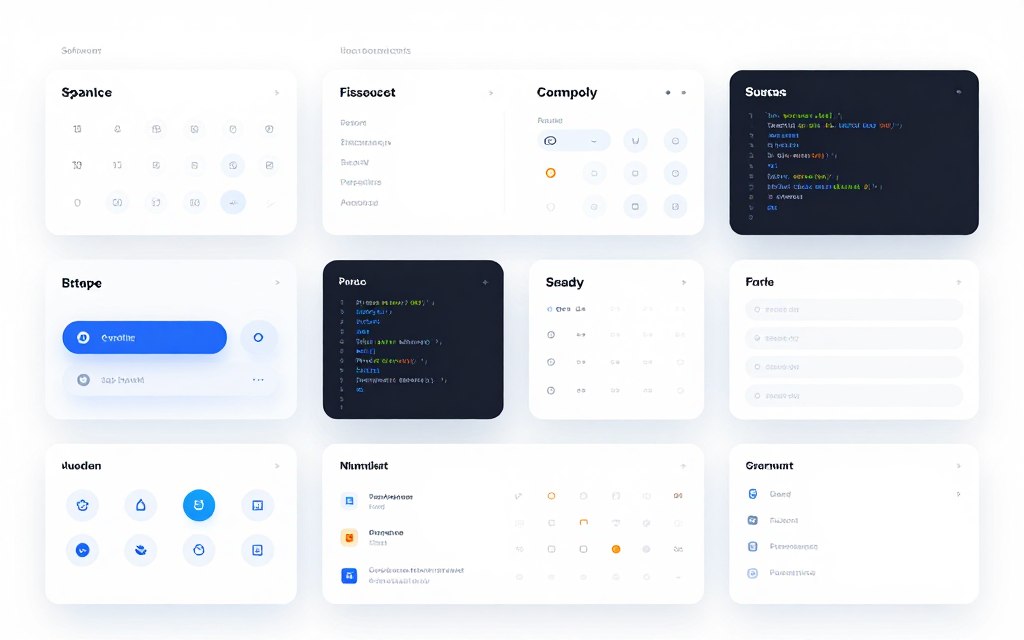
Document your successful patterns. Create a personal knowledge base of effective prompts, component structures, and integration approaches. Reference these when starting new projects. The accumulated wisdom saves hours on each build.
Team Collaboration and Project Management
Small teams want efficient coordination tools. AI platforms increasingly support collaboration features. Multiple people work on projects simultaneously. Changes sync automatically across team members.
Establish clear ownership and responsibilities. One person should own each feature or section. This prevents conflicts and duplicated effort. Daily standups keep everyone aligned even in distributed teams.
Solo Founder Workflow
- Focus on one project at a time
- Build in focused time blocks
- Test continuously during development
- Deploy small changes frequently
- Track tasks in simple tools
- Automate repetitive tasks early
Small Team Workflow
- Divide features among team members
- Use branching for parallel work
- Daily syncs to align progress
- Shared component library
- Code review for quality control
- Rotating on-call for support
Agency Workflow
- Template-based starting points
- Client feedback loops
- Standardized project phases
- Reusable deployment pipelines
- Knowledge documentation system
- Team training on prompts
Version control remains important even with AI builders. Platforms like Lovable integrate with Git repositories. This allows rolling back changes, branching for experiments, and maintaining production stability while developing new features.
Quality Assurance and Testing
Speed should not sacrifice quality. AI-generated code requires testing like any software. Bugs in production damage reputation and cost customers.
Manual testing catches most issues during development. Click through features as real users would. Try edge cases and error conditions. Input invalid data to verify error handling works correctly.
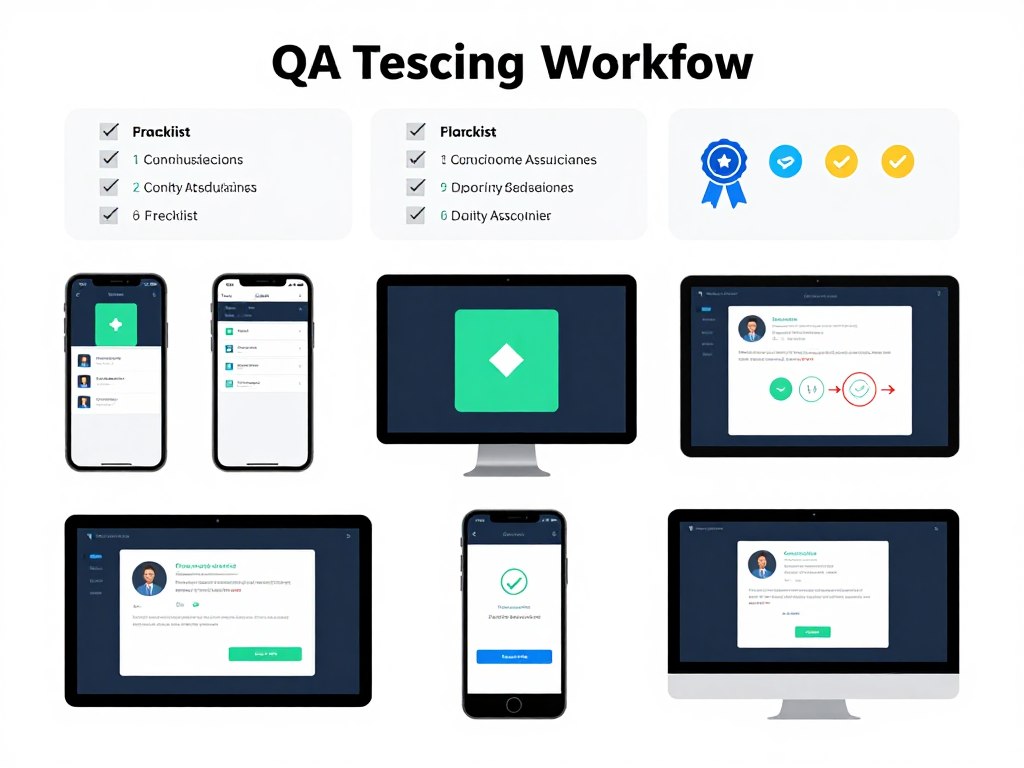
Automated testing provides confidence in ongoing changes. Write tests for critical functionality like authentication, payments, and data integrity. These tests run automatically when deploying updates. Breaking changes get caught before reaching users.
User acceptance testing with real people reveals issues developers miss. Recruit a small group of beta testers. Watch them use the app without guidance. Their confusion and questions highlight UX problems requiring fixes.
Performance Optimization Strategies
Fast apps convert better and retain users longer. Page load time directly impacts revenue. Optimize performance from the beginning rather than addressing it later.
Database queries often cause slowdowns. AI-generated code may not include optimal indexing. Review query performance in production. Add indexes to frequently accessed fields. Cache expensive calculations when appropriate.
Performance Checklist
- Optimize images to appropriate sizes
- Implement lazy loading for content
- Use CDN for static assets
- Enable compression for text resources
- Minimize database query counts
- Cache API responses when possible
- Implement pagination for large lists
- Monitor real user performance metrics
Performance Monitoring
Measure what matters to users. Core Web Vitals provide standard metrics that Google also uses for search rankings.
- Largest Contentful Paint (LCP): How quickly main content appears. Target under 2.5 seconds.
- First Input Delay (FID): Time until the app responds to interaction. Target under 100 milliseconds.
- Cumulative Layout Shift (CLS): Visual stability as page loads. Target under 0.1.
Tools like Lighthouse, WebPageTest, and real user monitoring services track these metrics. Regular monitoring catches performance regressions before they impact business metrics.
Scaling Infrastructure Efficiently
Growth brings infrastructure challenges. Apps that work fine with hundreds of users may struggle with thousands. Plan for scale without over-engineering prematurely.
Most modern platforms handle initial scaling automatically. Services like Vercel, Netlify, and Railway adjust resources based on traffic. This serverless approach means paying for actual usage rather than reserved capacity.
Database scaling requires more attention. Connection limits and query performance affect larger user bases differently. Monitor database metrics closely. Upgrade tiers before hitting limits rather than during crises.
Scaling Rule of Thumb: Plan infrastructure upgrades when reaching 70% of current capacity. This buffer prevents emergencies while avoiding wasteful over-provisioning. Most platforms provide clear usage metrics. Set alerts at 60% thresholds to give adequate planning time.
Future Trends and Opportunities in AI-Driven Web Development
The AI development landscape evolves rapidly. Understanding emerging trends helps founders position for future opportunities. Early adopters of new capabilities gain significant advantages.
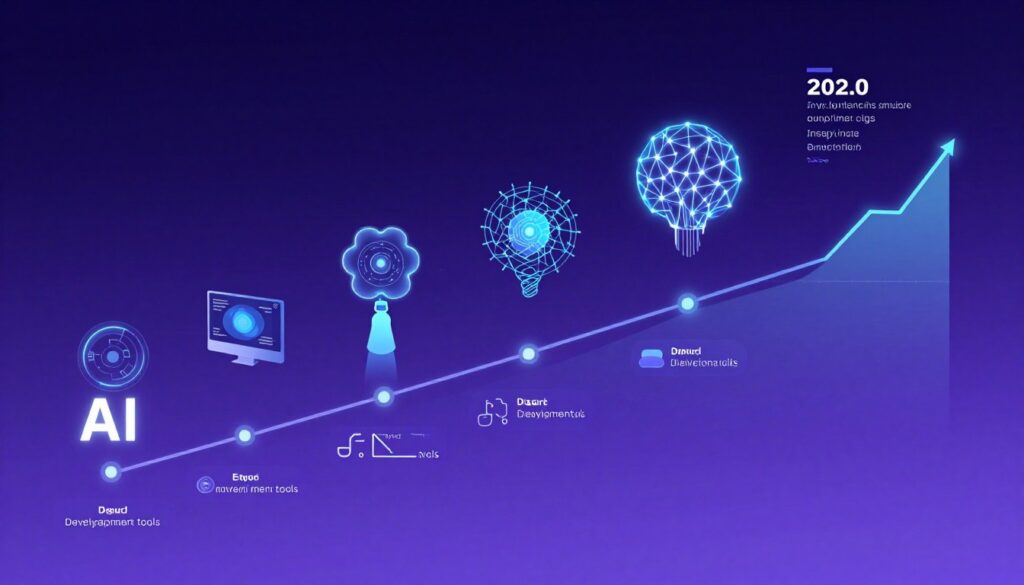
Evolution of AI Code Generation
AI models improve continuously. Each generation understands context better and produces higher quality code. The gap between AI-generated applications and hand-coded projects narrows constantly.
Multimodal AI combines different input types. Current platforms accept text prompts. Future versions will understand sketches, voice commands, and visual references. Design an interface on paper, photograph it, and watch AI generate working code.
Specialized models trained on specific frameworks or industries will emerge. An AI trained exclusively on e-commerce apps generates better shopping cart implementations than general-purpose models. Niche platforms will offer domain expertise advantages.
Near-Term Developments (2024-2025)
Immediate improvements already in development pipelines will ship within months.
- Better understanding of complex prompts
- Improved debugging and error fixing
- More sophisticated UI generation
- Enhanced security implementations
- Automatic performance optimization
- Integrated testing generation
Medium-Term Trends (2025-2027)
Transformative capabilities that will reshape development practices fundamentally.
- Voice-controlled development interfaces
- Visual design to code conversion
- Autonomous bug fixing systems
- Predictive feature suggestions
- Cross-platform code generation
- Intelligent refactoring tools
Long-Term Vision (2027+)
Speculative but plausible developments that could revolutionize software creation.
- AI that maintains and evolves apps autonomously
- Business logic generation from requirements alone
- Self-optimizing applications
- Automatic market fit iteration
- AI-driven user research and feature prioritization
- Fully autonomous software businesses
Impact on Profitability
How these trends affect profit opportunities for builders and entrepreneurs.
- Lower barriers mean more competition
- Speed advantages become temporary
- Execution and marketing matter more
- Niche specialization remains valuable
- Portfolio approaches to app building
- Focus shifts to business model innovation
Emerging Monetization Opportunities
New technologies create new business models. AI-powered development opens revenue streams that were not previously viable due to cost structures.
Hyper-personalized apps become economically feasible. Build custom applications for individual clients in days instead of months. The economics work at much smaller scale. One-person consultancies can serve dozens of clients with unique solutions.
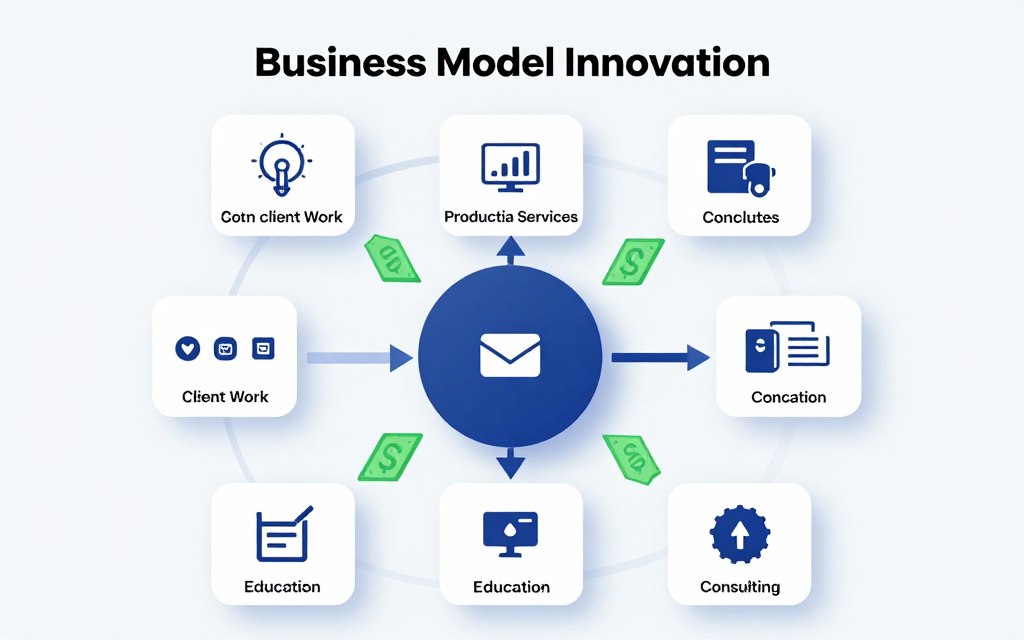
Template marketplaces will expand significantly. Developers create industry-specific starting points using AI platforms. Other builders purchase these templates and customize quickly. Revenue comes from template sales rather than custom development.
AI-as-a-service models layer on top of development platforms. Build specialized AI features once, then expose them through APIs. Other developers pay per use. The infrastructure investment spreads across many customers.
The No-Code to Low-Code Spectrum
Tools exist on a spectrum from pure no-code to traditional development. AI platforms blur these categories. Users choose their preferred abstraction level based on skill and needs.
Pure no-code serves citizen developers with zero programming knowledge. These tools prioritize visual interfaces and guided workflows. They sacrifice flexibility for accessibility. Market size is enormous but competition intensifies.
Low-code platforms target developers who want leverage without giving up control. AI generates starting points. Humans customize and extend with code when needed. This hybrid approach combines speed with flexibility. Lovable fits this category, offering both prompt-based generation and direct code access.
| Approach | Target User | Flexibility | Learning Curve | Best For |
| Pure No-Code | Business users, non-technical founders | Limited to platform capabilities | Minimal (hours to days) | Simple CRUD apps, prototypes, internal tools |
| AI-Assisted Low-Code | Developers, technical founders | High – can customize generated code | Moderate (days to weeks) | Production apps, SaaS products, custom solutions |
| AI-Enhanced Traditional Coding | Professional developers | Complete control | Steep (months to years) | Complex systems, specialized requirements, enterprise |
Integration with Broader AI Ecosystem
Development platforms will connect more deeply with other AI services. Apps built with AI will also operate using AI. This integration creates new possibilities and requirements.
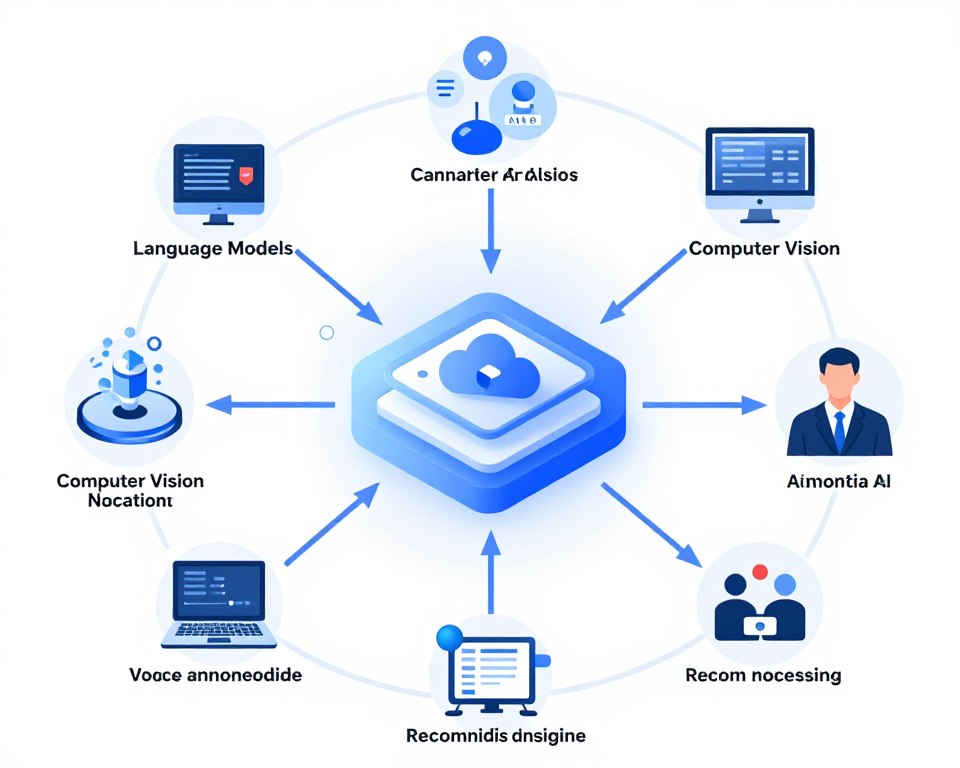
Large language models become app features rather than external services. Users expect AI-powered search, content generation, and intelligent recommendations. Building these capabilities requires platform support for LLM integration.
Computer vision and voice processing integrate into standard app features. Image recognition, document processing, and voice interfaces become expected rather than novel. AI development platforms will include these capabilities as standard building blocks.
Preparing for the Next Wave
Founders who anticipate trends position advantageously. Several actions prepare businesses for coming changes without requiring speculation about distant futures.
Build skills in prompt engineering and AI interaction patterns. These capabilities transfer across platforms and models. Understanding how to communicate effectively with AI systems becomes increasingly valuable.
Focus on business fundamentals rather than technical moats. Technology advantages erode quickly as AI capabilities commoditize. Strong customer relationships, brand recognition, and superior execution create lasting advantages.
Strategic Warning: As AI development tools become more powerful and accessible, competition in every niche will intensify. The number of apps launched will increase dramatically. Success will require stronger differentiation, better marketing, and superior customer service rather than just faster development. Technical speed advantages are temporary. Business execution advantages compound over time.
Experiment with emerging platforms early. Being an experienced user of next-generation tools before they mainstream creates expertise advantages. Join beta programs. Test new features. Provide feedback to platform creators. Early adopters influence product direction.
Build multiple income streams and diversified portfolios. Individual apps face increasing competition. A portfolio of products provides resilience. Some projects fail, others succeed. The aggregate results smooth volatility.
Advanced Techniques for Experienced Builders
Mastering basics is just the beginning. Advanced techniques multiply results for developers ready to push platforms to their limits.

Custom Backend Logic and Database Optimization
AI platforms generate standard database structures. Custom requirements often need manual refinement. Understanding database principles allows optimization that AI currently misses.
Indexing strategies dramatically affect query performance. Composite indexes on frequently queried field combinations can reduce response times from seconds to milliseconds. While AI might create basic indexes, strategic optimization requires human judgment about actual usage patterns.
Database Performance Techniques
- Strategic Indexing: Create indexes on columns used in WHERE, JOIN, and ORDER BY clauses. Monitor slow query logs to identify optimization targets.
- Query Optimization: Reduce N+1 query problems through eager loading. Minimize data fetched by selecting specific columns rather than entire rows.
- Caching Layers: Implement Redis or similar for frequently accessed data. Cache expensive calculations and aggregations.
- Database Normalization: Balance normalized schema with strategic denormalization for performance-critical queries.
- Connection Pooling: Reuse database connections rather than creating new ones per request. Reduces overhead substantially at scale.
Backend Architecture Patterns
- Background Jobs: Move slow operations like email sending or report generation to asynchronous queues. Keep API responses fast.
- API Rate Limiting: Protect backend from abuse through intelligent rate limiting per user or IP address.
- Microservices Architecture: Split complex apps into focused services. Each handles specific domain concerns independently.
- Event-Driven Design: Use events to decouple components. Services react to state changes rather than direct coupling.
- Graceful Degradation: Design systems that continue functioning when dependencies fail. Partial functionality beats complete failure.
Advanced Integration Patterns
Complex apps integrate many external services. Managing these connections cleanly separates good code from maintenance nightmares.
Abstraction layers isolate integration logic. If switching from one payment processor to another, clean abstractions limit changes to a single module. The rest of the app remains unaffected.
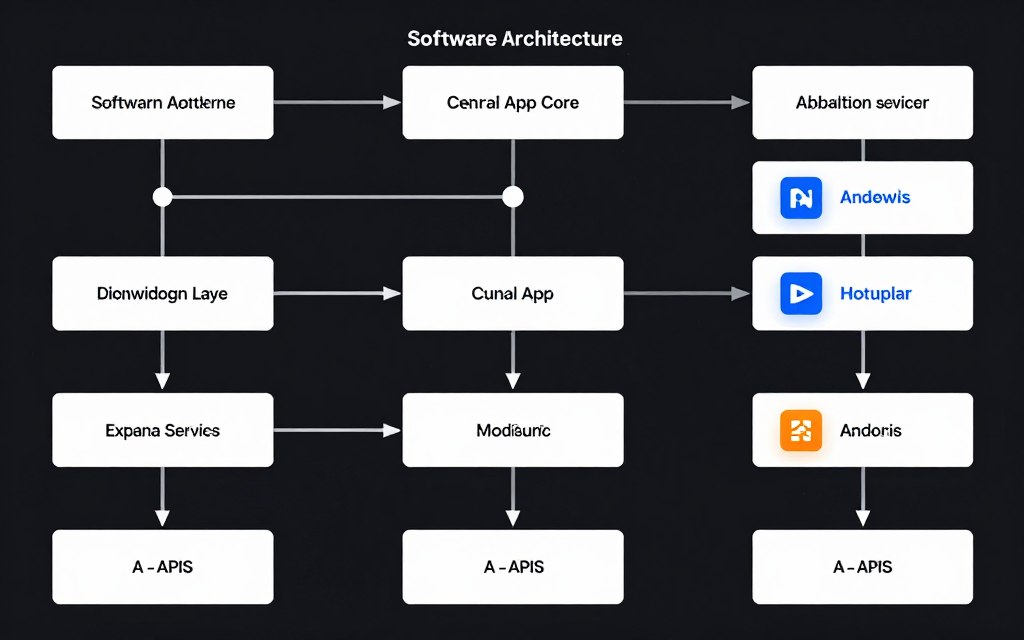
Webhook reliability requires careful implementation. External services send notifications about events. Apps must handle duplicates, out-of-order delivery, and extended delays. Idempotency keys prevent processing the same event multiple times.
Security Hardening and Compliance
Production apps handle sensitive data. Security cannot be an afterthought. While AI platforms include basic protections, serious applications need additional hardening.
Authentication security goes beyond basic login. Implement multi-factor authentication for sensitive operations. Use secure session management with proper timeout policies. Hash passwords with modern algorithms like bcrypt or Argon2.
Application Security
- Input validation and sanitization
- SQL injection prevention
- Cross-site scripting (XSS) protection
- CSRF token implementation
- Secure API authentication
- Rate limiting and DDoS protection
Data Protection
- Encryption at rest and in transit
- Secure key management
- Regular backup procedures
- Data retention policies
- GDPR and privacy compliance
- Audit logging for sensitive operations
Infrastructure Security
- SSL/TLS certificate management
- Firewall and network security
- Dependency vulnerability scanning
- Security update procedures
- Penetration testing
- Incident response planning
Analytics and Data-Driven Optimization
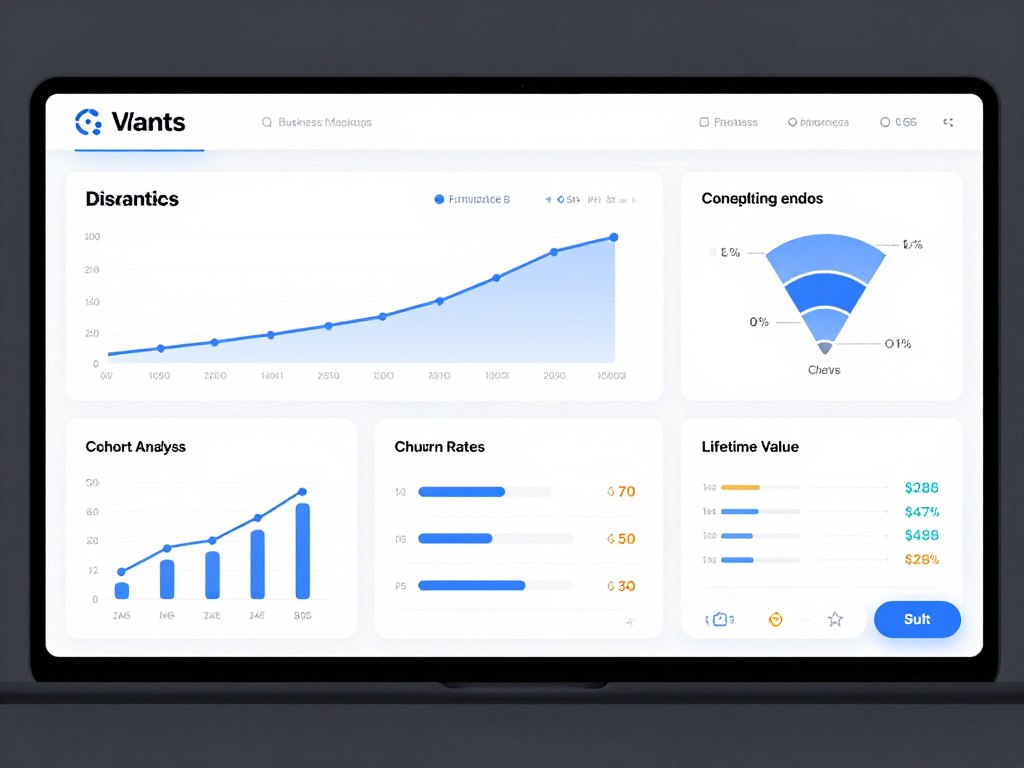
Successful apps make decisions based on data rather than intuition. Implementing comprehensive analytics reveals user behavior and business performance.
Event tracking captures user actions throughout the app. Which features get used most? Where do users get stuck? What paths lead to conversions? This data guides feature prioritization and UX improvements.
Business metrics matter more than vanity metrics. Daily active users sounds impressive but revenue per user determines profitability. Churn rate predicts sustainability better than signup counts. Focus measurement on metrics that directly impact business success.
Scaling Team and Processes
Growing beyond solo founder requires process evolution. What works for one person breaks with teams. Intentional practices prevent chaos as headcount increases.
Documentation becomes crucial with multiple people. Record architectural decisions, deployment processes, and troubleshooting guides. New team members onboard faster. Knowledge does not live in a single person’s head.
Code review catches bugs and spreads knowledge. Even small teams benefit from peer review. A second set of eyes spots issues. Reviewing others’ code teaches new approaches. The quality improvement justifies the time investment.
Team Growth Best Practices
- Establish Coding Standards: Define conventions for code structure, naming, and organization. Consistency reduces cognitive load across the team.
- Implement CI/CD Pipelines: Automate testing and deployment. Humans make mistakes. Automated systems enforce quality gates reliably.
- Create Runbooks: Document common operations and incident responses. Anyone on the team should handle routine tasks.
- Regular Knowledge Sharing: Schedule team sessions where members present recent work or learnings. Distribute expertise.
- Define Ownership Domains: Assign clear responsibility for features, services, or customer segments. Accountability improves outcomes.
- Build Internal Tools: Custom tooling for deployment, monitoring, or customer support increases team efficiency substantially.
Common Team Pitfalls
- Undefined roles and responsibilities
- Inadequate communication channels
- No clear decision-making process
- Insufficient documentation
- Skipping code review for speed
- Neglecting technical debt
- Poor onboarding for new members
- Reactive rather than proactive culture
Comparing AI Web App Builders: Making the Right Choice
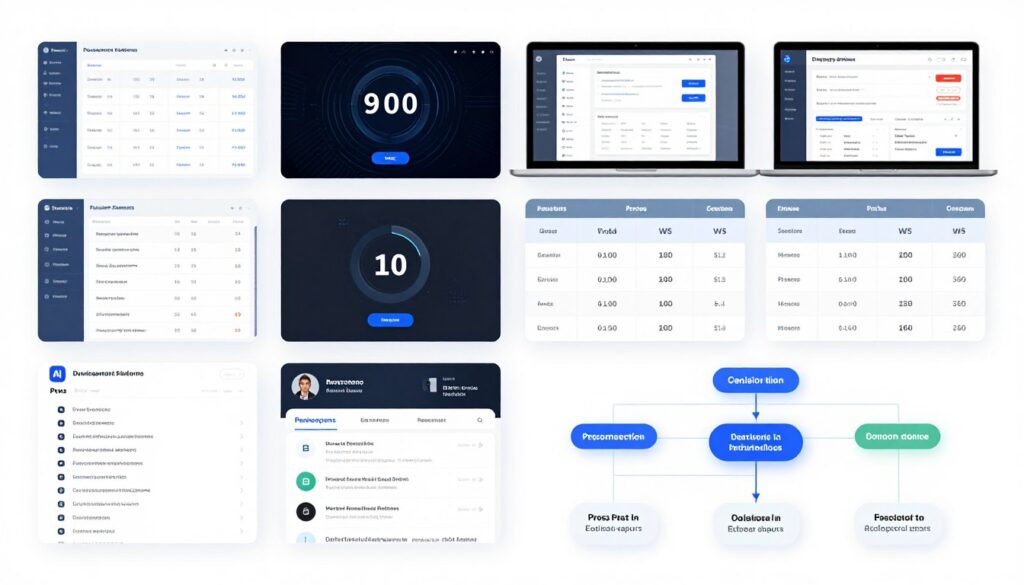
Multiple platforms compete for developer attention. Each has strengths and tradeoffs. Choosing wisely saves time and enables capabilities needed for specific projects.
Key Evaluation Criteria
Comparing platforms requires looking beyond marketing claims. Hands-on testing reveals real capabilities and limitations. Several factors determine whether a platform suits specific needs.
Code quality affects long-term maintainability. Some platforms generate clean, well-structured code that developers can customize easily. Others produce tangled output that becomes difficult to modify. Request the same feature from multiple platforms and compare generated code.
Technical Evaluation Factors
- Quality and readability of generated code
- Supported programming languages and frameworks
- Database options and query capabilities
- API integration ease and flexibility
- Deployment and hosting options
- Performance and scaling characteristics
- Mobile app support and responsiveness
- Ability to work with custom code
Business Evaluation Factors
- Pricing model and total cost at scale
- Learning curve and documentation quality
- Community size and third-party resources
- Vendor stability and funding status
- Export options and vendor lock-in risk
- Support quality and response time
- Feature development velocity
- Enterprise features and compliance
Platform Categories and Use Cases
Different platforms optimize for different scenarios. Understanding these categories helps match tools to projects effectively.
Full-stack AI builders like Lovable generate complete applications with frontend, backend, and database. These work best for standalone web apps and SaaS products. The integrated approach speeds development but may limit architectural flexibility.
Frontend-focused tools excel at user interface generation. They create beautiful, responsive designs quickly but require separate backend setup. Projects with existing APIs or microservices architectures benefit from this approach.
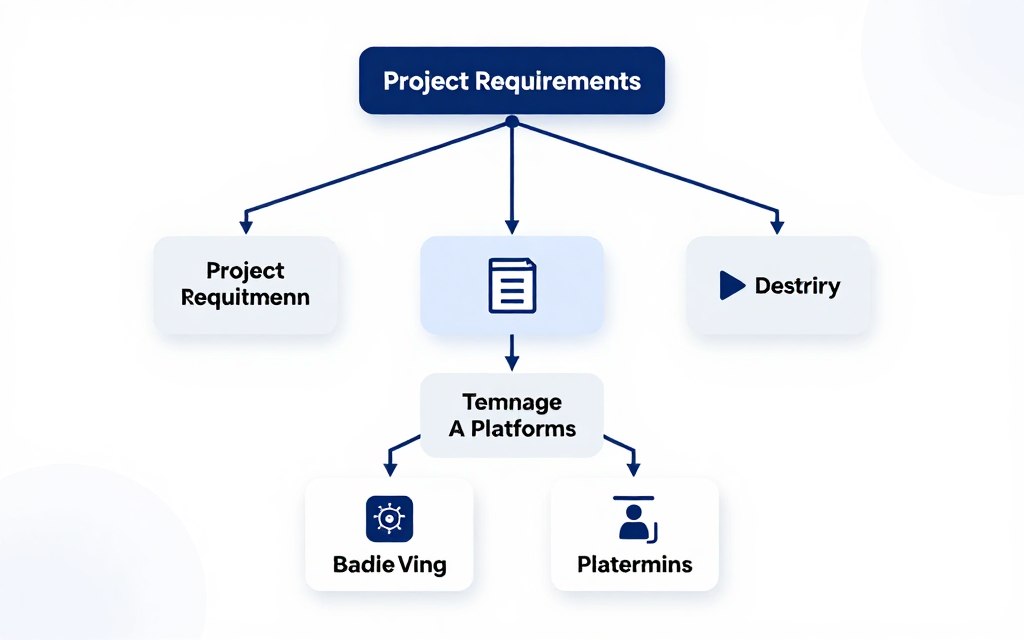
Specialized builders target specific app types. Internal tools builders optimize for business process automation. Mobile apps platforms focus on native mobile development. E-commerce builders include shopping cart functionality out of the box.
Lovable Platform Strengths
Understanding what makes Lovable particularly effective helps builders maximize the platform. Several characteristics distinguish it from alternatives.
The natural language interface feels conversational. Describe features in plain English and receive working implementations. The AI maintains context across the entire project timeline. Reference earlier work in new prompts without restating details.
Production readiness sets Lovable apart. Generated apps deploy immediately to live environments. No separate staging setup or deployment configuration required. Connect a custom domain with simple prompts. Applications handle real user traffic from day one.
The platform includes comprehensive backend infrastructure. PostgreSQL database, authentication system, API endpoints, and hosting all come pre-configured. Solo founders build production apps without DevOps expertise.
When to Use Alternative Platforms
Lovable excels for many projects but other tools suit certain scenarios better. Honest assessment prevents choosing tools based on familiarity rather than requirements.
Pure no-code platforms like Bubble or Webflow work better for non-technical users building simple apps. These tools provide visual interfaces that feel more approachable to people uncomfortable with code.
- SaaS products and web applications
- Internal business tools and dashboards
- Marketplace and directory platforms
- Booking and scheduling systems
- Content management systems
- Customer portals and member areas
- API-driven applications
- Projects requiring custom logic
Best for Lovable
- Native mobile apps requiring device APIs
- Real-time gaming or collaboration tools
- Video or audio streaming platforms
- Blockchain and Web3 applications
- Extremely high-scale applications from day one
- Projects with specialized framework requirements
- Desktop application development
- Embedded systems or IoT projects
Consider Alternatives For
- Start with Lovable for rapid MVP
- Validate market fit quickly
- Build initial customer base
- Generate revenue early
- Gather product requirements
- Migrate to custom stack if scaling requires it
- Or stay on platform and grow profitably
- Decision based on actual data, not speculation
Hybrid Approaches
Migration and Portability Considerations
Vendor lock-in concerns many founders. Understanding portability helps make informed platform choices. The fear of being trapped often exceeds actual risk.
Lovable generates standard code using popular open-source technologies. React for frontend, Node.js for backend, PostgreSQL for database. This stack runs anywhere. Export the code repository and deploy to any hosting provider if needed.
Data portability matters more than code portability for most businesses. Customer data, content, and business records hold the real value. Standard database formats and API exports ensure data remains accessible regardless of platform changes.
Practical Portability Advice: Most founders never migrate away from platforms that work well. The theoretical ability to leave matters less than actual business success. Choose platforms based on capability to build profitable apps quickly rather than exit scenarios. Successful businesses generate enough value to fund migrations if they ever become necessary. Failed projects do not need migration plans.
Your First Profitable App: A Step-by-Step Getting Started Guide
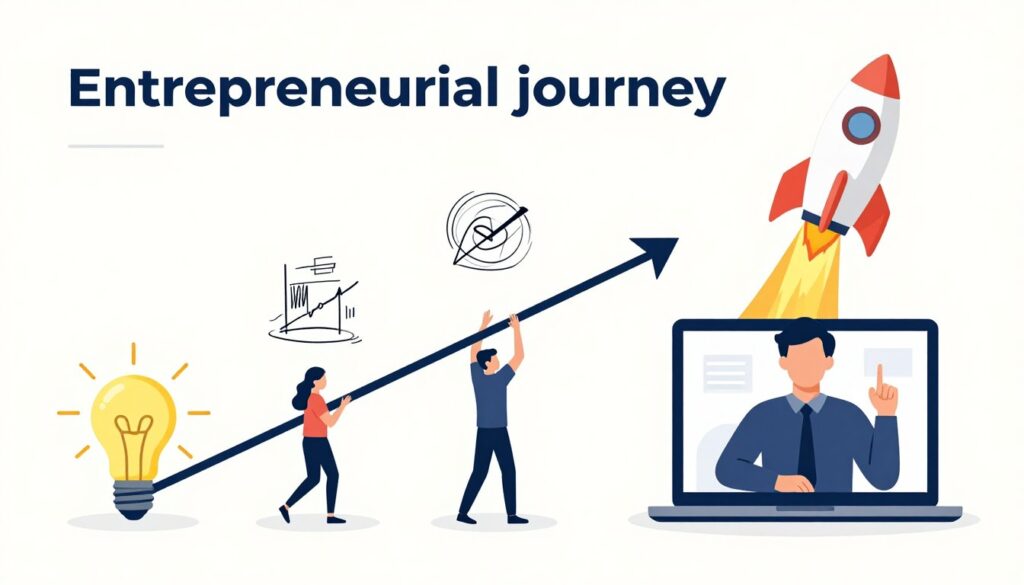
Theory transforms into results through action. This section provides a concrete roadmap for building and launching a profitable web app using AI platforms.
Phase 1: Idea Validation and Planning
Successful apps solve real problems for real people. Validation happens before building, not after. Spending days on validation saves months on failed products.
Identify a specific target customer. Generic “everyone” targets rarely work. “Solo real estate agents struggling with client follow-up” defines a clear segment. Speak directly to their needs.
Validation Checklist
- Describe the customer in specific detail
- Identify the urgent problem being solved
- Verify customers currently pay for solutions
- Confirm existing options have weaknesses
- Estimate market size and reachability
- Define minimum feature set clearly
- Outline pricing strategy and model
- Plan initial marketing channels
Quick Validation Methods
- Customer Interviews: Talk to 10-15 potential customers. Ask about current solutions and willingness to pay.
- Landing Page Test: Create a simple page describing the product. Drive traffic and measure signup interest.
- Community Research: Study forums, Facebook groups, and Reddit. Find people discussing the problem.
- Competitor Analysis: Examine existing solutions. Where do users complain? What do reviews request?
- Pre-Sales: Offer founding member discounts. Collect emails or even payments before building.
Phase 2: MVP Development with Lovable
Validation completed, building begins. The MVP includes only core features needed to deliver value. Everything else waits for post-launch iteration.
Start with account creation and core workflow. Authentication lets users return to saved work. The primary feature delivers the promised value. Everything else is secondary.

Write clear prompts describing each feature. Reference the user flow documented during validation. The AI generates code matching described behavior. Review output and refine through follow-up prompts.
Phase 3: Beta Launch and Initial Customers
Launching to friends and family teaches nothing. Real validation requires real customers paying real money. Charge from day one even during beta.
Reach out to validation interview participants. They expressed interest and understand the value. Offer limited beta access at discounted pricing. Early customers become valuable feedback sources.
Beta Launch Tactics
- Email validation interview participants
- Post in relevant online communities
- Reach out directly to potential customers
- Offer founding member lifetime discounts
- Set expectations about beta status clearly
- Request detailed feedback in exchange
- Provide direct access to founding team
- Celebrate early customer wins publicly
Beta Customer Communication Template
“We’re launching [Product Name] to solve [Problem]. Based on our earlier conversation, I thought you’d be interested in founding member access.
The app lets you [Core Benefit] in [Time Saving]. Current beta users report [Specific Result].
Founding members pay $X/month instead of the $Y regular price. This rate locks in forever. Limited to the first 50 customers.
Would you like to try it? I’d love your feedback as we refine the product.”
Track everything from day one. How do people discover the app? Which features get used? Where do they get stuck? This data guides the next iteration cycle.
Phase 4: Iteration Based on Real Usage
Beta users reveal what actually matters. Their behavior trumps your assumptions every time. Build what they use, not what they request.
Monitor usage analytics and support conversations. Patterns emerge quickly. Multiple customers mention the same friction point. That becomes the priority fix. Features nobody uses get removed rather than improved.
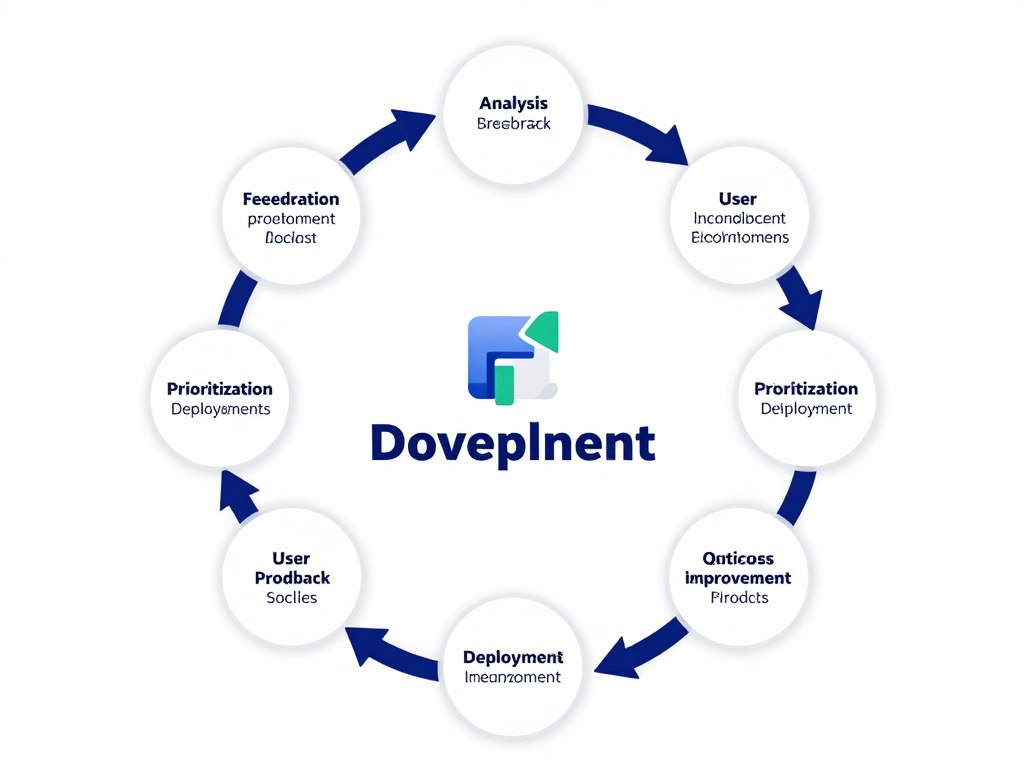
Ship updates frequently. AI platforms enable daily deployments if needed. Small, incremental improvements compound into major enhancements. Users appreciate seeing rapid progress.
Phase 5: Scaling Customer Acquisition
Product-market fit proven, growth becomes the focus. Scale marketing channels that show positive unit economics. The goal shifts from validation to volume.
Content marketing builds sustainable organic traffic. Write about problems your app solves. Target keywords potential customers search. Google rewards helpful content with rankings that drive traffic for years.
Organic Growth Strategies
- SEO-optimized blog content weekly
- Guest posting on industry blogs
- YouTube tutorials and demos
- Podcast appearances and interviews
- Social media consistent presence
- Community building and engagement
- Free tool or calculator as lead magnet
Paid Acquisition Tactics
- Google Ads targeting high-intent keywords
- Facebook/Instagram awareness campaigns
- LinkedIn ads for B2B audiences
- Sponsored content and newsletter ads
- Affiliate and referral programs
- Retargeting campaigns for visitors
- Influencer partnerships in niche
Partnership Channels
- Integration partnerships with complementary tools
- Reseller agreements with agencies
- White label licensing to larger companies
- Co-marketing with non-competing products
- API partnerships for embedded features
- Education and training partnerships
- Industry association memberships
Measure everything. Customer acquisition cost must remain below one-third of lifetime value. Channels that violate this rule drain cash rather than generating profit. Scale winners, cut losers ruthlessly.
Common Mistakes to Avoid
Learning from others’ mistakes saves time and money. First-time founders repeatedly make predictable errors. Awareness prevents most of them.
Product Development Mistakes
- Building too many features before launch
- Perfecting design instead of validating value
- Ignoring user feedback and following roadmap
- Adding complexity without proven demand
- Copying competitor features without understanding
- Technical architecture over-engineering
- Rewriting instead of iterating
- Letting personal preferences override data
Business Strategy Mistakes
- Waiting for perfection before charging
- Pricing too low out of fear
- Targeting everyone instead of someone
- Spending on marketing before product works
- Building in isolation without customer contact
- Focusing on features over customer acquisition
- Neglecting financial planning and metrics
- Scaling costs before scaling revenue
Taking Action: Your Path to Profitable App Development
Building fast web apps with AI platforms represents genuine opportunity. The tools exist. The market remains hungry for solutions. Success requires action rather than perfect preparation.

The strategies outlined in this guide work for developers and non-technical founders alike. AI platforms democratize web application development. Technical barriers have collapsed. Business execution determines outcomes.
Speed matters more than perfection. Markets reward those who ship. AI-powered development enables launching in days instead of months. This velocity advantage compounds when combined with rapid iteration based on real user feedback.
Profitability stems from solving real problems for defined audiences. Generic solutions struggle. Focused apps that address specific pain points capture value effectively. Narrow targeting simplifies marketing and strengthens product-market fit.
Essential Success Factors
- Start with clear customer problem validation
- Build minimal viable products rapidly
- Launch to real paying customers immediately
- Iterate based on usage data not assumptions
- Focus on business metrics over vanity numbers
- Maintain low costs while proving model
- Scale marketing only after unit economics work
- Stay focused on core value proposition
Your Next Steps
- Choose a specific customer segment you understand
- Validate a concrete problem worth solving
- Sign up for Lovable and start building today
- Ship your MVP within one week maximum
- Launch to first customers and collect feedback
- Iterate rapidly based on real usage
- Build marketing channels as traction grows
- Scale what works, cut what doesn’t
The future belongs to builders who leverage AI tools effectively. Technical knowledge remains valuable but no longer serves as a barrier to entry. Business acumen, customer understanding, and execution speed determine success.
Multiple profitable apps beat betting everything on one project. Portfolio approaches reduce risk. Some ideas succeed while others fail. The aggregate performance creates sustainable income streams.
Competition will intensify as AI tools become more accessible. Early movers establish advantages through learning and market presence. Delay costs opportunity. Starting today provides more learning time than starting tomorrow.
Start Your Profitable App Journey Today
Everything you need to build and launch profitable web applications exists right now. Lovable provides the development platform. This guide provides the strategy. Your action provides the results. Join thousands of founders who transformed ideas into income-generating apps.
The opportunity window remains open but narrows as more builders discover AI-powered development. Market advantages accumulate to those who move decisively. Learning happens through building, not reading. Knowledge without application produces nothing.
Your first app won’t be perfect. It doesn’t need to be. Profitable apps solve problems adequately, not flawlessly. Customers pay for value delivered, not technical elegance. Ship something useful and improve it based on real feedback.
The democratization of development creates unprecedented opportunities for entrepreneurs. Anyone with business sense and customer understanding can now build software products. Technical implementation no longer blocks execution. This shift reshapes software industry economics fundamentally.
Success stories continue emerging daily. Solo founders launching SaaS products. Small teams building profitable tool portfolios. Agencies delivering faster than ever. The common thread is action. They all started building.
Your profitable app awaits. The tools are ready. The market hungers for solutions. Only execution separates current state from revenue-generating reality. Begin today. Build fast. Learn faster. Profit awaits those who ship.