
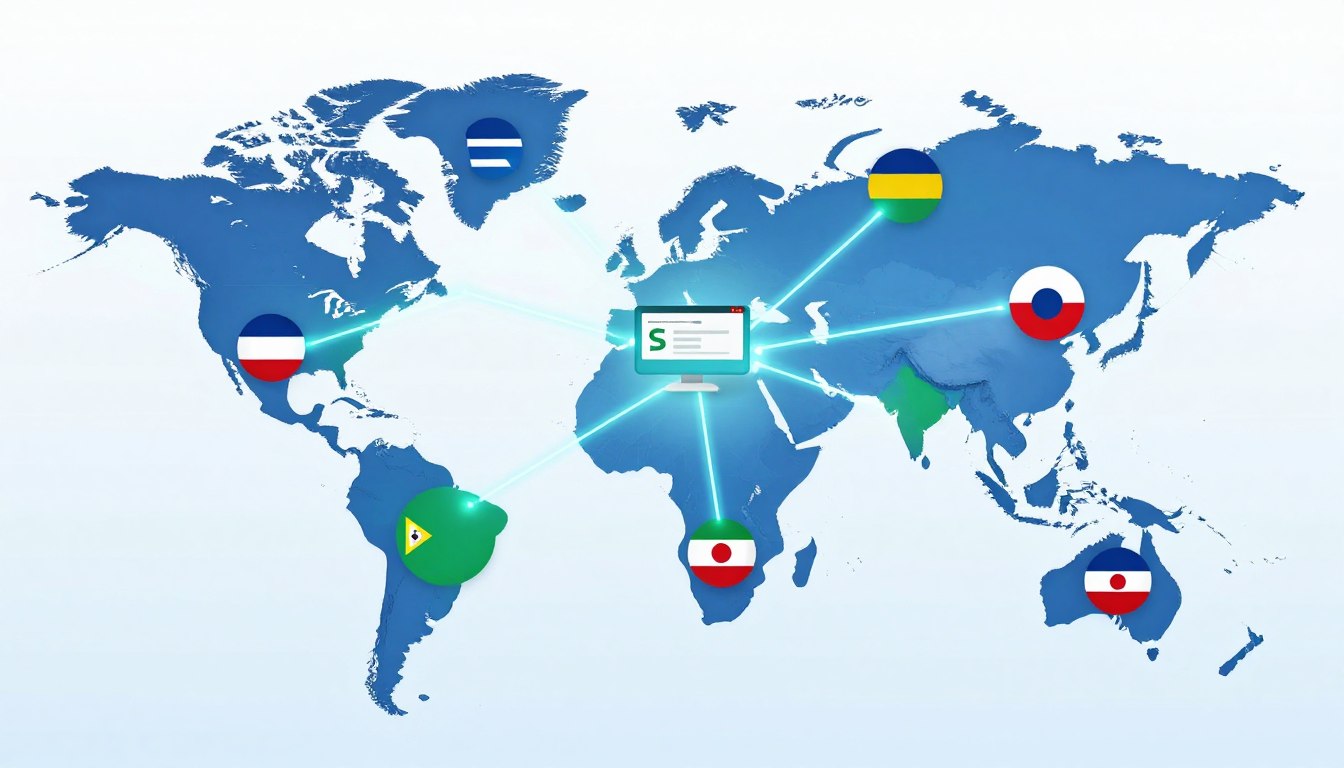
The internet has no borders. Your affiliate revenue shouldn’t either. While competitors focus on English-speaking markets, smart affiliate marketers are capturing untapped audiences across dozens of languages.
This creates a massive opportunity. Most affiliate sites ignore international markets entirely. They miss out on billions of potential customers who search in their native language.
Multilingual Affiliate SEO changes everything. You can reach Spanish speakers in Mexico, German shoppers in Switzerland, and French buyers in Canada. All from one domain. All managed through a single strategy.
The revenue potential is staggering. International markets often have less competition and higher conversion rates. Your content can rank faster in these markets than in saturated English search results.
Table of Contents:
Start Your Multilingual SEO Journey
Download our free Multilingual Affiliate SEO Implementation Checklist. Get step-by-step guidance for launching your first international campaign in 30 days.
Understanding Multilingual SEO for Affiliate Marketing
Multilingual SEO means optimizing your affiliate site for multiple languages. It helps search engines understand which language version to show to which users. This isn’t just translation. It’s strategic market expansion.
Search engines like Google treat each language version as a separate entity. They index content in different languages independently. Your German pages compete in German search results. Your Spanish pages rank in Spanish searches.
The strategy differs from traditional SEO in important ways. You need to consider cultural preferences. Local buying behaviors vary significantly. Payment methods differ across countries.
How Multilingual SEO Works for Affiliate Revenue
When you implement multilingual content correctly, you multiply your traffic sources. Instead of competing only in English markets, you enter dozens of language-specific search landscapes.
Each language version can target different products or services. Spanish speakers might prefer different affiliate offers than German speakers. You adapt your product recommendations to local market preferences.
Search engines reward proper implementation. When you use correct hreflang tags and maintain high-quality content across language versions, rankings improve. Traffic increases. Revenue grows exponentially.
Key Differences Between Monolingual and Multilingual Strategies
Monolingual Approach
- Single language market focus
- One keyword research process
- Unified content strategy
- Limited geographic reach
- Higher competition in established markets
Multilingual Approach
- Multiple market penetration simultaneously
- Separate keyword research for each language
- Localized content strategies per market
- Global reach with local relevance
- Blue ocean opportunities in emerging markets
The technical infrastructure also differs. Multilingual sites require careful URL structure planning. You need robust hreflang implementation. Content management becomes more complex but more rewarding.
Benefits of Targeting Multiple Languages and Markets with One Domain
Using a single domain for all language versions creates powerful advantages. Your SEO authority consolidates in one place. Link equity doesn’t scatter across multiple sites. Search engines recognize your site as a comprehensive international resource.
Domain Authority Consolidation
Every backlink strengthens your entire domain. Links to your German pages boost authority for Spanish pages too. This unified approach builds faster than managing separate country-specific domains.
Search engines trust established domains more than new ones. When you launch a new language version, it benefits from existing domain authority. Rankings come faster than starting from zero with a new site.
Cost Efficiency
One domain means one hosting account. One SSL certificate. One content management system. Technical costs stay manageable even as you scale to dozens of language versions.
Marketing budgets stretch further. You can invest more in quality content and tools like translation services rather than maintaining multiple technical infrastructures.
Management Simplicity
Updates happen in one place. Security patches apply across all languages. Plugin updates affect the entire site simultaneously. This reduces technical overhead significantly.
Analytics consolidate into unified dashboards. You see the complete picture of traffic patterns, conversion rates, and revenue across all markets from one interface.
Revenue Multiplication Potential
Each new language version opens another revenue stream. Products that saturated English markets might be completely fresh in Portuguese or Polish markets. You discover untapped affiliate opportunities.
Seasonal variations differ across countries. While U.S. affiliate revenue dips in summer, European markets might peak. Australian seasons run opposite to Northern Hemisphere patterns. Multiple languages create year-round revenue stability.
- Access emerging markets before competitors enter
- Diversify revenue across economic regions
- Capitalize on local holidays and shopping events
- Test products in multiple markets simultaneously
- Build resilience against algorithm updates in single markets
Competitive Advantages in International Markets
Most affiliate marketers stick to English. This means less competition in other languages. Your content can dominate search results more easily in languages with fewer quality affiliate sites.
Local users trust content in their native language. Conversion rates often exceed English versions because visitors feel more comfortable. They understand nuances better. Trust builds faster.
Real-World Example: An English affiliate site might need 50 backlinks to rank on page one. The same content translated to Norwegian might rank with just 10 backlinks because competition remains minimal in that market.
Key Strategies for Implementing Multilingual Affiliate SEO
Success in multilingual affiliate marketing requires systematic implementation. Random translation won’t work. You need strategic planning across technical, content, and marketing dimensions.
Hreflang Tags Implementation
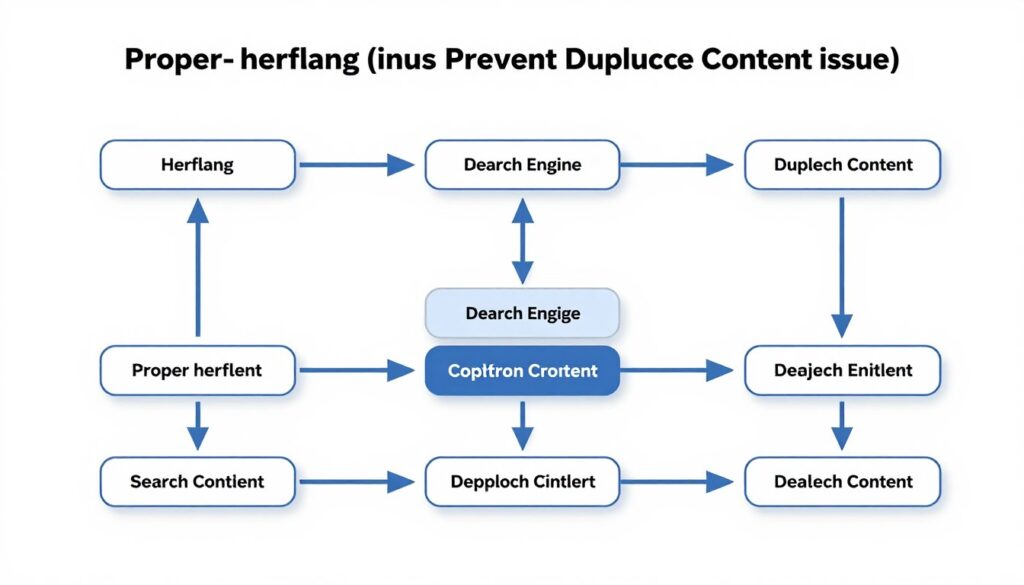
Hreflang tags tell search engines which language version to show users. They prevent duplicate content issues. Proper implementation ensures Spanish speakers see Spanish pages, not English content.
Every page needs hreflang tags. The home page requires them. Product pages need them. Even your about page should include proper language signals to search engines.
Hreflang Tag Structure
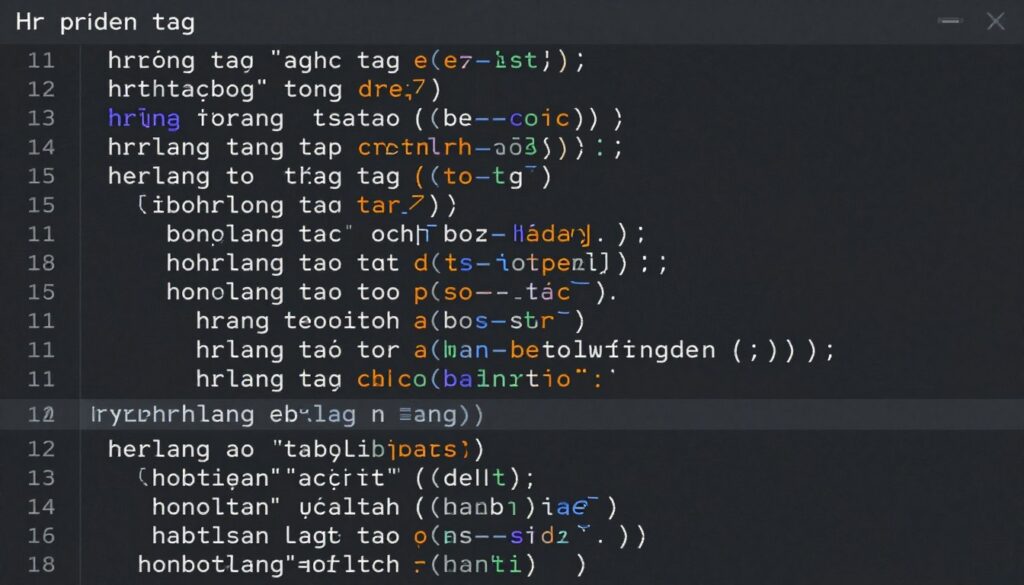
Each hreflang tag includes language code and optional country code. Format: hreflang=”language-COUNTRY”. Example: hreflang=”es-MX” targets Spanish speakers in Mexico specifically.
Always include a self-referencing hreflang tag. The English page should reference itself with hreflang=”en”. This confirms the page language to search engines clearly.
Country-Specific Content Strategy
Different countries need different content approaches. Mexican Spanish differs from Spanish in Spain. Products popular in Germany might flop in Austria despite shared language.
Local keyword research reveals these differences. Search volumes vary. Intent changes across borders. Competition levels differ dramatically even within the same language.
Cultural Adaptation
Colors mean different things across cultures. Red signals luck in China but danger in Western markets. Images need cultural sensitivity.
Holiday promotions must align with local calendars. Black Friday works in the U.S. but Boxing Day matters more in the U.K.
Local Pricing Strategy
Display prices in local currency always. Users abandon carts when they must calculate conversions themselves. Local pricing builds trust immediately.
Price points vary by market. Premium pricing works in wealthy nations. Competitive pricing matters more in price-sensitive markets.
Payment Preferences
Credit cards dominate in some countries. Others prefer bank transfers or local payment systems. Research payment preferences before promoting products.
Affiliate programs supporting local payment methods convert better. Users trust familiar checkout processes more than foreign options.
Local Keyword Research Methodology
Local keyword research forms the foundation of successful multilingual SEO. Direct translation rarely captures actual search behavior. People in different countries search differently even for identical products.
Start with native speaker input. They understand colloquialisms. They know how locals actually search. Their insights prevent embarrassing mistakes and missed opportunities.
- Use region-specific versions of keyword tools
- Analyze search suggestions in target language Google
- Study competitor keywords in each market separately
- Identify local search trends and seasonal patterns
- Consider dialect variations within languages
- Research local product names and brand preferences
Search volume differences surprise many marketers. English keywords with huge volume might translate to terms with minimal searches. Or the opposite happens – niche English terms become mainstream in other languages.
| Market Research Factor | Impact on Strategy | Research Tools |
| Search Volume Variance | Determines content priority and investment level per language | Google Keyword Planner, Ahrefs, SEMrush |
| Competitive Density | Identifies quick-win opportunities in underserved markets | Moz, Ubersuggest, local search analysis |
| Cultural Relevance | Shapes content tone, examples, and product selection | Native speaker consultations, cultural research |
| Local Buying Power | Influences product price points and commission potential | Economic data, purchasing power indices |
Technical Considerations for Multilingual Affiliate Sites
Technical implementation makes or breaks multilingual SEO success. Wrong choices create maintenance nightmares. Right decisions scale smoothly as you add more language versions.
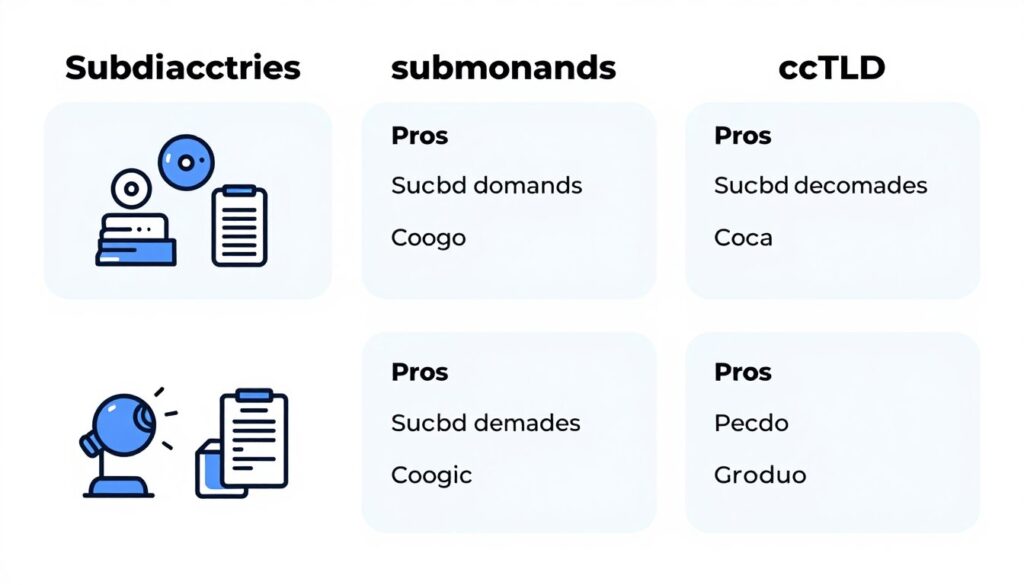
URL Structure Decision: Subdirectories vs. Subdomains vs. ccTLDs
Three main approaches exist for structuring multilingual URLs. Each has specific advantages and drawbacks. Your choice impacts SEO performance, management complexity, and long-term scalability.
- example.com/es/ for Spanish
- example.com/de/ for German
- Consolidates all domain authority
- Simplest to manage technically
- Most cost-effective approach
- Easy to add new languages
- Single hosting account needed
Subdirectories (Recommended)
- es.example.com for Spanish
- de.example.com for German
- Partially separate authority
- More complex DNS management
- Useful for very different content
- May require separate hosting
- Slower authority building
Subdomains (Alternative)
- example.es for Spain
- example.de for Germany
- Completely separate authority
- Highest management complexity
- Strong local trust signals
- Separate hosting often needed
- Most expensive option
ccTLDs (Country Domains)
Subdirectories work best for most affiliate marketers. They keep everything unified. Management stays simple. Domain authority accumulates in one place, boosting all language versions simultaneously.
Hreflang Implementation Best Practices
Proper hreflang implementation requires attention to detail. Small mistakes cause big problems. Search engines might show wrong language versions. Duplicate content issues can arise unexpectedly.
HTML Header Method
Add hreflang tags in the HTML head section of every page. This method works for all site types. It’s visible in source code for easy verification.
Include tags for all language versions on each page. Every page needs complete hreflang annotations. Missing tags confuse search engines about language relationships.
XML Sitemap Method
Alternatively, implement hreflang in XML sitemaps. This works well for large sites. It keeps page code cleaner while providing the same functionality.
Each URL in the sitemap needs xhtml:link elements. These specify alternate language versions. Search engines read sitemaps regularly to discover these relationships.
Technical SEO Requirements for Multiple Languages
Beyond hreflang, several technical elements need language-specific optimization. Meta descriptions must be translated and culturally adapted. Title tags need local keyword research, not just translation.
Schema markup requires language attributes. Structured data helps search engines understand content context. This improves rich snippet display in search results across all language versions.
- Set correct lang attribute in HTML tag for every page
- Use UTF-8 encoding to support all character sets properly
- Implement proper canonical tags for each language version
- Create separate XML sitemaps for each language if using large sites
- Configure server-side language detection carefully to avoid redirect loops
- Ensure robots.txt allows crawling of all language directories
Technical Implementation Made Simple
Explore top tools for multilingual SEO implementation. Compare features, pricing, and ease of use for hreflang management, translation, and technical optimization.
Page Speed Optimization Across Languages
Different languages have different content lengths. German text typically runs longer than English. Chinese characters convey information more compactly. These differences affect page loading speed.
Image optimization matters more in multilingual sites. Each language version might need different images. Cultural preferences vary. File sizes accumulate quickly across multiple language versions.
Essential Tools for Managing Multilingual Affiliate Campaigns
The right tools like translation management systems make multilingual affiliate SEO manageable. Without proper tools, the complexity overwhelms quickly. Smart marketers invest in solutions that automate repetitive tasks.
Translation and Localization Platforms
Professional translation tools maintain consistency across language versions. They store terminology databases. This ensures product names and technical terms translate identically throughout your site.
Weglot
Automated translation with manual editing capability. Handles hreflang tags automatically. Works seamlessly with WordPress and major platforms.
- Automatic hreflang implementation
- Visual editor for refinement
- Supports over 100 languages
- SEO-friendly URL structure
Best For: Affiliate marketers prioritizing speed and ease of implementation over translation perfection.
Pricing: Starts at $15/month for small sites, scales with word count and features.
WPML
WordPress-specific multilingual plugin with deep control. Manual translation focus with optional automatic translation integration. Robust for complex sites.
- Complete control over translations
- Works with WooCommerce perfectly
- Advanced SEO options
- Compatible with most themes
Best For: WordPress affiliate sites needing maximum control and customization across different language versions.
Pricing: Starts at $39/year for personal sites, scales to $195/year for unlimited sites.
TranslatePress
Visual translation directly on the page. See changes in real-time as you translate. Intuitive interface reduces learning curve significantly.
- Live frontend translation editor
- Automatic translation with Google or DeepL
- SEO pack for proper implementation
- Works with any WordPress theme
Best For: Marketers who want visual control and fast implementation without technical complexity.
Pricing: Free basic version available, premium starts at $89/year for single site.
Keyword Research Tools for International Markets
Standard keyword tools often miss nuances in international markets. Search volumes vary between tool providers. Local keyword research requires region-specific data sources.
Combining multiple tools provides comprehensive coverage. Cross-reference data between platforms. This reveals opportunities one tool might miss while another highlights them.
Ahrefs International Features
Ahrefs offers country-specific databases for over 170 countries. You can analyze keyword difficulty by country. Search volume data shows regional differences clearly.
Their content explorer reveals what content performs well in specific languages. You discover gaps in existing content. This shows opportunities for your multilingual content strategy.
Key Advantage: Deep backlink analysis across international domains helps identify link building opportunities in each target market.
SEMrush Global Database
SEMrush provides keyword data for different countries and languages. Their position tracking works across regions. You monitor rankings separately for each language version.
The tool reveals what competitors rank for in each market. You identify their strengths and weaknesses per country. This intelligence shapes your content strategy effectively.
Key Advantage: Market explorer tool shows untapped niches and trending topics specific to each target region.
Analytics and Tracking Solutions
Tracking performance across multiple languages requires proper analytics setup. You need to see which language versions drive revenue. Understanding traffic sources per market guides optimization priorities.
Google Analytics 4 handles multilingual tracking well. Set up custom dimensions for language. Create separate views or data streams for each market. This isolates performance data clearly.
Affiliate tracking becomes complex with multiple languages. Commission tracking needs language attribution. Some networks provide country-specific reporting. Others require manual segmentation through your tracking system.
Content Localization Best Practices for Affiliate Sites
Localization goes far beyond translation. It adapts content to resonate with local audiences. Cultural references need replacement. Examples must make sense in target markets.
Beyond Translation: True Localization
Machine translation provides a starting point only. It misses cultural context entirely. Idioms translate literally, creating confusion. Professional localization fixes these issues systematically.
Native speakers catch nuances machines miss. They adapt humor appropriately. Cultural sensitivity matters tremendously. What seems harmless in one culture might offend in another.
Example: A direct translation might say “hit a home run” in Spanish content targeting readers unfamiliar with baseball. Proper localization would use “marcar un gol” (score a goal) for Spanish speakers who follow soccer instead.
Product Descriptions and Reviews Adaptation
Product availability varies by country. An item popular in the U.S. might be unavailable elsewhere. Your affiliate content must reflect local product access accurately.
Product names often differ internationally. Brands rename products for different markets. Features vary by region too. Voltage differences matter for electronics. Sizes use different measurement systems.
- Verify product availability in target country before promoting
- Check if affiliate program ships to that region
- Adapt technical specifications to local standards
- Use country-appropriate measurement units
- Include local pricing and currency
- Highlight features relevant to that market
Local Pricing and Currency Considerations
Local pricing matters more than simple currency conversion. Prices often differ by market beyond exchange rates. VAT or sales tax varies. Shipping costs change based on location.
Display prices in local currency always. Users trust local currency more. They understand value immediately. Conversion calculators add friction. Eliminate unnecessary steps toward purchase.
| Localization Element | Why It Matters | Implementation Priority |
| Currency Display | Users abandon carts when prices appear in foreign currency | Critical |
| Date Formats | MM/DD/YYYY confuses European users expecting DD/MM/YYYY | High |
| Phone Number Formats | Local formatting builds trust and credibility | Medium |
| Address Fields | Address structures vary internationally, affecting form usability | High |
| Measurement Units | Metric vs. imperial systems affect product understanding | High |
Visual Content and Image Localization
Images communicate instantly but cultural appropriateness varies. Stock photos showing Western models might not resonate in Asian markets. Gestures acceptable in one culture offend in others.
Text within images needs translation too. Infographics require complete recreation in each language. Screenshots showing English interfaces should show localized versions when possible.
What to Localize Visually
- Product photography showing regional versions
- Interface screenshots in target language
- Infographics with translated text
- Cultural symbols and color schemes
- People in images matching target demographics
Universal Visual Elements
- Abstract concepts and illustrations
- Technical diagrams without text
- Product features in use (when culturally neutral)
- Charts and graphs (with translated labels)
- Logos and brand marks
Link Building Strategies for International Affiliate SEO
International link building requires different tactics than domestic strategies. Links from local domains carry more weight for rankings in those markets. German pages benefit most from German domain links.
Building Country-Specific Backlinks
Search engines consider link origin when ranking pages. A Spanish page with links from Spanish websites ranks better in Spanish search results. Geographic relevance matters significantly.
Finding link opportunities differs by market. Outreach approaches vary culturally. What works for English outreach might fail in Japanese markets. Research local linking practices thoroughly.
Local Directory Listings
Each country has popular directories. Submit your site to regional directories. These provide valuable local links and referral traffic.
Business directories matter especially. Even affiliate sites benefit from relevant directory presence. Choose directories specific to your niche in each market.
Regional Guest Posting
Pitch guest posts to blogs in target languages. Native content attracts local links naturally. Build relationships with publishers in each market.
Quality standards vary by region. Some markets have stricter editorial guidelines. Others accept contributed content more freely. Adapt your approach accordingly.
Local Influencer Outreach
Partner with influencers in each target market. They provide authentic endorsements. Their audiences trust recommendations more than advertising.
Influencer collaboration styles differ culturally. Payment expectations vary. Relationship-building timelines change by region. Research local influencer norms carefully.
Content Marketing for International Link Attraction
Create linkable assets tailored to each market. Industry statistics interest local journalists. Original research attracts links naturally when it addresses local questions.
Different content types perform better in different cultures. Germans appreciate detailed technical analysis. Americans prefer actionable quick tips. Adapt content depth to cultural preferences.
- Conduct market-specific surveys and publish results
- Create region-focused industry reports and whitepapers
- Develop tools or calculators useful for local markets
- Produce case studies featuring local brands or examples
- Design infographics addressing country-specific trends
- Write comprehensive guides solving local problems
Leveraging International Social Signals
Social media platforms dominate differently by region. Facebook rules in some countries while others prefer local platforms. WeChat dominates China. VK leads in Russia.
Build presence on platforms popular in target markets. Share content in appropriate languages. Engage with local communities authentically. Social signals support SEO efforts indirectly.
Streamline Your International Link Building
Discover powerful outreach tools designed for multilingual campaigns. Automate prospecting, translation, and follow-up across multiple markets simultaneously.
Common Challenges and How to Overcome Them
Multilingual affiliate SEO presents unique obstacles. Understanding these challenges upfront prevents costly mistakes. Each problem has proven solutions when addressed systematically.
Managing Content Updates Across Language Versions
Keeping content synchronized across languages creates constant work. You update the English version then must update all translations. Delays create inconsistencies between language versions.
Implement a content versioning system. Track which pages need translation updates. Prioritize high-traffic language versions first. Some markets matter more than others for revenue.
Critical Issue: Outdated Product Information
Affiliate links change. Products get discontinued. Prices update. When English pages reflect current information but German pages remain outdated, user trust erodes and conversions drop significantly.
Duplicate Content Concerns
Search engines must distinguish between legitimate translations and duplicate content. Improper implementation causes ranking problems. Your German pages might compete against English pages incorrectly.
Proper hreflang implementation solves this completely. Each language version signals its relationship to others. Search engines understand the structure. They show appropriate versions to users.
Prevention Strategies
- Implement hreflang tags on every page
- Use consistent URL structure patterns
- Set canonical tags to self-reference
- Avoid automatic redirects based on IP
- Keep substantial content differences between versions
- Submit language-specific sitemaps
Common Mistakes to Avoid
- Forgetting hreflang on newly created pages
- Using machine translation without editing
- Implementing conflicting canonical signals
- Blocking language directories in robots.txt
- Creating thin translated content
- Missing return hreflang links
Finding Quality Translators and Native Reviewers
Translation quality directly impacts conversions. Poor translations lose sales. Finding reliable native speakers proves challenging. Costs escalate quickly across multiple languages.
Start with hybrid approaches. Use machine translation for initial drafts. Hire native speakers to edit and refine. This balances speed and quality while controlling costs.
Translation Resource Options
Freelance Platforms: Upwork and Fiverr connect you with translators. Verify their expertise through tests. Start with small projects before committing.
Specialized Services: Gengo and Rev offer vetted translators. Quality control processes ensure consistency. Pricing remains predictable per word.
Local Agencies: In-country agencies understand cultural nuances best. Higher costs but superior localization. Worth it for primary markets.
Quality Assurance Process
Native Review: Always have content reviewed by native speakers from target country. Regional dialects matter significantly.
Testing: Monitor user behavior metrics. High bounce rates signal translation problems. Low conversion rates indicate cultural mismatches.
Feedback Loops: Create systems for user feedback on translations. Native visitors catch mistakes you miss.
Technical Implementation Complexity
Multilingual technical setup overwhelms many marketers. Hreflang syntax looks complicated. URL structure decisions feel permanent. Mistakes seem expensive to fix.
Break implementation into phases. Start with one or two additional languages. Master the technical elements before scaling. Success with initial languages builds confidence.
- Use plugins or platforms that handle hreflang automatically
- Test implementation thoroughly before launching new languages
- Monitor Google Search Console for hreflang errors
- Document your implementation process for consistency
- Start with closely related languages to simplify learning
- Invest in proper development resources upfront
Measuring Success in Multilingual Affiliate SEO
Tracking performance across language versions requires strategic metric selection. Not all metrics matter equally. Focus on measurements that directly indicate revenue potential and growth.
Essential Metrics to Track by Language
Each language version needs separate performance monitoring. Rankings vary by market. Traffic patterns differ culturally. Conversion rates fluctuate based on local economic conditions.
Set up segmented reporting from the start. Isolate metrics by language clearly. This reveals which markets perform best. You identify where to invest optimization efforts.
| Metric Category | Key Performance Indicators | Why It Matters | Target Benchmark |
| Traffic Volume | Organic sessions per language version | Indicates ranking success and market interest | 20% growth month-over-month initially |
| Search Rankings | Average position by target keyword and country | Shows SEO effectiveness per market | Top 10 positions within 6 months |
| User Engagement | Bounce rate, time on page, pages per session | Reveals content quality and relevance | Bounce rate below 60% |
| Conversion Rate | Affiliate click-through rate by language | Directly correlates to revenue potential | 2-5% for quality traffic |
| Revenue Attribution | Affiliate commissions per language version | Ultimate measure of market viability | ROI positive within 12 months |
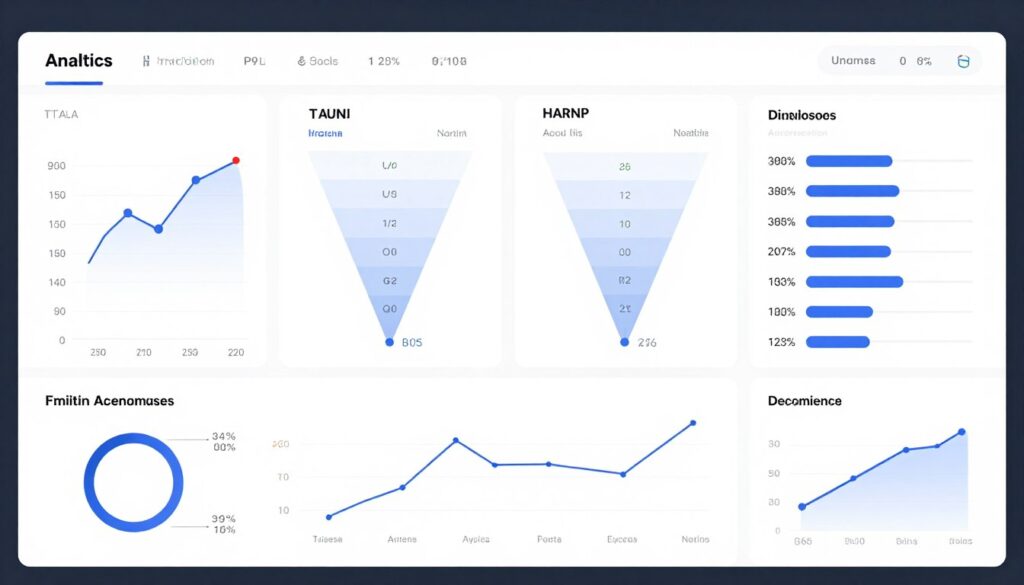
Analytics Setup for Multi-Language Tracking
Google Analytics 4 provides robust multilingual tracking capabilities. Configure custom dimensions for language detection. Create separate exploration reports for each market.
Tag management simplifies tracking across language versions. Implement consistent event tracking. Affiliate link clicks need proper attribution regardless of language. Revenue tracking must connect sales to originating language pages.
Google Analytics 4 Configuration
- Create custom dimension for page language
- Set up separate conversions for each market
- Build language-specific exploration reports
- Configure proper cross-domain tracking
- Tag affiliate links with language parameters
- Set up goal funnels per language
Additional Tracking Considerations
- Implement heatmaps for user behavior insights
- Use session recordings to identify UX issues
- Track form submissions by language
- Monitor site search queries per market
- Set up custom alerts for anomalies
- Create automated weekly performance reports
ROI Calculation Across Different Markets
Return on investment varies dramatically between markets. Translation costs differ by language. Some markets require more content to rank. Economic conditions affect commission rates.
Calculate ROI separately for each language version. Include all costs – translation, localization, link building, maintenance. Compare revenue against language-specific expenses.
ROI Formula for Language Versions
ROI = (Affiliate Revenue from Language – Total Language Costs) ÷ Total Language Costs × 100
Track this monthly for each language. Some languages become profitable quickly. Others require longer investment periods. Use data to guide expansion decisions.
A/B Testing Across Language Versions
Test assumptions about what works in each market. User preferences vary culturally. Landing page layouts that convert in English might fail in Japanese.
Run language-specific A/B tests. Test call-to-action copy variations. Try different page layouts. Experiment with product presentation styles. What succeeds in one language might not translate to others.
- Test button colors and positioning by culture
- Experiment with content length preferences per market
- Try different product comparison formats
- Test social proof elements effectiveness
- Optimize form lengths for each culture
- Test trust signals that resonate locally
Advanced Multilingual Affiliate SEO Strategies
Once basic multilingual SEO works smoothly, advanced strategies multiply results. These tactics separate top earners from average performers in international affiliate marketing.
Leveraging Language Variants and Dialects
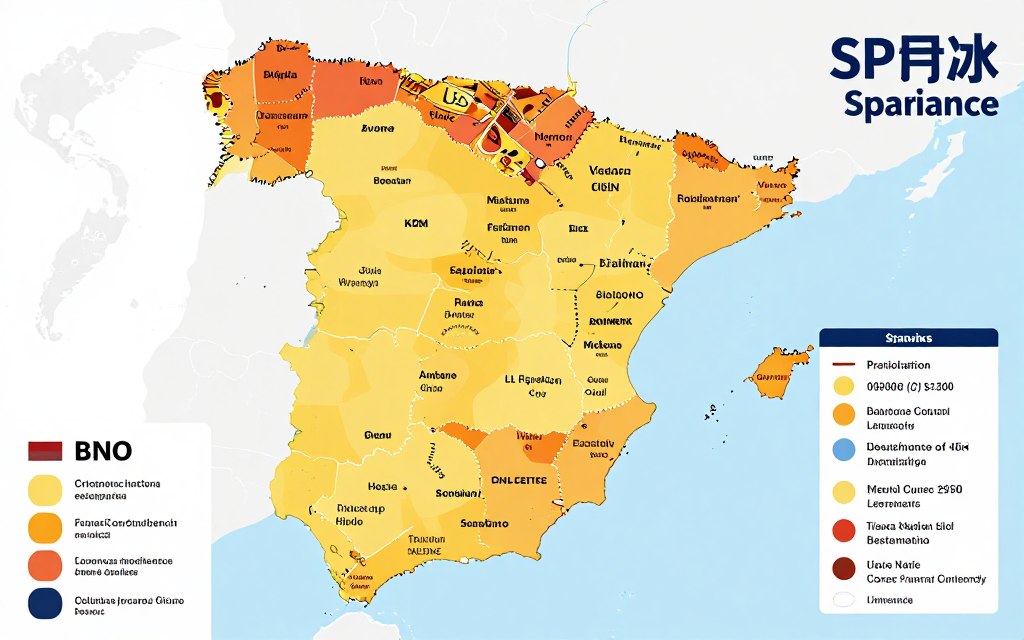
Spanish isn’t just Spanish. Mexican Spanish differs from Spanish in Spain. Portuguese varies between Brazil and Portugal. These differences create additional opportunities.
Create region-specific content within language groups. Target Mexican Spanish speakers separately from Spanish markets. The extra effort captures nuanced search behavior and cultural preferences.
Seasonal Optimization for Global Markets
Seasons reverse between hemispheres. Christmas shopping peaks in December globally but summer products sell differently. When North America experiences winter, Australia enjoys summer.
Plan content calendars accounting for regional seasons. Promote relevant products at appropriate times per market. This maximizes conversion rates across all language versions simultaneously.
Holiday Variations
Major shopping holidays vary by country. Black Friday expanded globally but regional holidays matter more locally. Singles’ Day dominates in China. Diwali drives Indian commerce.
Research local shopping events. Create targeted content for these occasions. Prepare promotional campaigns aligned with regional retail calendars.
Weather-Based Timing
Product relevance shifts with weather patterns. Winter gear sells in June for Southern Hemisphere. Air conditioner promotions peak at different times globally.
Adjust product recommendations by hemisphere. Update featured items based on local seasons. This relevance increases click-through rates significantly.
Cultural Event Marketing
Local festivals drive purchasing behavior. Back-to-school timing varies internationally. Wedding seasons differ by culture and climate.
Align affiliate promotions with cultural calendars. Content addressing local events ranks better and converts higher than generic seasonal content.
Voice Search Optimization in Multiple Languages
Voice search adoption rates vary by market. Some countries embrace voice assistants faster. Query structures differ when people speak versus type searches.
Conversational content performs better for voice searches. People speak in complete questions. They use natural language patterns. Optimize content to match spoken query structures in each target language.
Leveraging International Social Commerce
Social media platforms integrate shopping features differently worldwide. Instagram Shopping dominates in some markets. WeChat commerce leads in China. Platform preferences require localized strategies.
Build social presence on platforms popular in target markets. Share affiliate content through appropriate social channels. Adapt content formats to platform preferences in each region.
Real-World Success Stories and Implementation Examples
Learning from successful multilingual implementations shortens your learning curve. These examples demonstrate proven approaches across different niches and market combinations.
Technology Affiliate Site Expansion
A tech review site earning steady revenue from English content decided to expand. They selected German and French as first additional languages based on market research showing strong purchasing power.
Implementation took three months. They hired native translators for existing top-performing content. Technical setup used subdirectories. Professional translation cost approximately three thousand dollars initially.
“Within six months, our German pages generated thirty percent of total revenue despite being only twenty percent of content. The lower competition in German tech affiliate space meant faster rankings and higher conversion rates.”
Key success factors included thorough local keyword research. They discovered German speakers searched differently for identical products. Content adapted to local concerns about data privacy and European regulations.
Fashion Affiliate Global Strategy
A fashion affiliate started with English and Spanish. They expanded to five languages within eighteen months. Portuguese, Italian, and French followed based on traffic analysis showing organic international visitors.
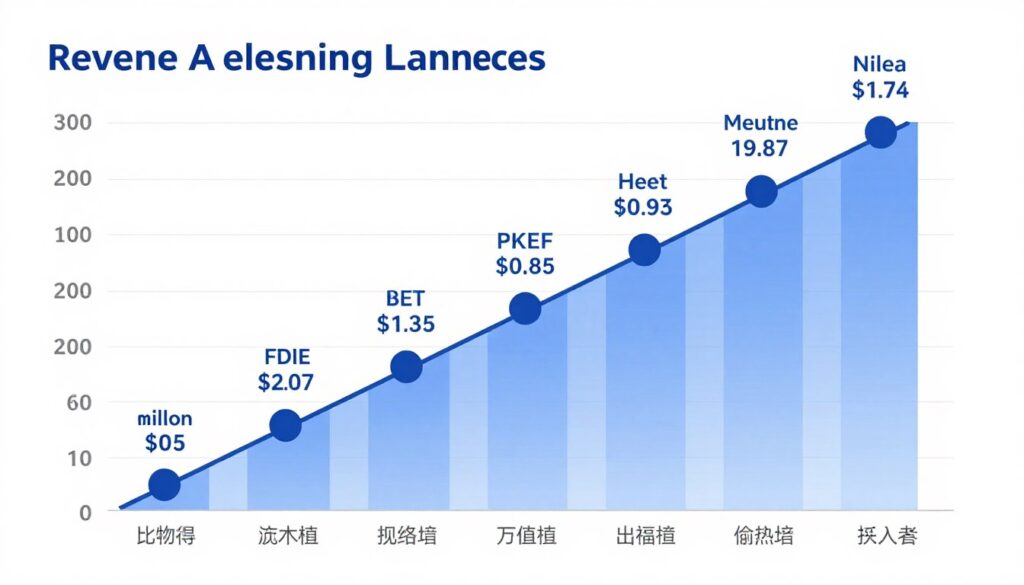
Their approach prioritized visual content. Fashion translates more universally through images. They invested heavily in localized photography showing regional style preferences. Text remained minimal but culturally adapted.
Results exceeded projections. Italian version generated highest margins despite smaller traffic. Luxury fashion purchases from Italian visitors commanded premium affiliate commissions. This demonstrated importance of market selection beyond traffic volume.
Software Review Site Case Study
A B2B software review affiliate started multilingual expansion targeting European markets. They chose subdirectory structure for maximum domain authority consolidation.
| Implementation Phase | Timeline | Key Activities | Results |
| Research & Planning | Month 1-2 | Market analysis, keyword research, translator hiring | Identified top 3 target languages |
| Technical Setup | Month 2-3 | Subdirectory structure, hreflang implementation, testing | Zero technical SEO errors |
| Content Translation | Month 3-5 | Top 50 pages translated, localized for each market | 300% increase in indexable pages |
| Link Building | Month 4-8 | Local outreach, directory submissions, guest posts | 150 quality backlinks per language |
| Optimization & Scaling | Month 6-12 | Performance monitoring, content expansion, A/B testing | 250% revenue increase year-over-year |
Their systematic approach paid dividends. German market responded fastest. French required longer to gain traction but ultimately generated higher average order values. Each market taught lessons applicable to subsequent language launches.
Your Multilingual Affiliate SEO Implementation Roadmap
Starting multilingual affiliate SEO feels overwhelming without a clear plan. This roadmap breaks the process into manageable phases. Follow these steps for systematic expansion into international markets.
Phase 1: Foundation and Research
Begin with thorough market research. Not all languages offer equal opportunity. Analyze where your current traffic originates. Look at organic visitors from different countries.
Market Selection Criteria
- Identify countries sending organic traffic currently
- Research market size and purchasing power
- Evaluate competition level in target language
- Verify affiliate program availability
- Assess cultural fit with your products
- Consider translation costs and resources
Start with one or two languages maximum. Master the process before scaling. Choose languages with clear opportunity based on data.
Romance languages work well as first expansion. Spanish, French, Portuguese share similarities. German offers strong purchasing power. Scandinavian languages have wealthy audiences but smaller markets.
Consider language difficulty honestly. Some require specialized character sets. Right-to-left languages like Arabic present unique challenges. Start simpler, expand to complex languages later.
Phase 2: Technical Infrastructure Setup
Choose URL structure carefully. Subdirectories offer the best balance for most affiliate sites. They consolidate authority while remaining technically manageable.
- Implement subdirectory structure for language versions
- Configure proper hreflang tags across all pages
- Set up language-specific XML sitemaps
- Establish redirect rules for language detection
- Configure analytics tracking by language
- Test technical implementation thoroughly
Use plugins or platforms that automate technical elements. Manual hreflang implementation risks errors. Automated solutions maintain consistency as your site grows.
Phase 3: Content Translation and Localization
Start by translating your highest-performing content. Focus on pages generating most revenue. These pages prove their value already. Translations multiply their impact.
Prioritize product review pages and comparison articles. These drive affiliate conversions. Informational content can wait initially. Revenue-generating pages deserve immediate translation.
Translation Approach
Use hybrid method combining machine translation with human editing. AI handles initial translation. Native speakers refine for cultural appropriateness.
- Machine translate for speed
- Native editing for quality
- Cultural adaptation included
- Technical terminology verified
Quality Control Process
Implement systematic quality checks. Test translations with native speakers. Monitor user engagement metrics for translation quality signals.
- Native speaker review mandatory
- A/B test different translations
- Monitor bounce rates by language
- Collect user feedback actively
Localization Checklist
Beyond translation, adapt content elements to local preferences. Currency, measurements, examples, and cultural references need localization.
- Convert currency and prices
- Adapt measurement units
- Replace cultural examples
- Localize date formats
Phase 4: Market-Specific Optimization
Conduct fresh keyword research for each language. Never assume direct translation captures actual search behavior. People search differently across languages even for identical products.
Build links from local domains. Reach out to websites in target language. Guest posting in local language establishes authority. Directory submissions in local markets provide foundational links.
Phase 5: Monitoring and Scaling
Track performance metrics separately for each language. Identify successful patterns. Double down on what works. Adjust strategies for underperforming markets.
Once first languages show positive ROI, expand systematically. Add languages based on opportunity and resources. Scale proven processes to new markets efficiently.
Future Trends in Multilingual Affiliate Marketing
Multilingual affiliate SEO evolves constantly. Staying ahead of trends creates competitive advantages. These emerging developments will shape international affiliate marketing strategies.
AI-Powered Translation and Localization
Artificial intelligence transforms translation quality rapidly. Neural machine translation improves monthly. The gap between machine and human translation narrows constantly.
Future translation will handle cultural context better. AI will adapt idioms automatically. Regional dialect variations will process seamlessly. This reduces localization costs while improving quality.

Voice Search Across Languages
Voice search adoption accelerates globally. Smart speakers penetrate international markets. Voice query optimization becomes essential across languages.
Conversational content will dominate SEO strategies. Natural language processing understands spoken queries better. Affiliate content must adapt to conversational search patterns in multiple languages.
Visual Search and International Commerce
Visual search grows rapidly. Users snap photos to find products. This trend spans all markets. Image recognition works across language barriers naturally.
Affiliate marketers must optimize product images for visual search engines. Alt text in multiple languages gains importance. Image metadata helps products surface in visual searches globally.
Emerging Opportunity
Early adopters of multilingual visual search optimization will capture market share before competition intensifies. Pinterest Lens, Google Lens, and platform-specific visual search tools require strategic optimization now.
Need Expert Guidance for Your Multilingual Expansion?
Implementing multilingual affiliate SEO successfully requires expertise across multiple disciplines. Technical SEO knowledge combines with cultural understanding and affiliate marketing strategy.
Many marketers benefit from expert consultation during initial setup. Mistakes prove expensive. Professional guidance prevents costly errors while accelerating time to profitability.
Free Multilingual SEO Strategy Consultation
Schedule a complimentary 30-minute consultation with our multilingual SEO specialists. We’ll analyze your current site, identify ideal target markets, and create a customized expansion roadmap.
Taking Your First Steps Toward Global Affiliate Revenue
Multilingual Affiliate SEO opens extraordinary revenue opportunities. While English markets saturate, countless international markets remain underserved. Spanish speakers, German buyers, and French consumers search for products daily.
The technical barriers seem high initially. Hreflang tags appear complex. Translation costs feel daunting. These challenges shrink with systematic implementation.
Start small but start today. Choose one additional language. Translate your top ten performing pages. Implement proper technical structure. Monitor results closely.
Success compounds quickly. First language versions teach lessons applicable to subsequent expansions. Technical infrastructure built once serves unlimited languages. Translation workflows established initially scale efficiently.
Your competitors remain focused on English markets mostly. This creates your advantage. First movers in multilingual affiliate niches capture market share before competition arrives.

The opportunity window won’t remain open forever. More marketers discover international potential daily. Markets that seem untouched today will attract competition tomorrow.
Every month you delay represents lost revenue. Each season that passes misses market opportunities. International customers search for products right now. They need recommendations, reviews, and guidance in their language.
Implementation doesn’t require perfection. Launch with good enough translations. Improve iteratively based on performance data. Action beats endless planning every time.
Remember that search engines reward early movers. Domain authority builds over time. Links accumulate gradually. Content freshness matters. Starting today gives you advantages tomorrow’s competitors can’t easily overcome.
Your Next Actions
- Analyze your current traffic sources by country
- Research keyword opportunities in target languages
- Choose appropriate URL structure for your site
- Select translation approach that fits your budget
- Implement technical infrastructure correctly
- Translate and publish your first language version
- Build initial links from local domains
- Monitor performance and optimize continuously
Success Principles
- Start with data-driven language selection
- Invest in quality localization, not just translation
- Master technical implementation thoroughly
- Build local authority through regional links
- Test and optimize based on performance
- Scale systematically to additional languages
- Maintain consistency across all versions
- Focus on revenue, not just traffic volume
Multilingual affiliate marketing represents one of the last remaining blue ocean opportunities in digital marketing. Competition remains manageable. Barriers to entry are surmountable. Revenue potential justifies the investment overwhelmingly.
The marketers who act now position themselves for extraordinary growth. Those who wait will fight for scraps in saturated markets. Your choice determines your competitive position for years ahead.
Take the first step today. Download implementation resources. Schedule expert consultation. Begin market research immediately. Every action moves you closer to global affiliate revenue streams.
Start Your Multilingual Affiliate Journey Now
Get our complete Multilingual Affiliate SEO Starter Kit. Includes technical implementation checklist, translation vendor comparison, keyword research templates, and launch timeline – everything you need to expand internationally.
The future of affiliate marketing is multilingual. The future of your revenue is international. Start building that future today.